Managing finances is crucial for any small business, and a Payment Slip Template For Record Keeping can simplify this task. This template not only allows for the easy documentation of payments but also helps ensure that all transactions are tracked accurately. By using a structured format, business owners can maintain clear records that are essential for audits and financial reviews.
Understanding the Importance of Payment Slips
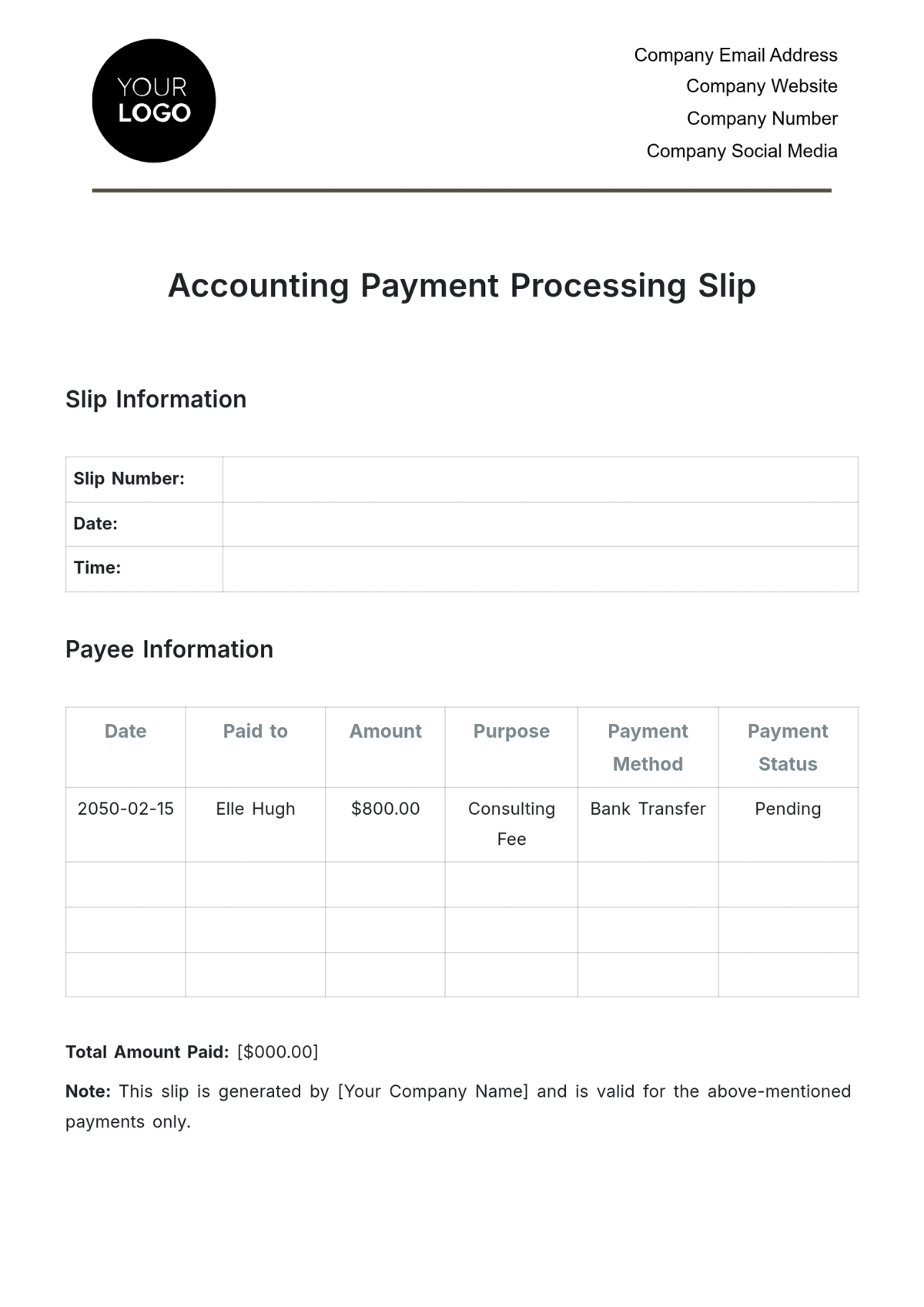
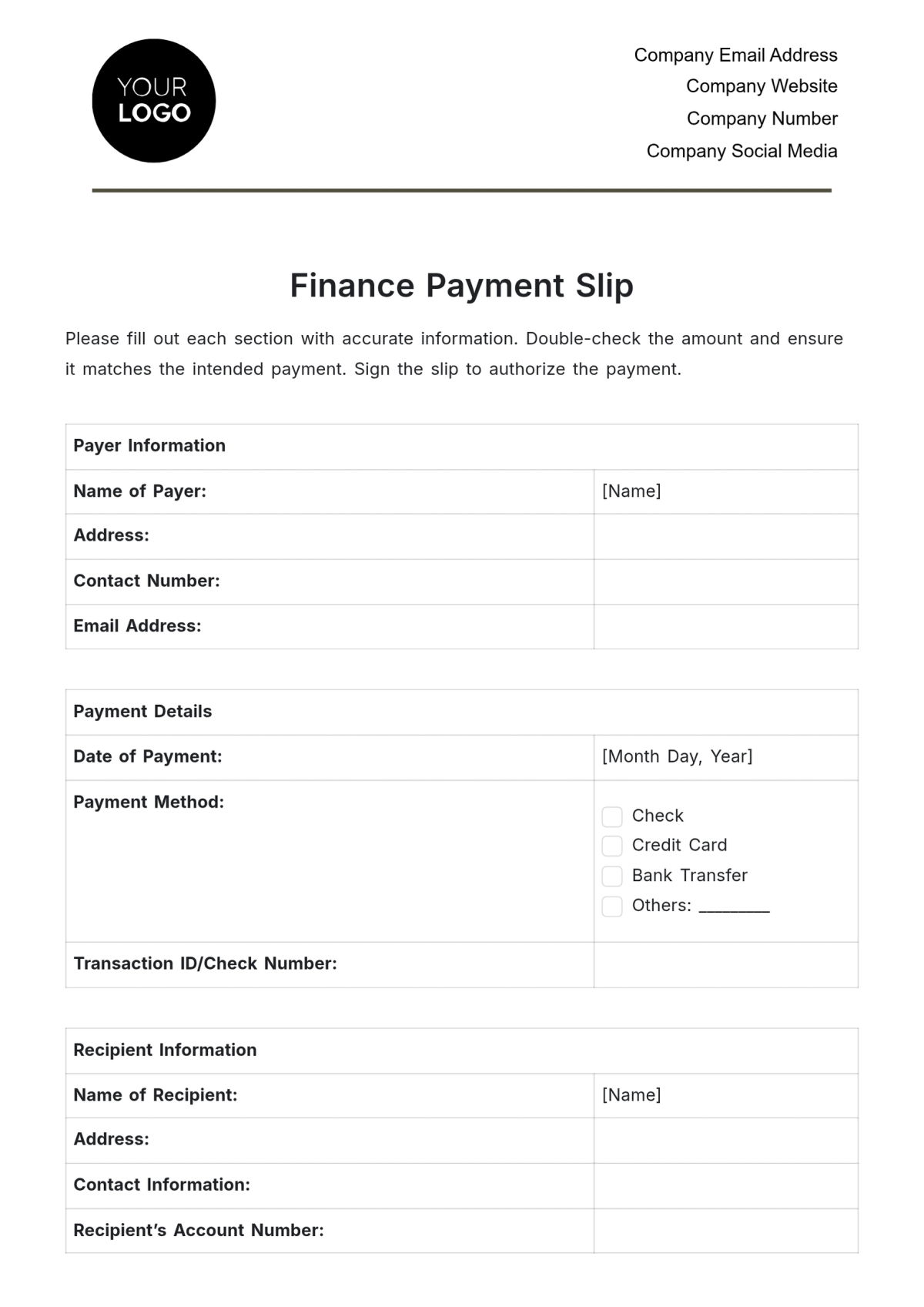
Payment slips serve as written confirmation of transactions between a business and its clients or suppliers. They provide a formal record that can be referred back to in case of disputes or discrepancies. For small business owners, utilizing a payment slip template is an excellent way to ensure that every payment is documented properly. It fosters accountability and helps maintain trust between parties involved in the transaction.
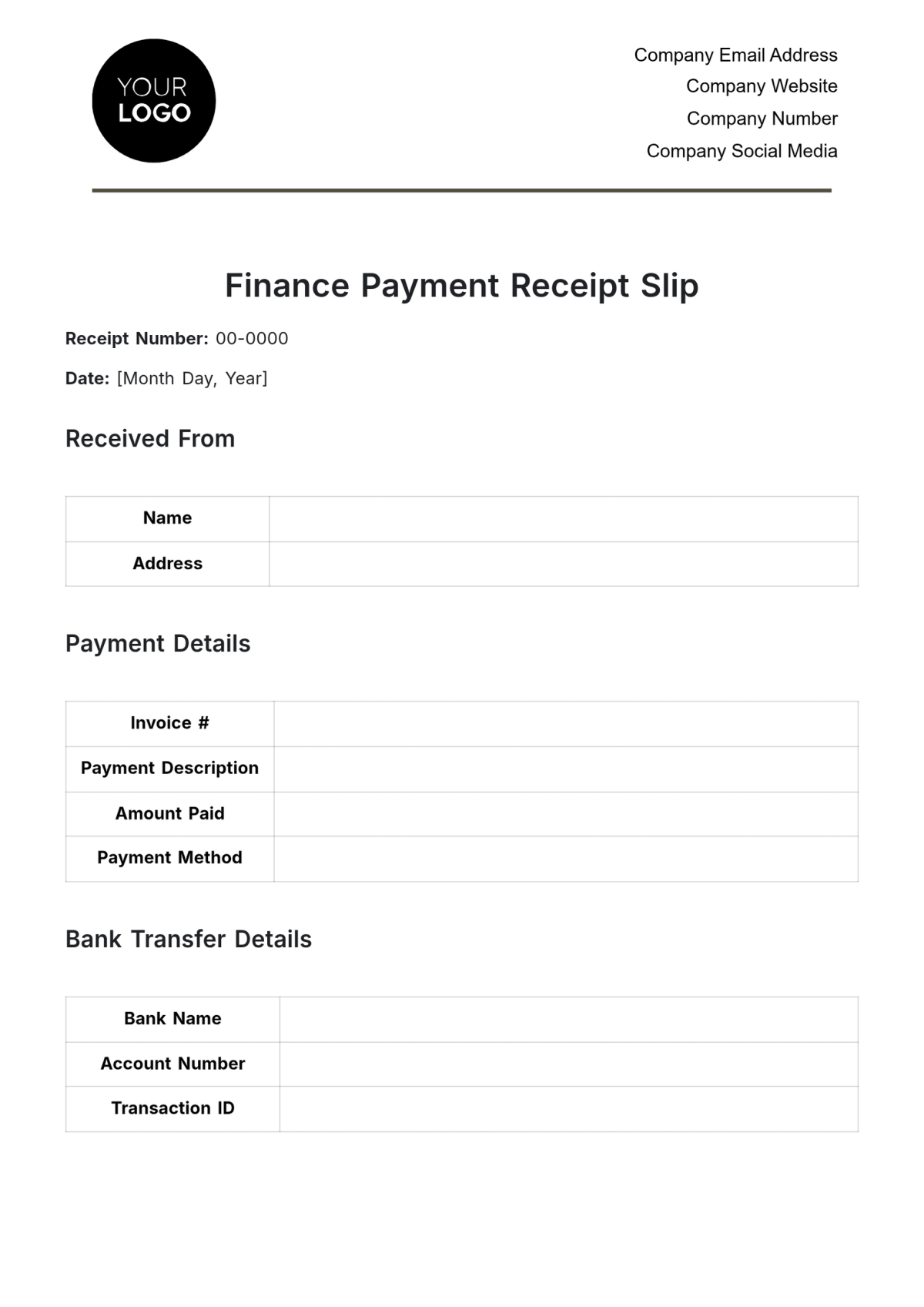
When you use a payment slip, it typically includes key information such as:
- Date of payment
- Amount paid
- Payment method (cash, check, credit card, etc.)
- Description of the service or product
- Signature of the person receiving the payment
This information is invaluable for maintaining accurate financial records and can be easily organized for tax purposes.
Customizing Your Payment Slip Template
One of the major benefits of a payment slip template is its flexibility. Most templates can be customized to fit the specific needs of your business. Here’s how to make it work for you:
- Branding: Add your business logo and contact information to create a professional appearance.
- Payment Details: Modify the template to include specific payment methods relevant to your business, such as mobile payment options or payment links.
- Field Adjustments: Change or add fields based on your business’s unique requirements. For example, if you offer multiple services, you might want to include a detailed breakdown of the services rendered on the slip.
When customizing, keep in mind that clarity is key. The easier it is for your clients to understand the information, the better.
Downloading and Printing the Template
Once the template is tailored to your specifications, the next step is downloading and printing it. Here are some practical tips to consider:
- File Format: Look for templates available in PDF format to avoid any formatting issues that can occur with word processing files. PDFs are universally compatible and maintain their layout across different devices.
- Paper Size: Standard paper size (8.5 x 11 inches) is typically best for printing. This ensures that the slip fits neatly in standard envelopes and is easy to file away.
- Printer Settings: For optimal results, use a laser printer if available. Laser printers generally produce sharper text and are less likely to smudge compared to inkjet printers.
- Cardstock vs. Regular Paper: If the payment slips will be handed out frequently or if you want them to have a professional feel, consider printing on cardstock. It is sturdier and stands up better to handling.
Integrating Payment Slips Into Your Financial System
A payment slip template is not just a standalone tool; it should fit seamlessly into your broader financial management system. Here’s how to integrate it effectively:
- Record Keeping: Create a dedicated file or digital folder for payment slips. Organize them by month or client to make it easier to reference past transactions.
- Accounting Software: If using accounting software, consider entering the details from each payment slip into the system regularly. This practice helps maintain up-to-date records and simplifies tax preparation.
- Review and Audit: Periodically review all payment slips to ensure that they match your business’s financial reports. This step helps catch any discrepancies early and keeps your records accurate.
By incorporating the payment slip template into your daily operations, you can streamline your financial processes significantly.
Immediate Action Steps
To get started, download a payment slip template that fits your business needs today. Customize it with your branding and specific details. Then, set up a system for filing and referencing these slips regularly. Taking these steps can help ensure that your record keeping is not only efficient but also reliable.