Managing your finances can feel overwhelming, but having a Printable Free Payment Slip For Accounting Records can simplify the process significantly. This resource helps you keep track of payments, whether for personal use or small business transactions. You’ll find that using a structured payment slip can help maintain clarity and organization in your accounting records.
Understanding the Purpose of a Payment Slip
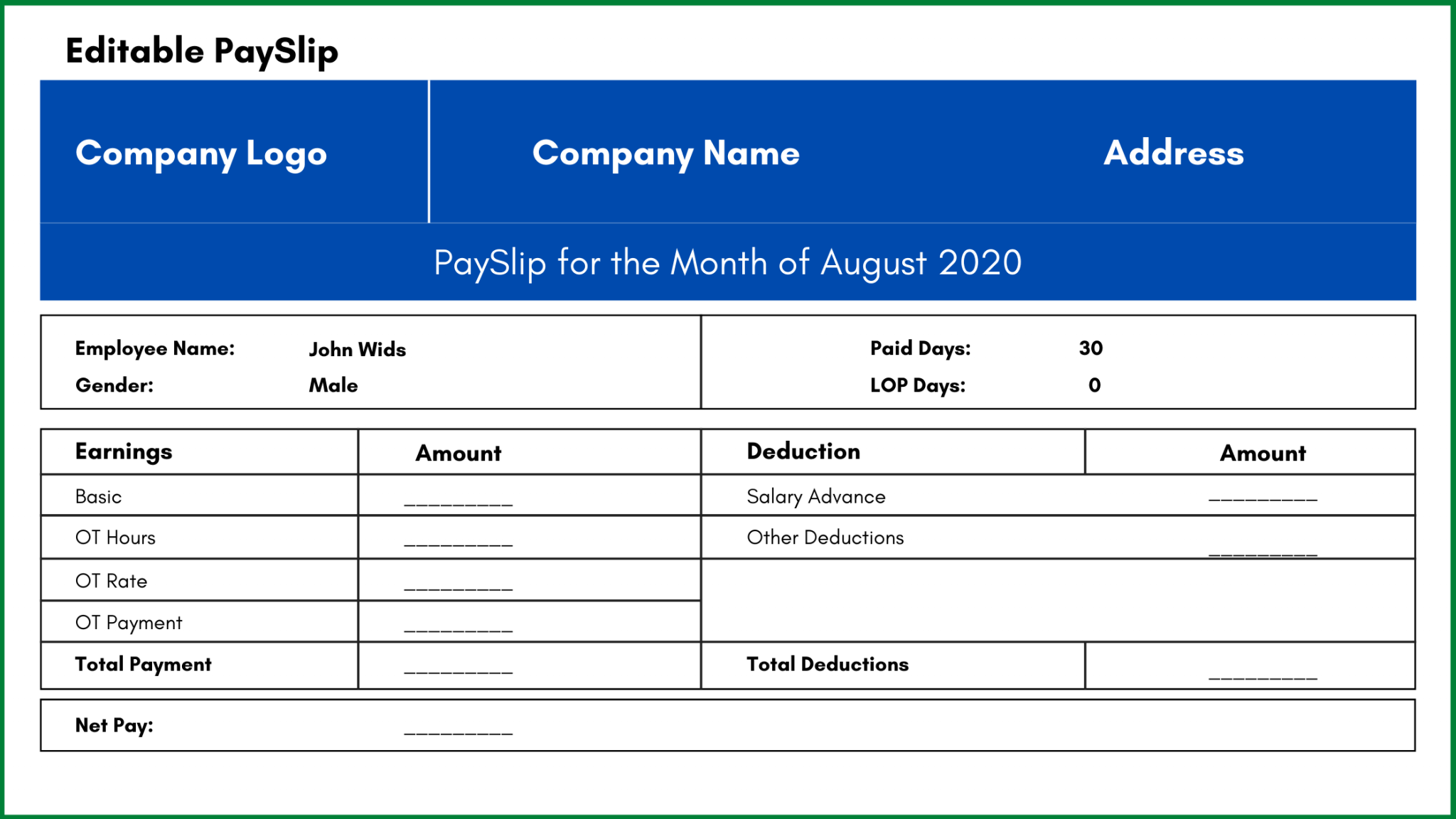
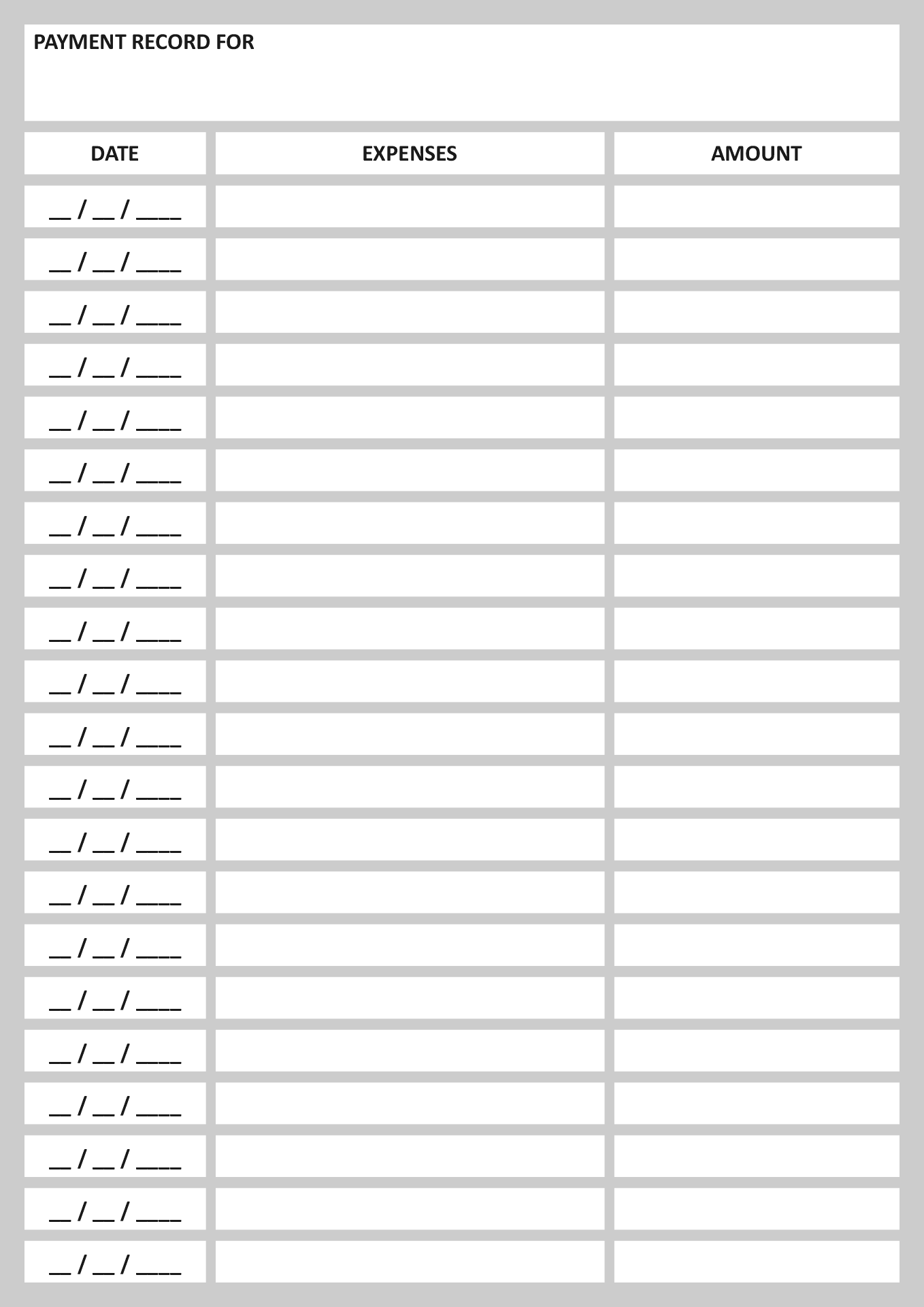
A payment slip serves as a documented record of a transaction between a payer and a payee. It typically includes essential details such as the date, amount paid, payment method, and the purpose of the payment. By using a payment slip, you can ensure that both parties have a clear reference point for the transaction, enhancing accountability.
When you download a printable payment slip, it’s important to keep in mind the specific details you want to include. For instance, if you are using it for personal finances, you might want to note the nature of the expense or the service received. In a business context, additional fields for invoicing numbers or client details may be beneficial.
How to Download and Print Your Payment Slip
Getting your printable payment slip is straightforward. Here are the steps you can follow:
- Find a Reliable Source: Look for a reputable website that offers free downloadable payment slips. Ensure that the format is compatible with your needs, ideally in PDF or Word format for easier editing.
- Select the Right Format: PDFs are a great choice since they maintain formatting across different devices. However, if you prefer to customize the slip, a Word document allows for easy editing.
- Download the File: Click the download link for the payment slip. Ensure that your browser settings allow downloads from the site.
- Print Settings: Before printing, check your printer settings. Most home printers handle standard letter-size paper (8.5 x 11 inches) well. If you’re using a different size, adjust your settings accordingly.
- Print a Test Page: It’s wise to print a single slip first to ensure that all details are clear and properly formatted on the page.
Filling Out the Payment Slip
Once you have your payment slip printed, the next step is filling it out. Here’s how to do it effectively:
- Date: Always start by adding the date of the transaction. This helps in maintaining chronological order in your records.
- Payer Information: Include your name and contact information. If this is for a business, include the company name and address.
- Payee Information: Clearly write the name and contact details of the person or business receiving the payment.
- Amount: Specify the exact amount paid. It’s a good practice to write this in both numerical and written form to avoid any confusion.
- Payment Method: Indicate how the payment was made, whether by cash, check, or electronic transfer. This can be important for both parties’ records.
- Purpose of Payment: Briefly describe what the payment is for. This helps clarify the transaction and serves as a reference in the future.
Organizing Your Payment Slips for Future Reference
After filling out your payment slips, organizing them is crucial for easy access. Here are some strategies:
- Create a Filing System: Use a binder or folder to keep your payment slips organized. You might separate them by month, type of expense, or by payee.
- Digital Backup: Consider scanning your completed payment slips and saving them digitally. This adds an extra layer of security and makes retrieval easier.
- Regular Review: Set a schedule to review your payment slips regularly. This will help you track your spending habits and ensure that all transactions are correctly recorded.
Final Tips for Using Payment Slips Effectively
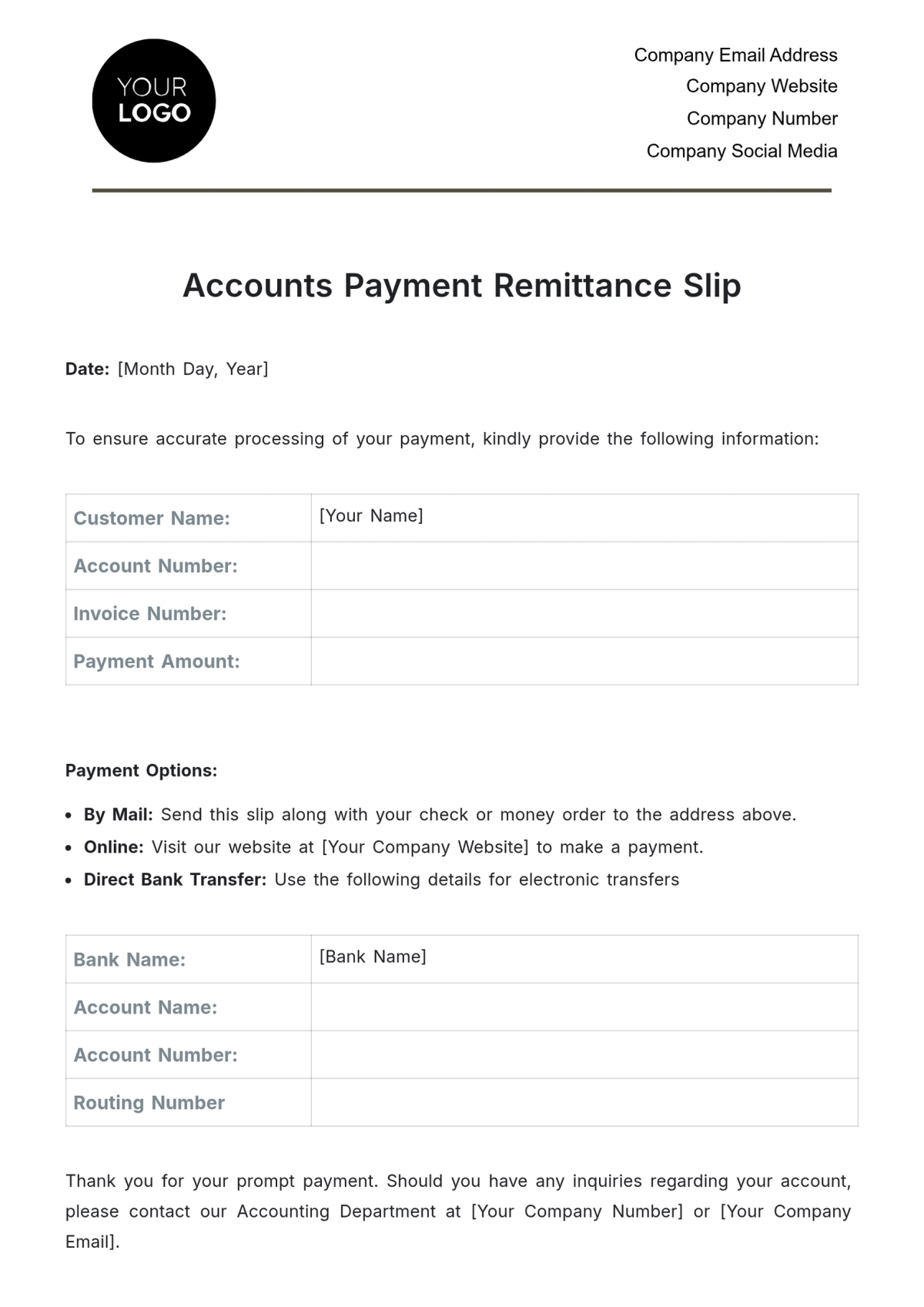
Using a Printable Free Payment Slip For Accounting Records can streamline your financial management process. One practical tip is to always keep a few blank slips handy for unplanned expenses. This way, you won’t miss documenting any transactions, no matter how spontaneous they may be. Additionally, remember to retain copies of any receipts associated with the payments made for added verification.
By following these guidelines, you can effectively manage your personal or business finances with clarity and organization.