A Blank Printable Payment Slip Layout is an essential tool for small business owners managing payments and transactions. This resource allows you to streamline your payment processes, ensuring clarity and professionalism when handling financial records. By having a printed payment slip on hand, you can simplify transactions, whether they’re for sales, services, or reimbursements.
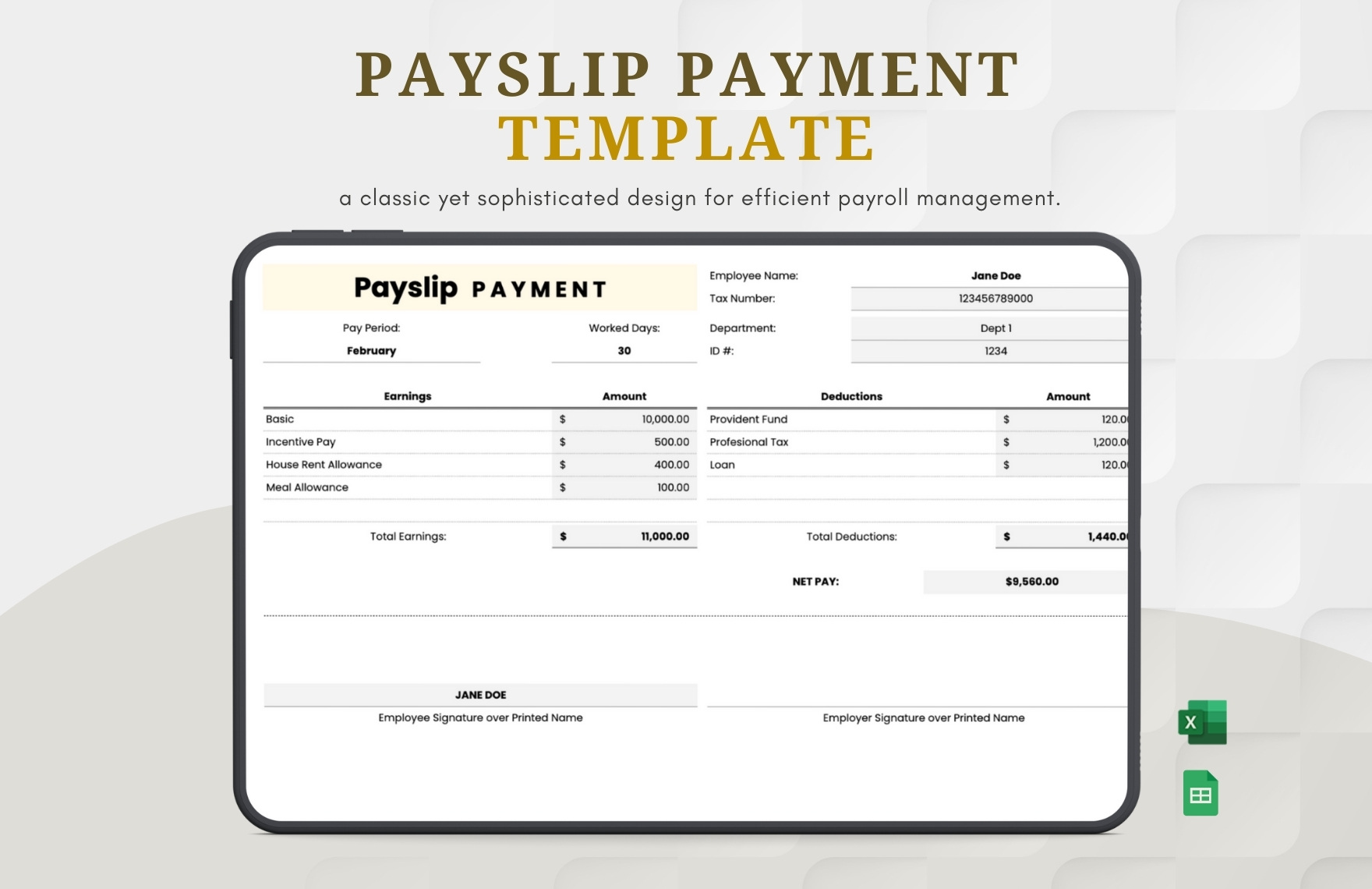
Understanding the Components of a Payment Slip
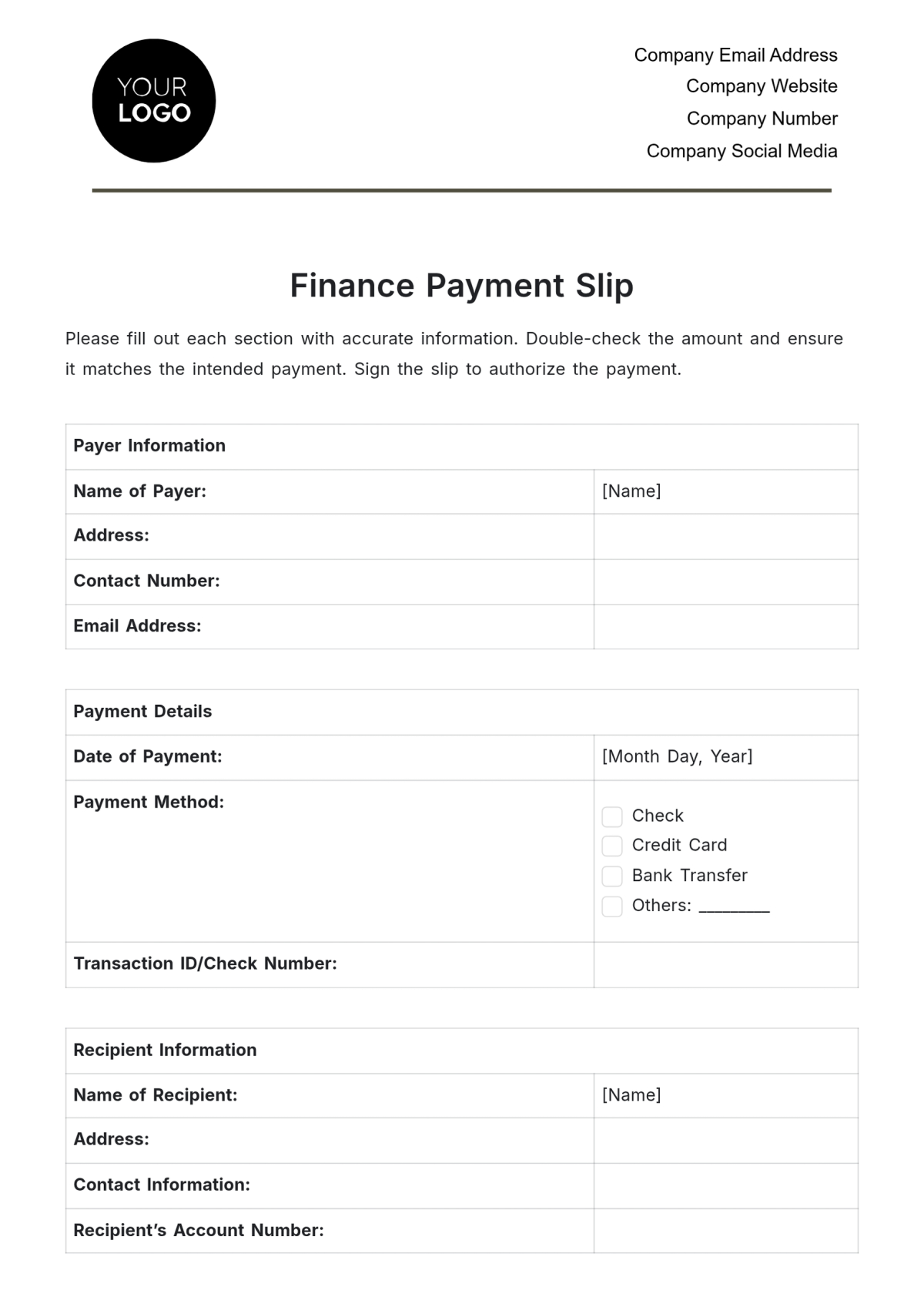
When utilizing a Blank Printable Payment Slip Layout, it’s crucial to know what elements should be included for maximum efficiency. A well-structured payment slip typically contains:
- Date: Always include the date of the transaction.
- Payee Information: Clearly state who is receiving the payment.
- Payer Information: Include details of the person or business making the payment.
- Payment Amount: Clearly specify the amount being paid.
- Description of Payment: A brief note regarding what the payment is for.
- Signature Line: A space for the payee or payer to sign, adding authenticity to the document.
These components ensure that both parties understand the transaction details, which is particularly useful for record-keeping and future reference.
Choosing the Right Format for Your Payment Slip
When selecting a Blank Printable Payment Slip Layout, consider the format that best suits your business needs. Common formats include:
- PDF: This format is ideal because it retains the layout across different devices and printers, minimizing reformatting issues.
- Word Document: Offers flexibility for editing, but be mindful of potential layout shifts when printing.
- Image Files: While easy to use, they may not be as versatile for adjustments compared to PDF or Word formats.
Using a PDF format is often recommended for its stability and ease of use, especially if you need to ensure that the format remains unchanged when printed.
Printing and Using Your Payment Slip
Once you’ve downloaded your Blank Printable Payment Slip Layout, it’s time to print and use it effectively. Here are some practical tips for printing:
- Paper Size: Standard letter size (8.5 x 11 inches) works well for most slip layouts.
- Print Settings: Use portrait orientation for a clean, professional look. Make sure to check the printer settings to avoid any margin issues.
- Paper Quality: Opt for heavier paper or cardstock if you plan to keep these slips as records; this will prevent wear and tear over time.
Having a stack of printed payment slips readily available can save time and enhance the professionalism of your transactions.
Organizing and Storing Payment Slips
After using your Blank Printable Payment Slip Layout, organization is key. Here are a few strategies to keep your payment slips in order:
- Filing System: Create a dedicated folder for payment slips, categorized by date, transaction type, or client. This makes it easy to retrieve any slip when needed.
- Digital Copies: Consider scanning your completed payment slips to maintain a digital record. This not only saves physical space but also provides a backup in case of loss.
- Regular Reviews: Set a schedule to periodically review your payment slips to ensure all transactions are accounted for and to facilitate easier tax preparation.
Organizing payment slips efficiently will reduce clutter and make accounting tasks less daunting.
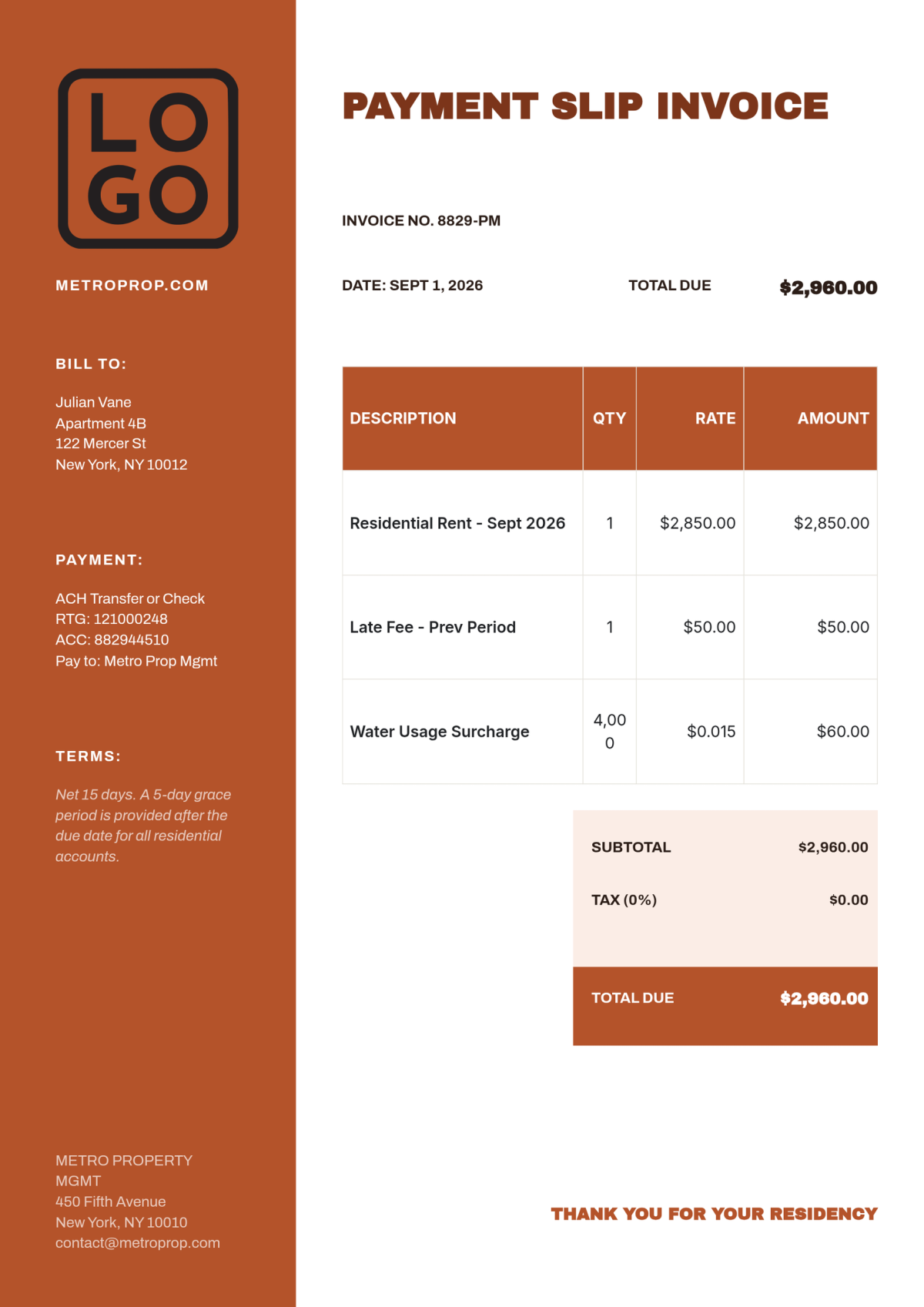
Addressing Common Concerns
One common concern when using a Blank Printable Payment Slip Layout is ensuring that the slips are secure and tamper-proof. Here are a few tips to enhance security:
- Watermarking: Add a watermark or logo to your payment slips to discourage unauthorized reproduction.
- Secure Storage: Keep physical slips in a locked filing cabinet or safe when not in use.
- Digital Security: If storing digital copies, ensure proper password protection and backup solutions are in place.
By taking these precautions, you can protect sensitive transaction information while maintaining an efficient payment process.
Adopting a Blank Printable Payment Slip Layout can significantly enhance your business’s transaction efficiency and professionalism. With clear components, the right format, and a solid organizational strategy, managing payments becomes a straightforward task, allowing you to focus on growing your business.