When managing finances in an office setting, a Simple Printable Payment Slip For Office Use can be a useful option. This resource helps streamline payment processing, ensuring that all transactions are documented clearly and efficiently. With the right payment slip, you can maintain accurate records, reduce errors, and enhance the overall organization of financial transactions.
What is a Payment Slip and Why is it Useful?
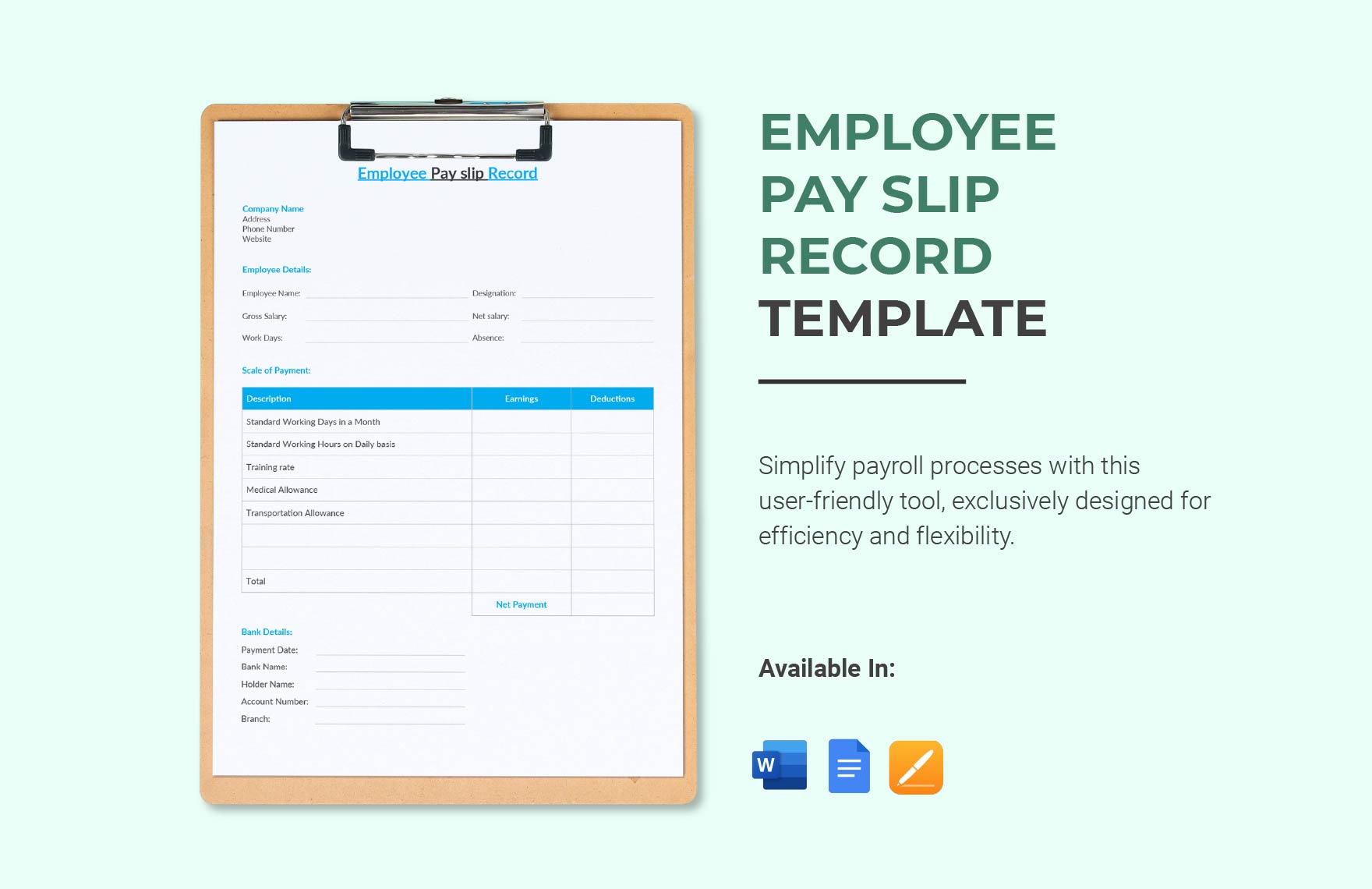
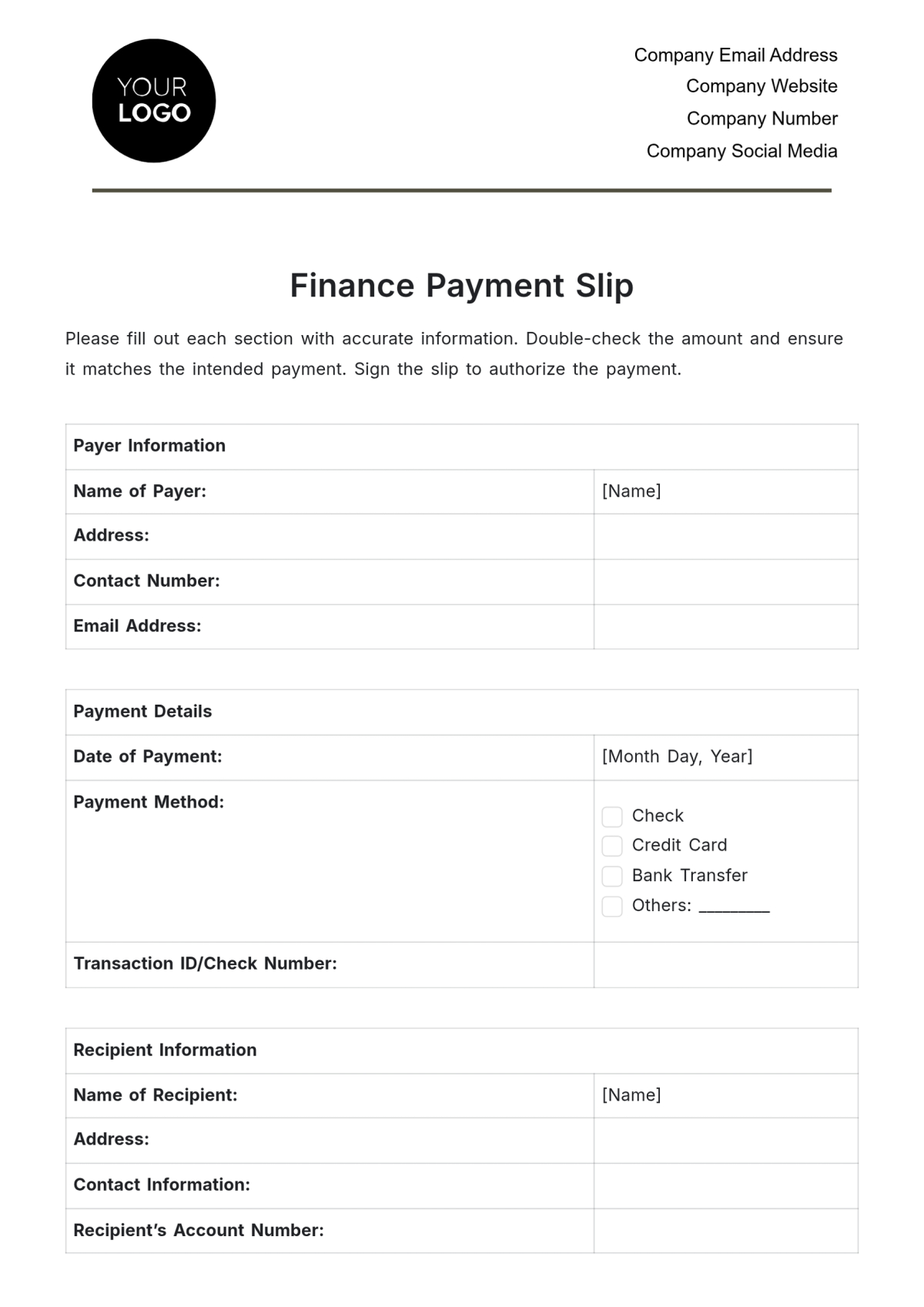
A payment slip is a document that accompanies a payment, detailing the transaction specifics. It typically includes information such as the date, the amount being paid, the purpose of the payment, and the recipient’s details. For office use, having a simple printable payment slip helps to formalize the payment process, ensuring that all necessary details are captured and that both parties have a record of the transaction.
Using a payment slip can significantly reduce confusion and disputes related to payments. It serves as a tangible reference for both the payer and the payee, making it easier to track expenses and manage budgets effectively.
How to Download and Print a Simple Payment Slip
Getting your Simple Printable Payment Slip For Office Use is straightforward. Follow these steps:
- Locate a Reliable Resource: Search for a website that offers printable payment slip templates. Ensure it has good reviews and offers a variety of styles to choose from.
- Select Your Preferred Design: Different designs may suit different needs. Look for one that fits your company’s branding or personal style. Many templates are customizable, allowing you to add your business logo or specific payment instructions.
- Download the Template: Most templates are available in PDF or Word format. PDF is often preferred as it maintains formatting across different devices. Click the download button to save the file to your computer.
- Print the Slip: Open the downloaded file and select the print option. Make sure to check your printer settings to ensure it’s set to print on standard letter size (8.5” x 11”) paper. Using a high-quality printer will provide a clearer printout, which is particularly important for official documents.
- Fill Out the Payment Slip: Once printed, fill in the necessary details such as the date, payment amount, and purpose. Be sure to keep the slip organized and legible.
Best Practices for Using Payment Slips in the Office
To maximize the effectiveness of your payment slips, consider these best practices:
- Keep Copies: Always make a copy of the completed payment slip for your records. This can be done by scanning or photocopying the slip before handing it over to the recipient.
- Use Clear Language: When filling out the slip, use clear and concise language. Avoid abbreviations that may confuse the recipient.
- Train Your Team: If you work in a team, ensure everyone understands how to properly fill out and process payment slips. This can prevent errors and promote consistency across transactions.
- Organize Payment Records: Store payment slips in a dedicated folder or digital system. This makes it easier to retrieve them for audits or financial reviews.
Customizing Your Payment Slip for Specific Needs
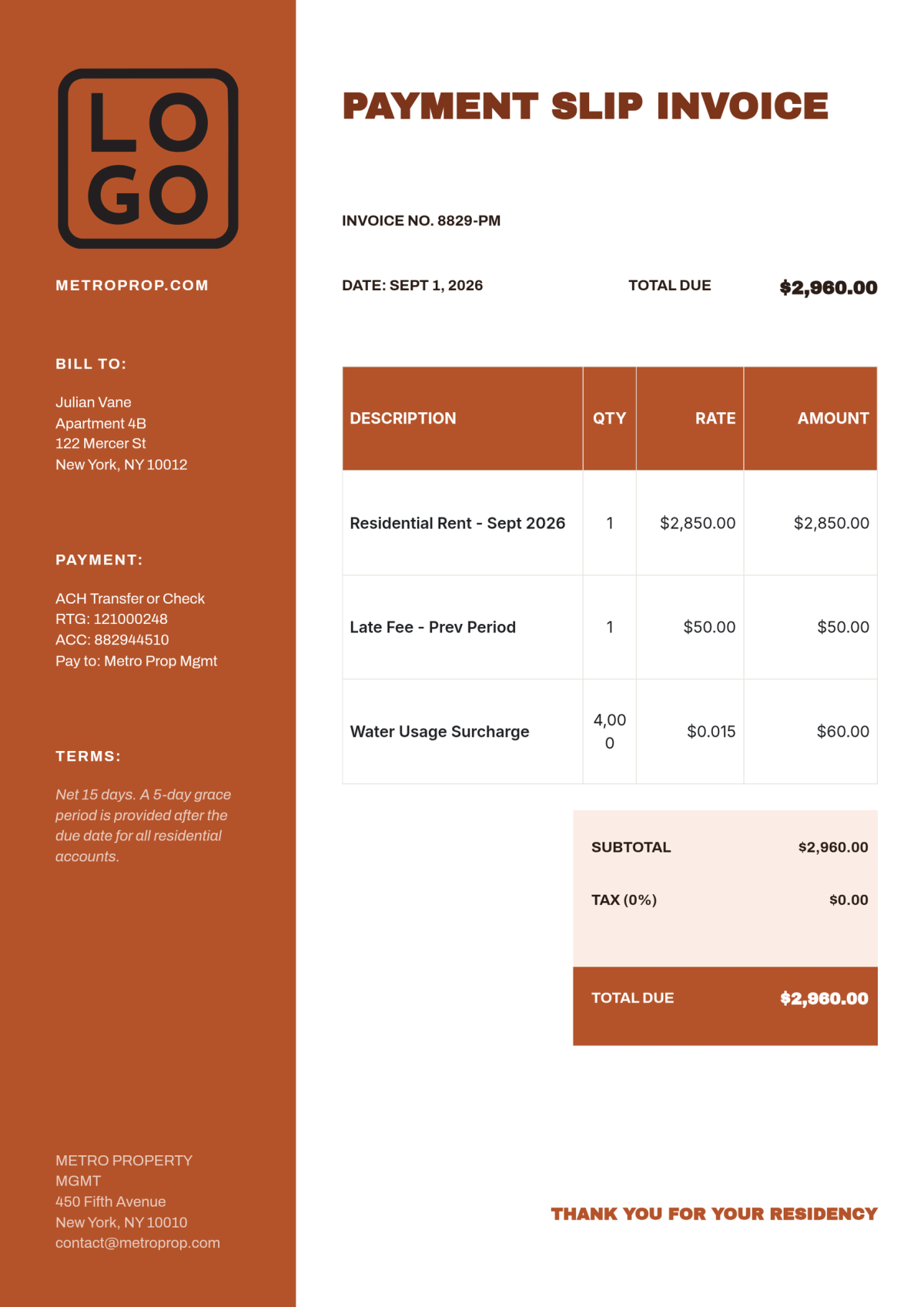
While a standard payment slip is useful, you may find that your office has unique requirements. Many printable templates allow for customization. You might want to include:
- Fields for Additional Information: If your office requires specific details, such as department codes or project names, look for a template that allows you to add these fields.
- Payment Methods: Indicate whether the payment is being made via cash, check, or electronic transfer. This additional information can help track your payment methods more effectively.
- Space for Signatures: Including a signature space can enhance the document’s legitimacy, providing proof of acknowledgment from both parties.
Having a Simple Printable Payment Slip For Office Use not only facilitates smoother transactions but also promotes financial discipline within your organization. By implementing this resource, you can keep your office’s financial dealings organized and transparent, ultimately aiding in better financial management.