Having a Customizable Printable Payment Slip For Payment Tracking can significantly improve how small business owners manage their finances. This resource provides a straightforward way to record payments, ensuring that every transaction is documented and easily accessible. With the right payment slip, tracking payments becomes less of a chore and more of an organized process.
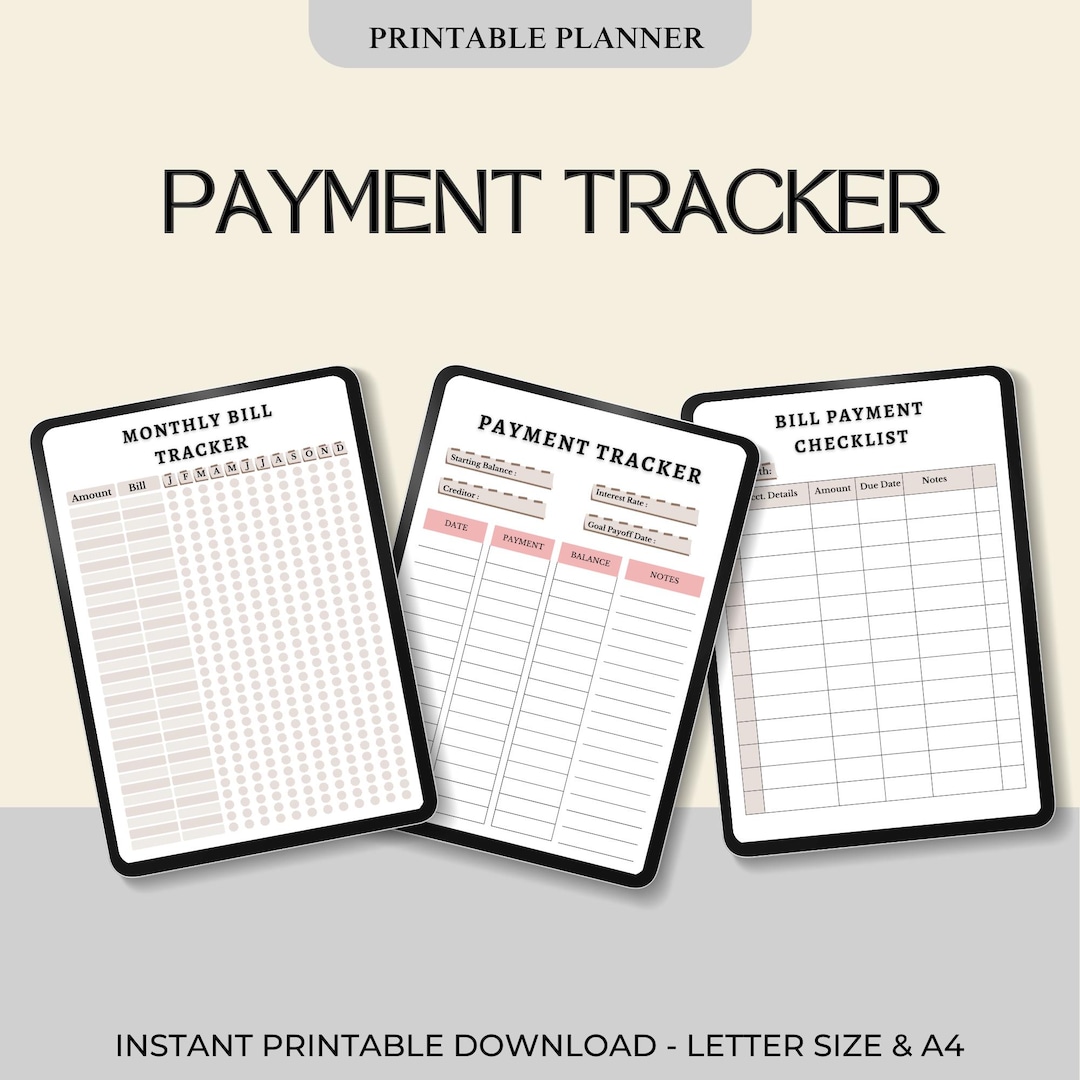
Understanding the Benefits of a Customizable Payment Slip
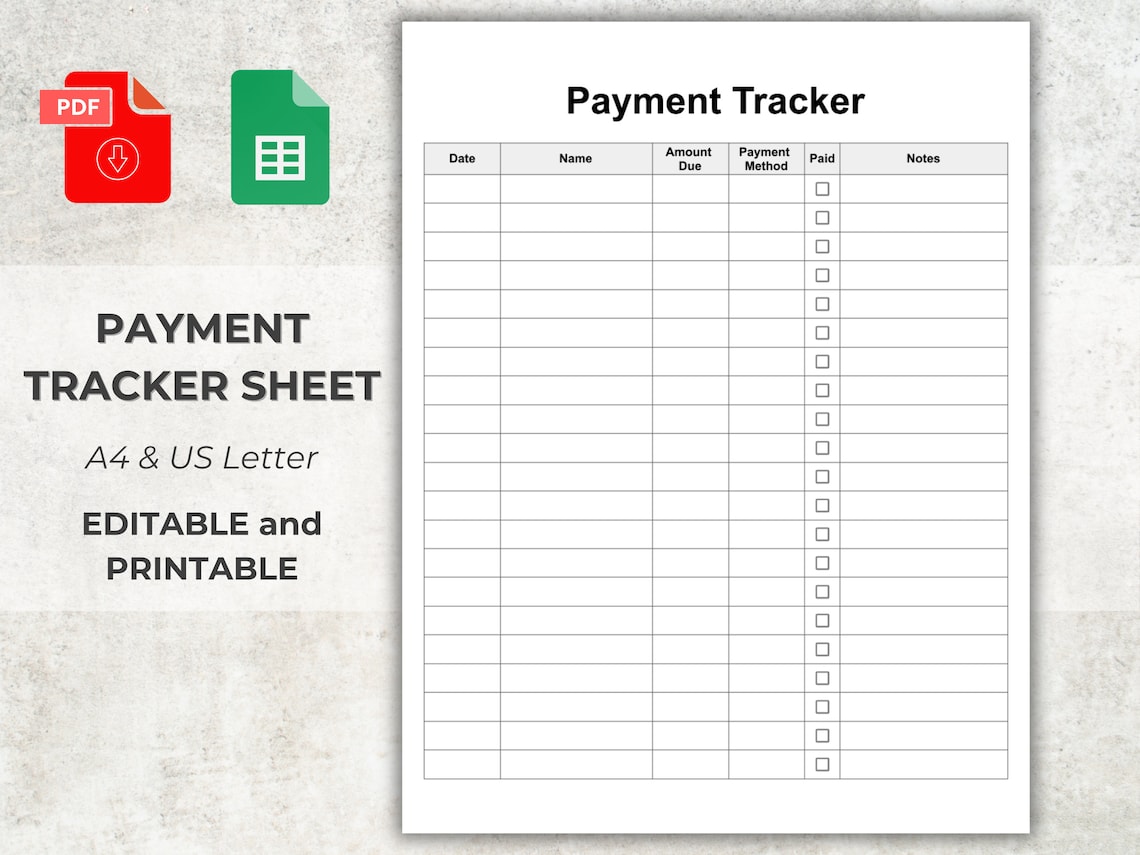
A customizable payment slip allows for flexibility in design and functionality. This means that business owners can tailor the slip to fit their specific needs, whether they require additional fields for services rendered, payment methods, or unique identifiers for clients. By having a slip that reflects your business’s branding, you also create a more professional image when receiving payments.
Using a payment slip helps maintain clear records, which is crucial for both accounting and tax purposes. It provides a physical document to reference, reducing the risk of errors that can occur with electronic transactions. Additionally, a well-organized system leads to better cash flow management, as you can quickly identify outstanding payments.
Key Features to Look For
When selecting a customizable printable payment slip, consider these key features to meet your business needs:
- Custom Fields: The ability to add or remove fields for specific information such as invoice numbers, item descriptions, and payment terms.
- Design Options: Look for templates that allow you to incorporate your logo, color scheme, and font choices to maintain brand consistency.
- Size and Format: Ensure the slip is available in standard sizes (like A4 or letter) for easy printing, and in formats such as PDF or Word for convenience.
- Ease of Use: A user-friendly template will save time when filling out payment information. Look for designs that are intuitive and straightforward.
- Download and Print Options: Check that the resource allows for easy downloading and printing without complicated software requirements.
How to Use Your Payment Slip Effectively
Implementing a customizable payment slip in your financial management process requires a few straightforward steps. First, download the template that best fits your business needs. Most templates will allow for easy editing, so customize it to include all relevant details.
When receiving a payment, fill out the slip completely. Include the date of the transaction, the amount paid, and any relevant notes or descriptions. This practice not only helps you keep track of payments received but also provides your clients with a receipt of their transaction, enhancing transparency.
Store these slips in an organized manner, either physically or digitally. If keeping physical copies, consider using a filing system sorted by date or client name. For digital copies, ensure they are saved in a dedicated folder on your computer or cloud storage, making them easy to locate later.
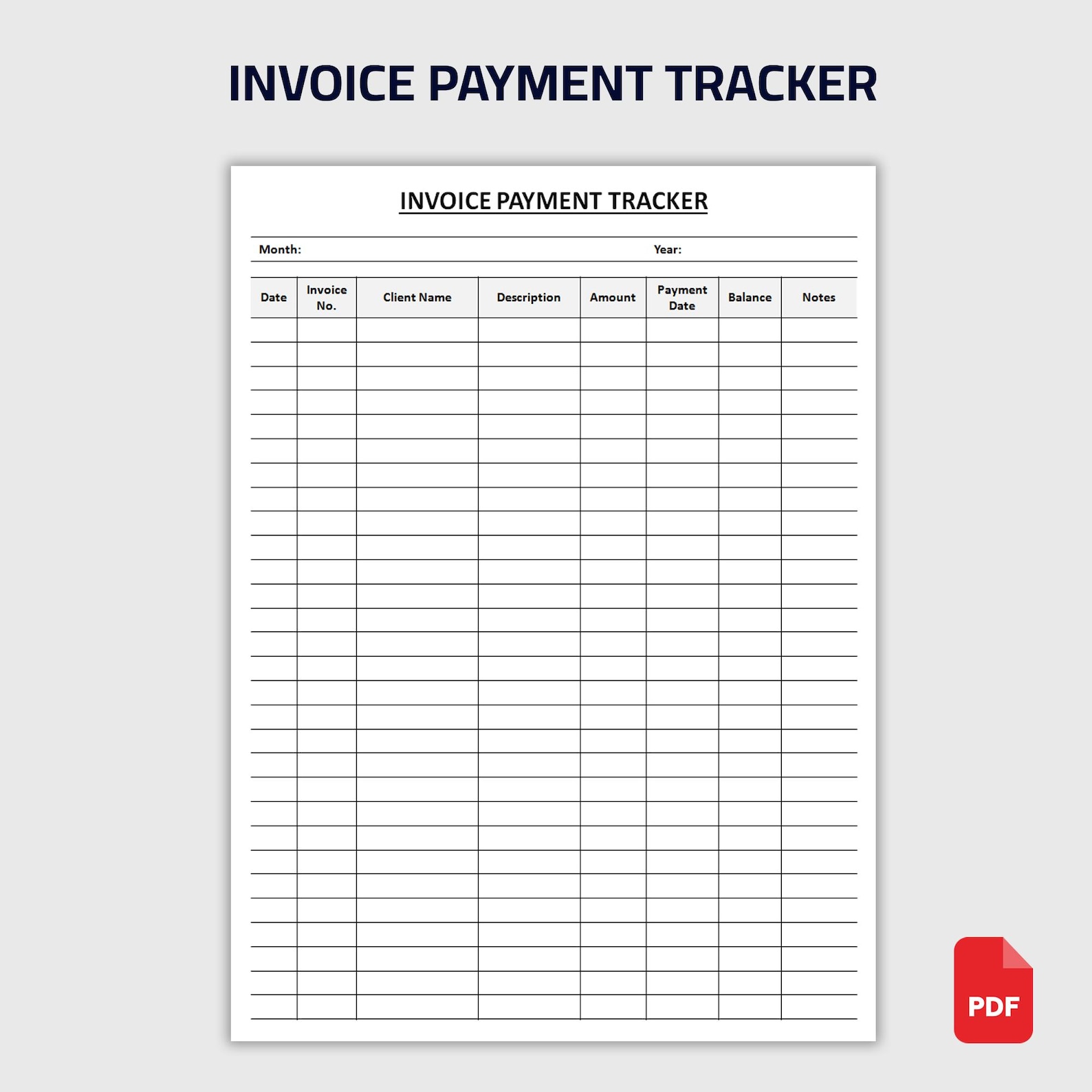
Tips for Printing Your Payment Slip
To ensure that your customizable printable payment slip looks professional when printed, follow these tips:
- Use Quality Paper: Opt for heavier paper or cardstock to give the slips a more substantial feel, especially if they will be handed directly to clients.
- Printer Settings: Adjust your printer settings to match the paper size and quality for optimal results. Portrait orientation typically works best for payment slips.
- Test Print: Always do a test print before finalizing a batch to check for layout issues or misalignments.
- Laminating: If you intend to reuse the slips or want them to withstand wear and tear, consider laminating them. This is particularly useful for businesses that handle a high volume of transactions.
Having a customizable printable payment slip for payment tracking is an invaluable tool for small business owners. It simplifies the process of recording payments and enhances organization, leading to better financial management. By investing time in creating and maintaining this resource, business owners can ensure that they have clear and accurate records of all transactions, ultimately supporting their operational success.