Managing your finances can sometimes feel overwhelming, especially when it comes to handling deposits. One useful tool that can streamline this process is a Customizable Printable Bank Deposit Slip Form. This resource allows you to manage your deposits efficiently, ensuring you have all the necessary information at your fingertips. Let’s walk through how to use this form effectively.
Understanding the Bank Deposit Slip Form
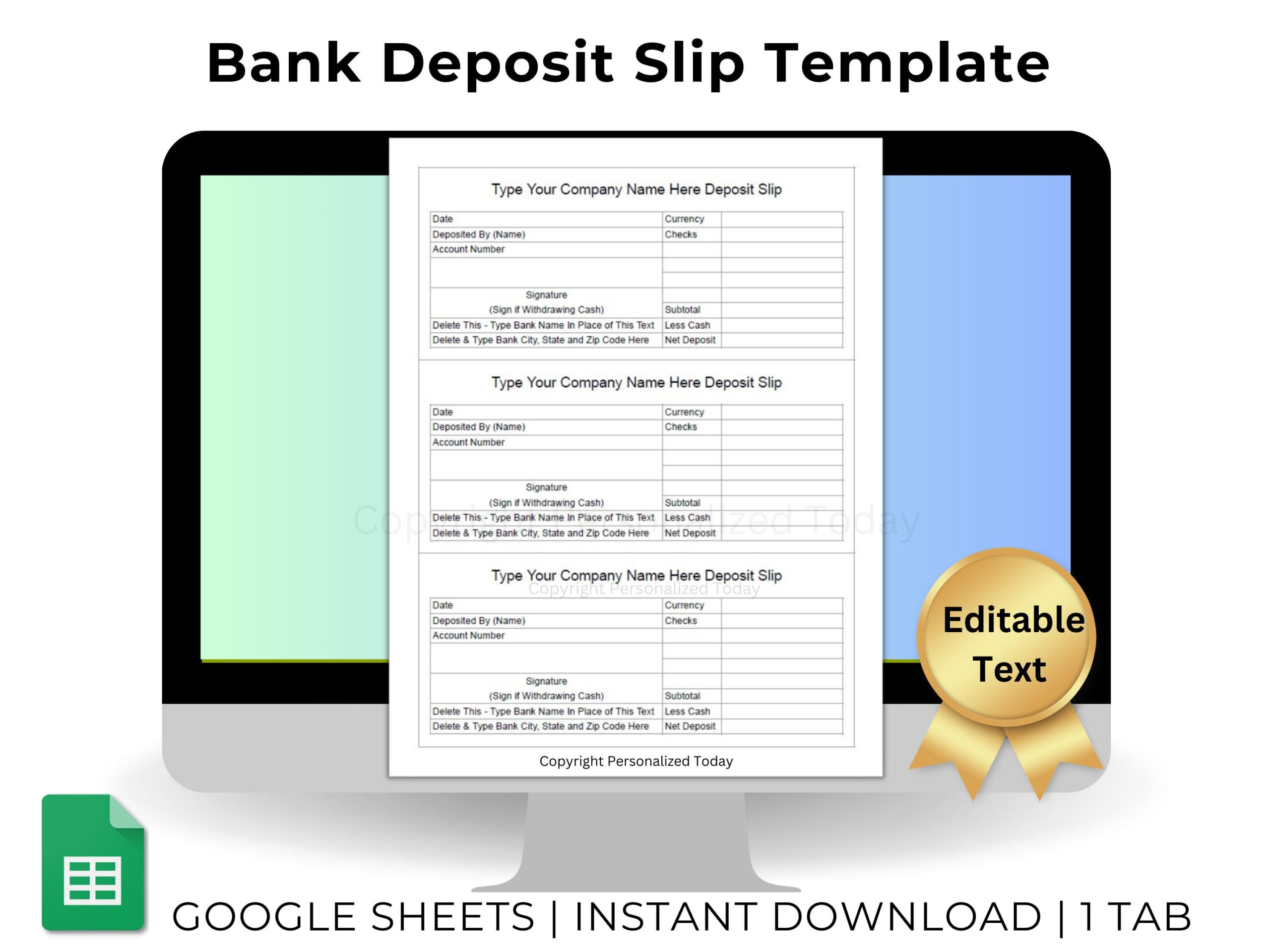
A bank deposit slip is a document that you fill out to deposit money into your bank account. It typically includes fields for your account number, the amount being deposited, and any cash or check details. Using a customizable version means you can tailor it to fit your specific needs, whether you’re making personal deposits or handling business transactions.
Key Components of the Deposit Slip
Before diving into how to fill it out, familiarize yourself with the typical sections of a bank deposit slip:
- Account Number: This is where you write your bank account number.
- Date: The current date of the transaction.
- Depositor’s Name: Your name or the name of the business making the deposit.
- Amount of Deposit: This includes both cash and checks.
- Cash and Check Sections: These sections allow you to break down the total amount you’re depositing.
Understanding these fields helps you prepare the information you’ll need before you start filling out your form.
How to Download and Print the Form
To get started, you’ll need to download the Customizable Printable Bank Deposit Slip Form. Here’s a simple process to follow:
- Find the Resource: Visit a printable-resource website that offers this form. Look for a section dedicated to financial forms.
- Download the Form: Click on the download link, typically available in PDF format. This format ensures that your layout remains intact when printing.
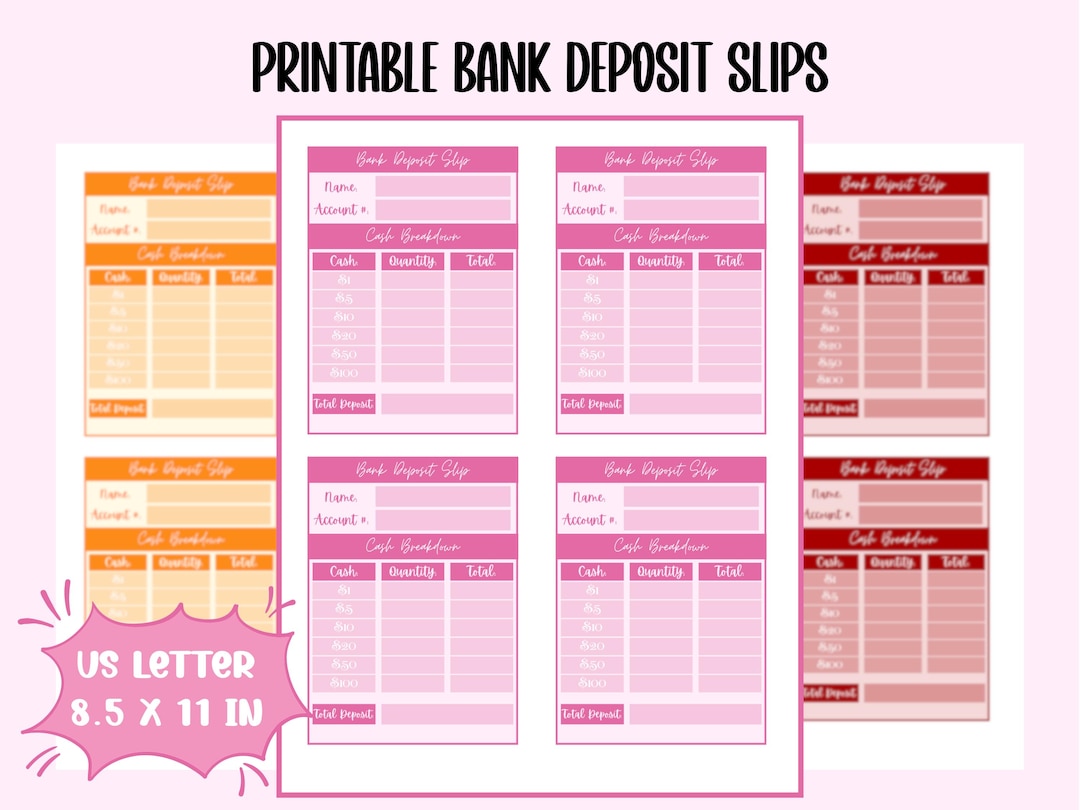
- Print Settings: Use a standard printer set to print on 8.5″ x 11″ paper, which is the common size for bank deposit slips. Make sure to select the portrait layout for best results.
Printing on a heavier weight paper, like cardstock, can ensure durability, especially if you plan to use the slip frequently.
Filling Out the Deposit Slip
Now that you have your form printed, it’s time to fill it out. Here’s a step-by-step guide to ensure accuracy:
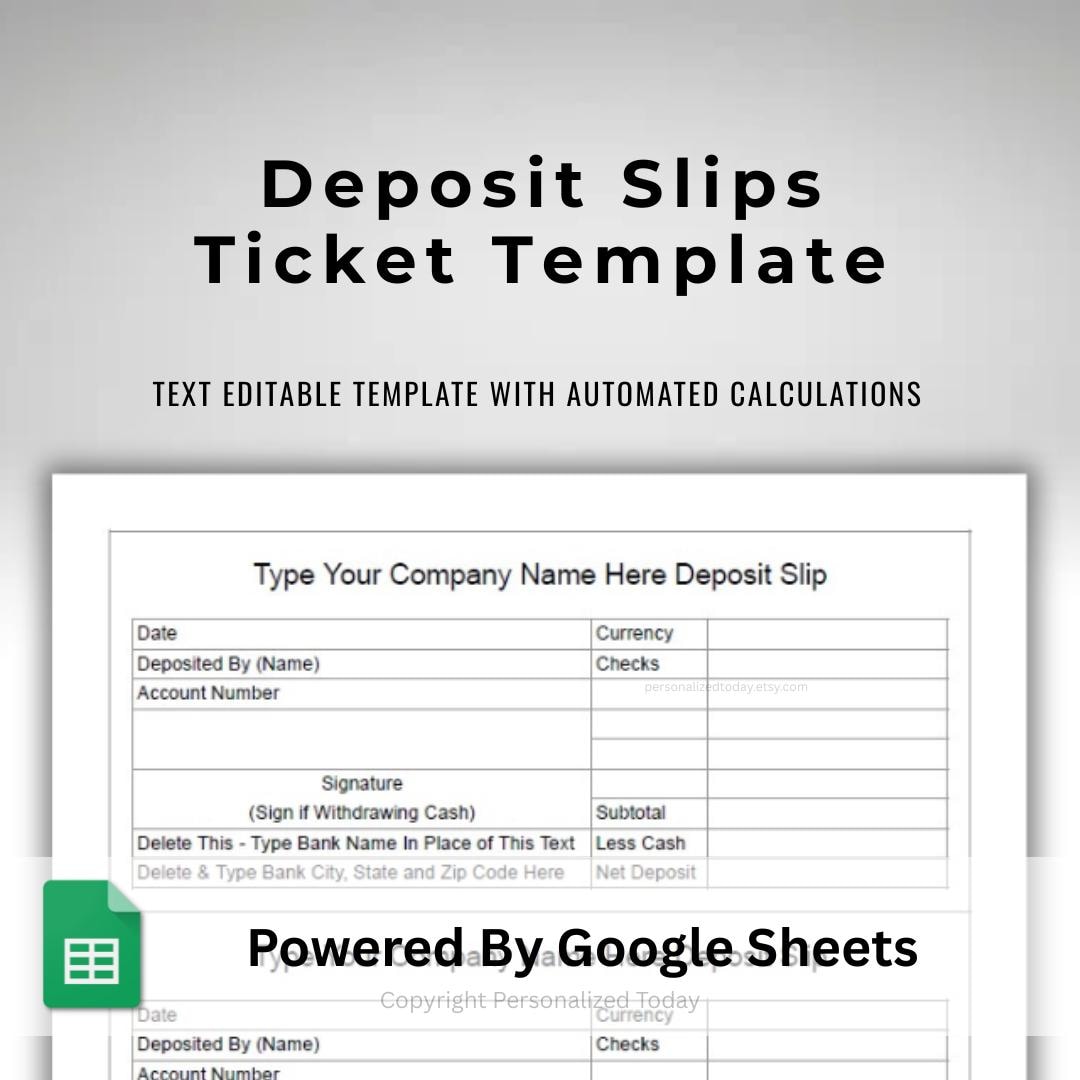
- Write the Date: Start by entering today’s date on the form.
- Enter Your Account Number: This is essential for the bank to credit your deposit to the correct account. Double-check this number to avoid any mistakes.
- Depositor’s Name: Fill in your name or the business name as it appears on the account.
- Detail the Deposit Amount:
- Cash: If you’re depositing cash, write the total amount in the cash field.
- Checks: For checks, list each check’s amount separately in the designated section. Make sure to include the total of all checks in the total deposit field.
- Double-Check Your Information: Before handing in your deposit slip, check all fields for accuracy. Mistakes can cause delays in processing your deposit.
Using Your Deposit Slip Effectively
Once you’ve filled out your slip, there are a few additional tips to keep in mind:
- Keep a Copy: If your bank allows, make a copy of the completed deposit slip for your records. This can be helpful for tracking your finances.
- Organize Your Deposits: If you frequently make deposits, consider keeping a folder with your deposit slips. This can help you maintain organization, especially if you’re managing multiple accounts.
- Be Mindful of Bank Policies: Different banks may have specific requirements for deposits. Familiarize yourself with your bank’s policies regarding deposit slips to avoid issues.
By using a customizable printable bank deposit slip form, you can simplify your banking tasks. This resource not only aids in ensuring you provide the correct information but also helps you stay organized in your financial management.
A practical tip to consider: If you make regular deposits, create a master copy of your deposit slip with your usual information filled in. You can then modify it as needed, saving you time in the future.