When creating a Basic Printable Pay Slip Form, you’ll find that it typically comes in the standard A4 size, making it easy to print from most home and office printers. This resource is essential for anyone looking to provide clear and professional payroll documentation. In this guide, I will break down the layout and sections of the pay slip form, helping you understand what information you need to prepare before you start filling it out.
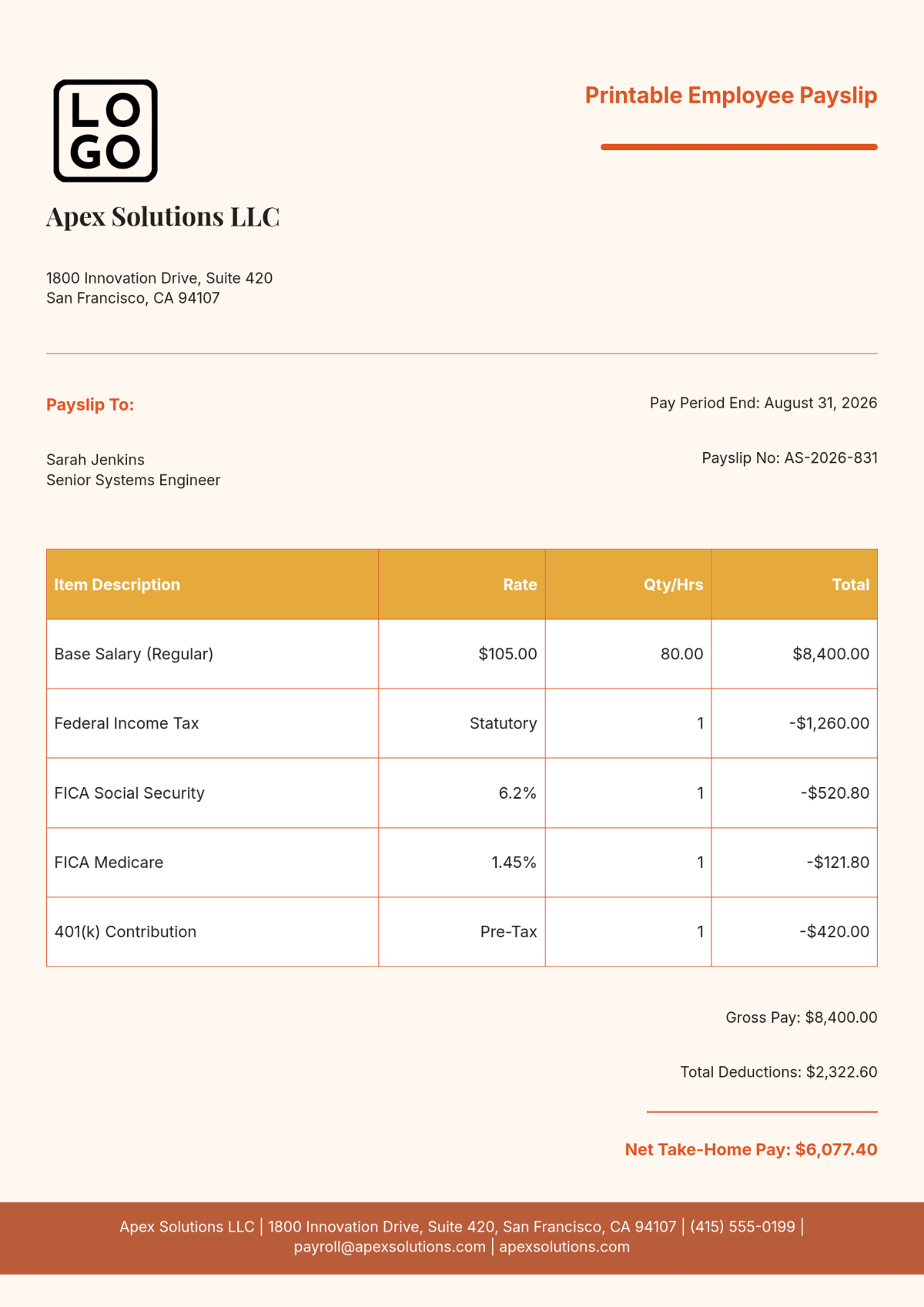
Understanding the Layout of the Pay Slip Form
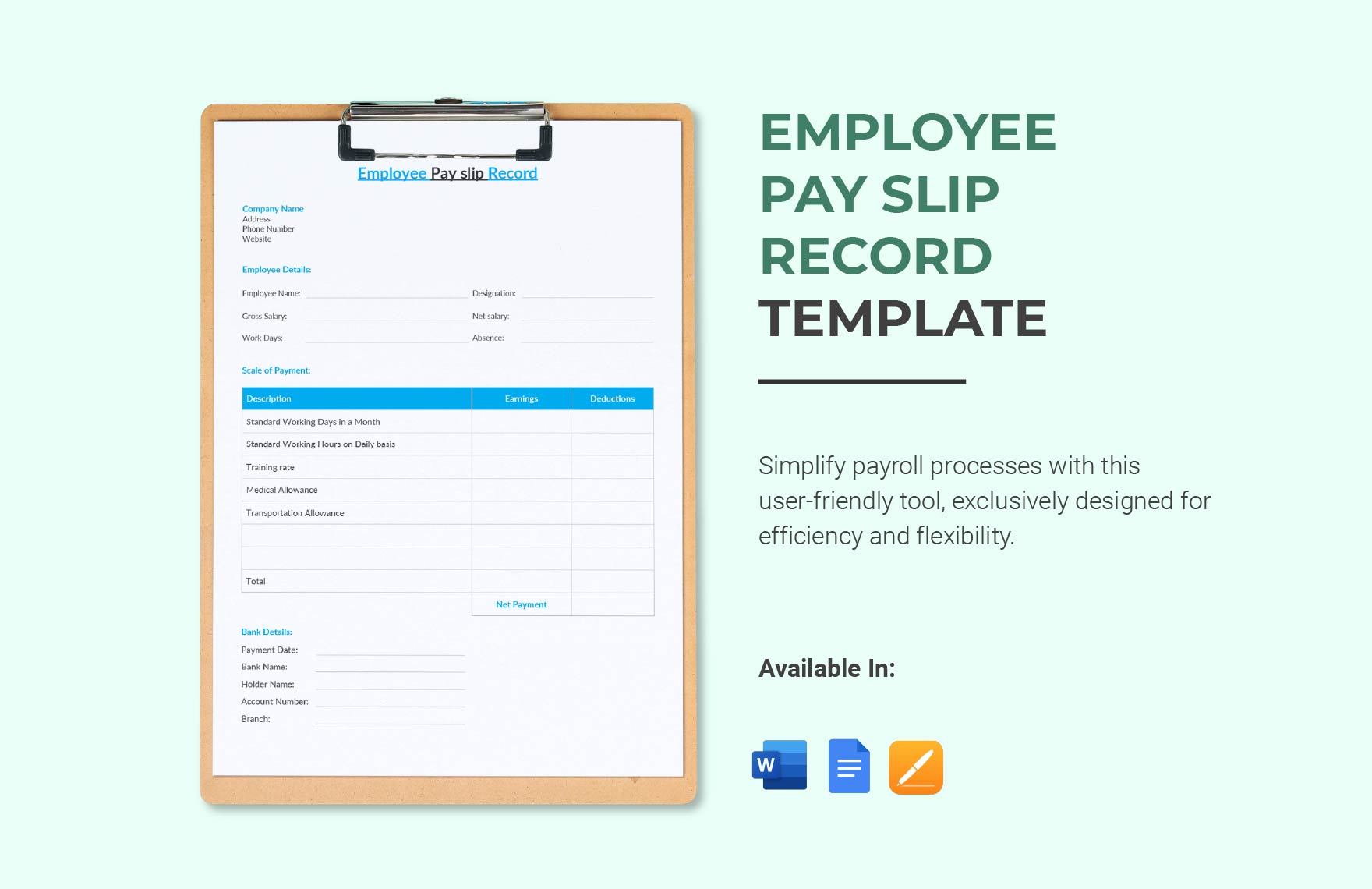
The layout of a pay slip is designed to present information clearly and concisely. Generally, you’ll notice that the form is divided into several key sections, each serving a specific purpose. Here’s what you can expect:
- Header Section: This area typically includes the business name, logo, and contact information. It’s important as it establishes the identity of the employer. Ensure this section is completed with accurate branding.
- Employee Details: Here, you’ll enter the employee’s name, address, and identification number. This section helps to personalize the pay slip and is crucial for record-keeping.
- Pay Period: This part indicates the specific time frame for which the payment is being made. It usually includes start and end dates, which are essential for both the employee and employer to keep track of payroll cycles.
- Earnings Section: This section details the employee’s gross pay, which may include base salary, overtime, bonuses, and any commissions. Be sure to list all earnings accurately to avoid confusion.
- Deductions: This area outlines any deductions taken from the gross pay, such as taxes, health insurance, retirement contributions, or other withholdings. Clear itemization is important here to maintain transparency.
- Net Pay: The final figure on the pay slip represents the amount the employee takes home after all deductions. This should be highlighted to ensure clarity.
- Footer: Often, the footer may include additional notes or disclaimers. This can be a space for any legal requirements or additional information pertinent to the pay period.
Preparing to Fill Out the Pay Slip
Before you print and complete the Basic Printable Pay Slip Form, gather all necessary information. Here’s what you should have on hand:
- Employee Information: Collect names, addresses, and identification numbers for each employee. This ensures that their personal details are current and accurate.
- Pay Information: Know the pay period dates and calculate the gross earnings for each employee. Gather any overtime hours or additional earnings they may have received during this period.
- Deductions: Have a clear understanding of what deductions will apply. This includes tax rates, insurance premiums, and retirement contributions. It’s wise to check recent tax tables to ensure accuracy.
- Payment Method: Determine how the employee will receive their payment (e.g., check, direct deposit), as this can influence how the pay slip is presented.
By organizing this information ahead of time, you can streamline the process of filling out the pay slip, making it more efficient and less prone to errors.
Best Practices for Completing the Pay Slip Form
When it comes time to fill out the Basic Printable Pay Slip Form, here are some best practices to keep in mind:
- Use Clear Writing: If you’re filling out the form by hand, ensure your handwriting is legible. Alternatively, consider filling it out digitally if you have access to a PDF editor.
- Double-Check Figures: Always review the numbers for accuracy before finalizing the form. This can prevent misunderstandings and disputes later on.
- Maintain Confidentiality: Since pay slips contain sensitive information, ensure that they are distributed securely. If sending electronically, consider using a password-protected file.
- Keep Copies: Retain copies of each pay slip for your records. This is crucial for accounting purposes and can help resolve any future discrepancies.
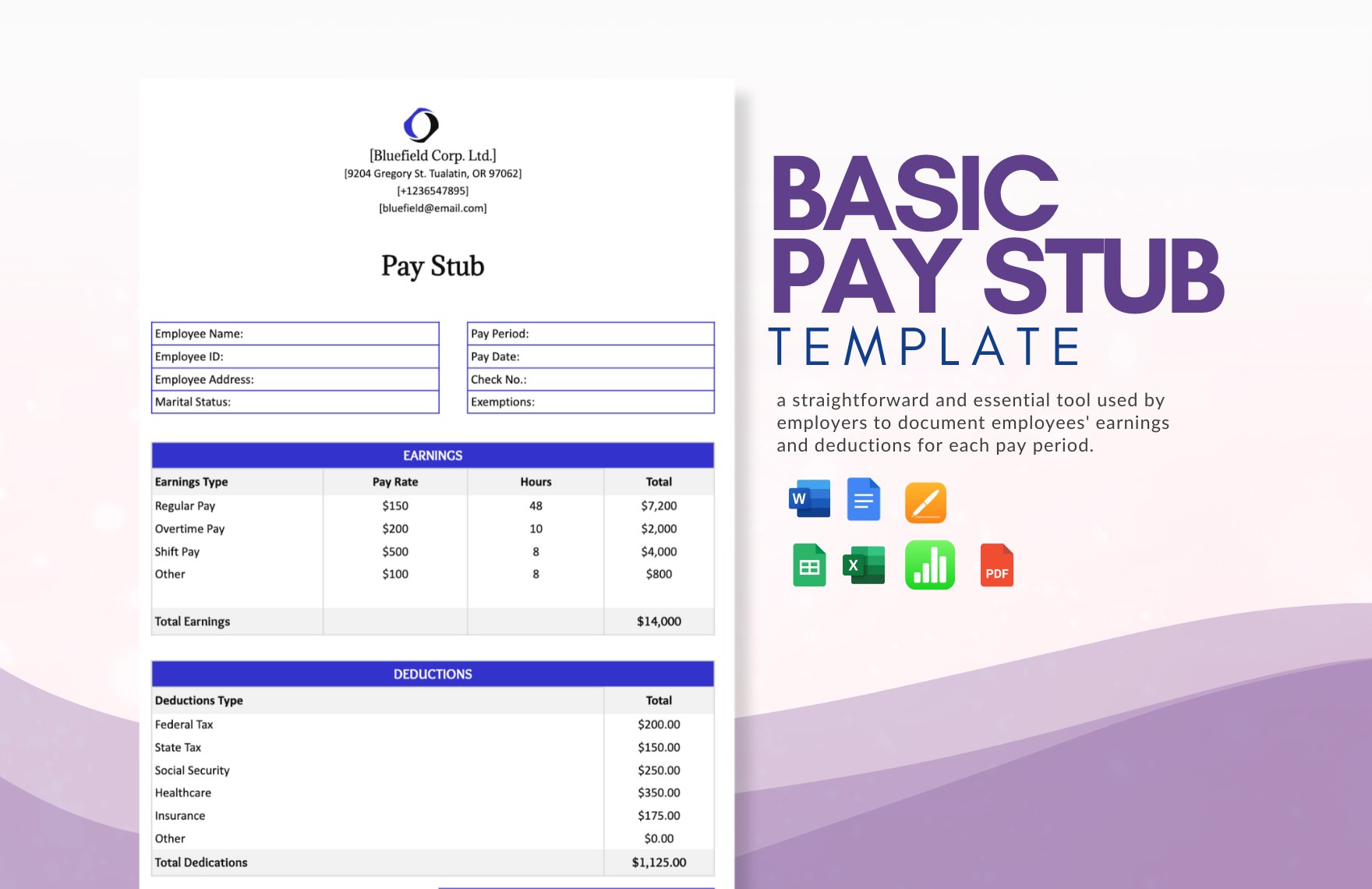
Customizing the Pay Slip for Your Needs
While the Basic Printable Pay Slip Form provides a solid foundation, consider customizing it to better fit your business’s needs. Here are a few suggestions:
- Add Company Branding: Including your logo and brand colors can make the pay slip more professional and help reinforce your company’s identity.
- Include Additional Information: Depending on your industry or company policy, you might want to add sections for employee performance bonuses, vacation accrual, or other relevant data.
- Use Print-Friendly Formats: If you’re concerned about ink usage, consider printing on both sides of the paper or using a lighter font color for less critical information.
This customization can help your pay slips stand out while ensuring they meet the needs of both your employees and your accounting practices.
By understanding the layout, preparing the necessary information, and following best practices, you can effectively utilize a Basic Printable Pay Slip Form. Whether you’re managing payroll for a small team or a larger organization, this resource can help you provide accurate and professional pay documentation that your employees will appreciate. Consider how you can further enhance or adapt this form to suit your specific requirements, ensuring that it remains an invaluable tool in your financial management toolkit.