Creating a pay slip printable template for record keeping is essential for small business owners who want to maintain accurate payroll documentation. This template provides a clear format to outline employee earnings, deductions, and net pay, ensuring compliance with financial regulations. Using a pay slip not only helps in tracking employee payments but also aids in creating a transparent payroll system that builds trust with employees.
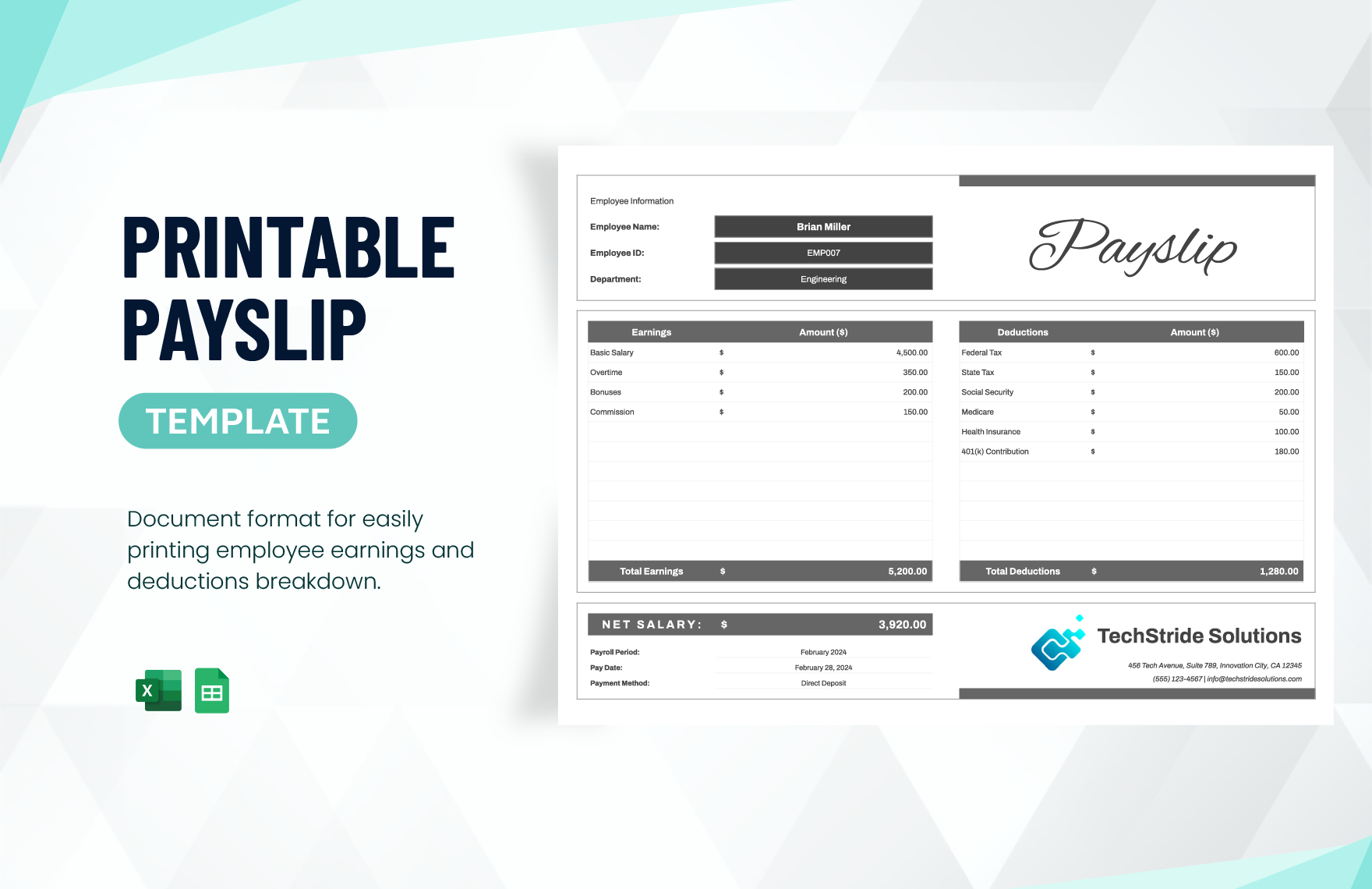
Understanding the Importance of Pay Slips
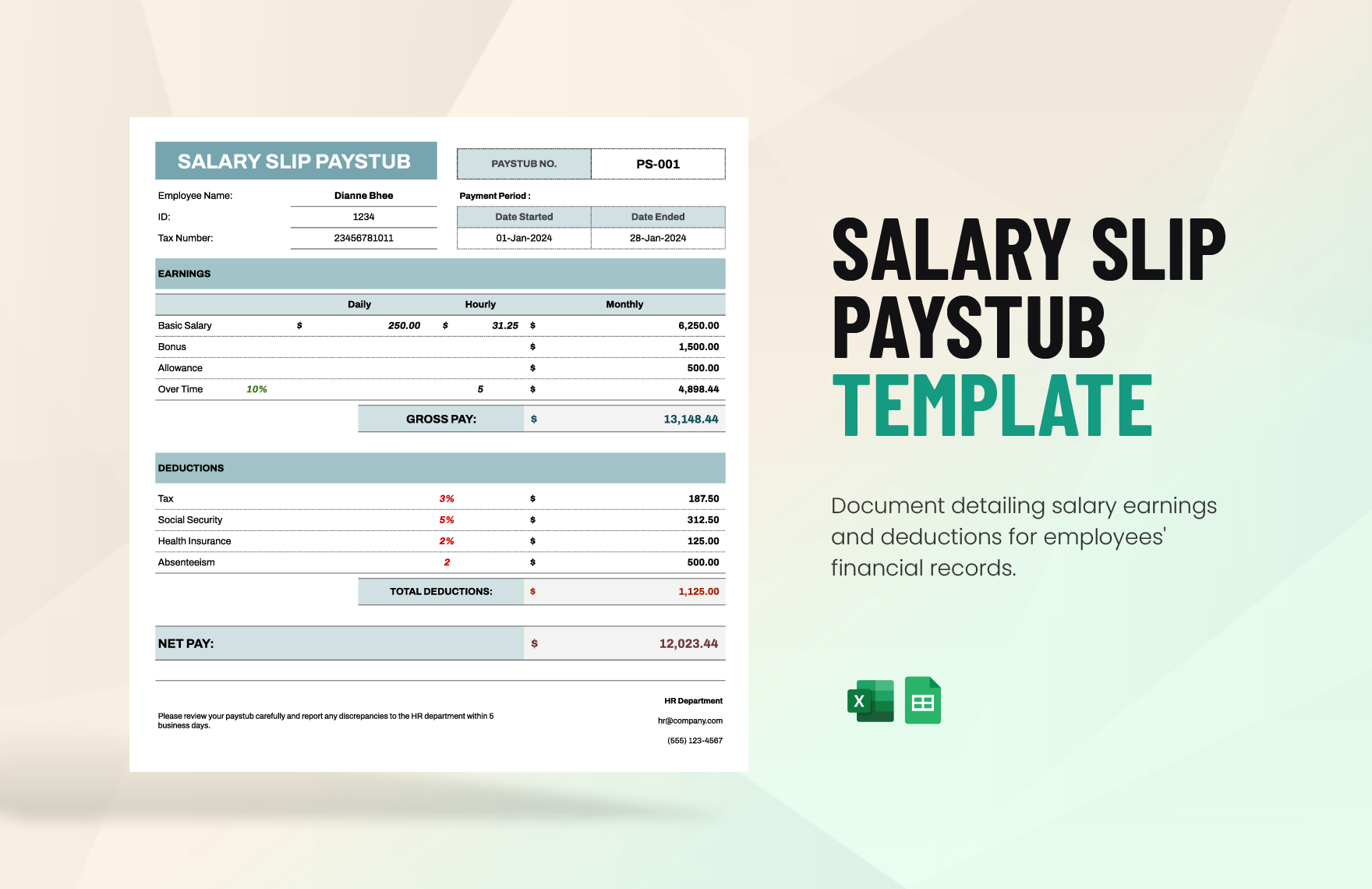
Pay slips serve multiple purposes within a business setting. They provide employees with a detailed account of their earnings and deductions, which is crucial for personal record keeping. By issuing pay slips, business owners can ensure that employees understand their compensation structure, including overtime, bonuses, and benefits. This clarity can mitigate disputes or misunderstandings regarding payments.
Moreover, pay slips are often required for tax purposes. They can serve as proof of income when employees apply for loans or other financial assistance. By using a printable template, you facilitate a consistent and professional approach to payroll management, which can enhance your business’s credibility.
Features of a Pay Slip Printable Template
When selecting or creating a pay slip printable template for record keeping, several key features should be included to maximize its utility:
- Employee Information: Include sections for employee name, ID number, and designation. This helps ensure the pay slip is easily identifiable.
- Payment Period: Clearly indicate the pay period covered by the slip, which is vital for both employers and employees.
- Earnings Breakdown: Include line items for regular hours, overtime, bonuses, and any other forms of compensation. This breakdown allows employees to see exactly how their pay is calculated.
- Deductions: Clearly list deductions for taxes, health insurance, retirement contributions, and any other withholdings. Transparency in deductions helps employees understand their take-home pay.
- Net Pay: Make it easy to identify the final amount the employee will receive after all deductions.
- Company Information: Include the business name, address, and contact information. This adds a professional touch and provides context for the document.
Customizing Your Template
Customization is key when utilizing a pay slip printable template for record keeping. Depending on your business needs, you may want to adjust certain elements of the template:
- Design and Layout: Choose a layout that is easy to read and understand. Simple designs often work best, as they allow the information to stand out without distractions.
- Color Coding: Implement color coding for different sections, such as earnings in green and deductions in red. This can help employees quickly grasp their financial information.
- Font Size and Style: Ensure that the font is legible. Using a standard font size and style helps maintain professionalism.
- File Format: Opt for a PDF format for your template as it preserves the layout and is compatible with most printers. This avoids any reformatting issues that can occur with other file types.
Downloading and Printing Your Template
Once you have customized your pay slip printable template for record keeping, the next step is downloading and printing it:
- Download the Template: Choose the appropriate file format, typically a PDF, to ensure compatibility with your printer and to maintain formatting integrity.
- Printer Settings: Adjust your printer settings to match the paper size you’re using. Common sizes include Letter (8.5 x 11 inches) or A4 (210 x 297 mm), depending on your location.
- Paper Quality: For a more professional appearance, consider printing on heavier paper or cardstock, especially if the pay slip will be handed out physically.
- Test Print: Conduct a test print to ensure everything appears correctly. Check that all information is clearly visible and properly aligned.
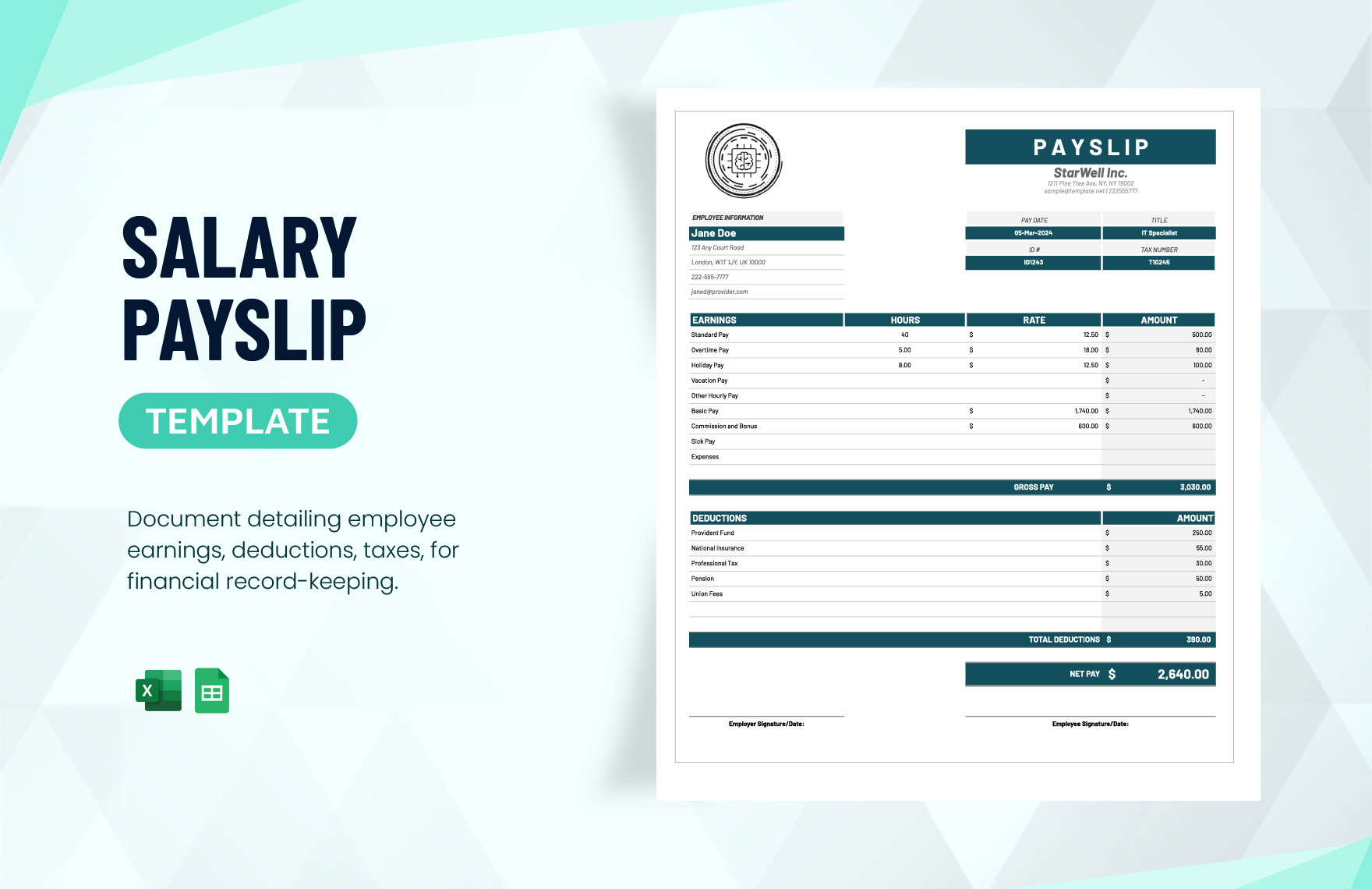
Best Practices for Record Keeping
Maintaining accurate records of pay slips is just as important as issuing them. Here are some best practices for record keeping:
- Storage: Store both physical and digital copies of pay slips securely. If using digital storage, consider cloud solutions for easy access and backup.
- Retention Period: Familiarize yourself with local laws regarding how long you must keep pay records. Generally, retaining documents for at least three to seven years is recommended.
- Regular Audits: Conduct periodic audits of payroll records to ensure accuracy and compliance. This can help identify any discrepancies early and maintain financial health.
Using a pay slip printable template for record keeping not only streamlines your payroll process but also enhances transparency and trust within your team. By customizing the template to fit your business needs and following best practices for record keeping, you create a reliable system that supports both your business operations and employee satisfaction.