Managing payments efficiently is crucial for any small business. A Business Printable Payment Slip With Three Per Page is an effective tool for streamlining transactions and keeping your finances organized. This resource allows you to easily track payments from clients or customers, ensuring clarity and simplicity in managing your cash flow.
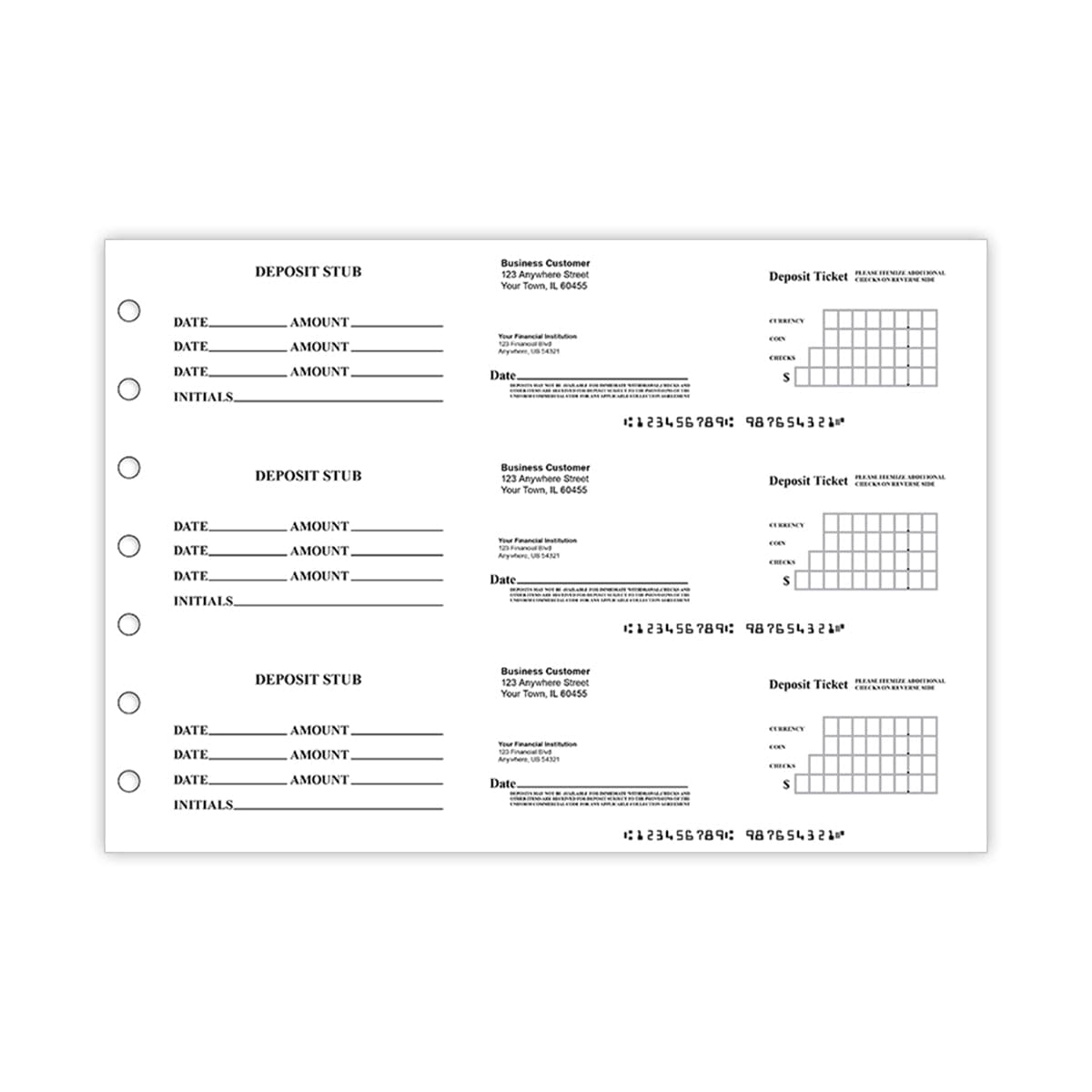
Understanding the Business Printable Payment Slip
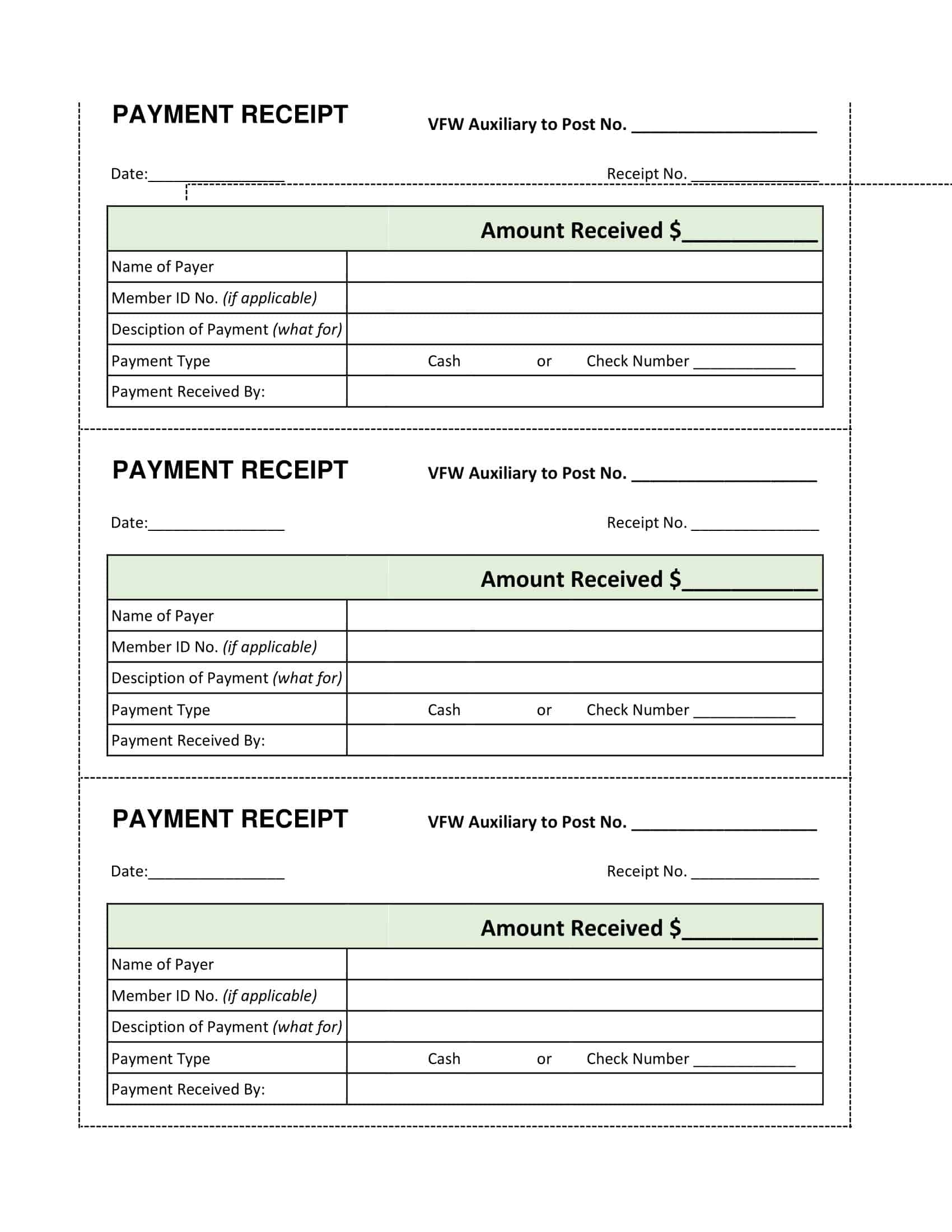
A payment slip serves as a receipt for payments made and can be used across various industries. The format with three slips per page maximizes paper usage, making it cost-effective for small businesses. Each slip typically includes essential fields such as the date, amount, payer’s name, and a signature line for acknowledgment. This standardized format helps maintain professionalism in your transactions and provides a clear record for both you and your clients.
How to Use the Payment Slip Effectively
Using the payment slip is straightforward. After downloading the template, print it on standard letter-size paper (8.5 x 11 inches). Ensure your printer settings are correctly adjusted to avoid any formatting issues. When filling out the slips, include the following details:
- Date of Payment: Always document when the payment was made.
- Payer’s Information: Write down the name and contact details of the individual or business making the payment.
- Payment Amount: Clearly state how much was paid.
- Payment Method: Specify whether the payment was made in cash, check, or another method.
- Signature Line: Leave space for a signature to acknowledge receipt.
By keeping your slips organized and consistently filled out, you can easily track your income and provide clients with a professional acknowledgment of their payment.
Tips for Printing and Storing Your Payment Slips
When preparing to print your Business Printable Payment Slip With Three Per Page, consider the following practical tips:
- Use Quality Paper: For a more durable slip, consider using cardstock. This material holds up better than standard printer paper, especially if slips are frequently handled.
- Check Print Settings: Print a test page first. Ensure that your printer is set to the correct paper size and orientation (portrait layout is typically best). This helps avoid wasted paper and ensures all text appears as intended.
- Storage Solutions: After printing, store your slips in a dedicated folder or binder. This keeps them organized and easily accessible when needed.
- Digital Backup: Consider saving a digital copy of the filled slips. Scanning completed slips provides an additional layer of record-keeping, ensuring you have backups in case of physical loss.
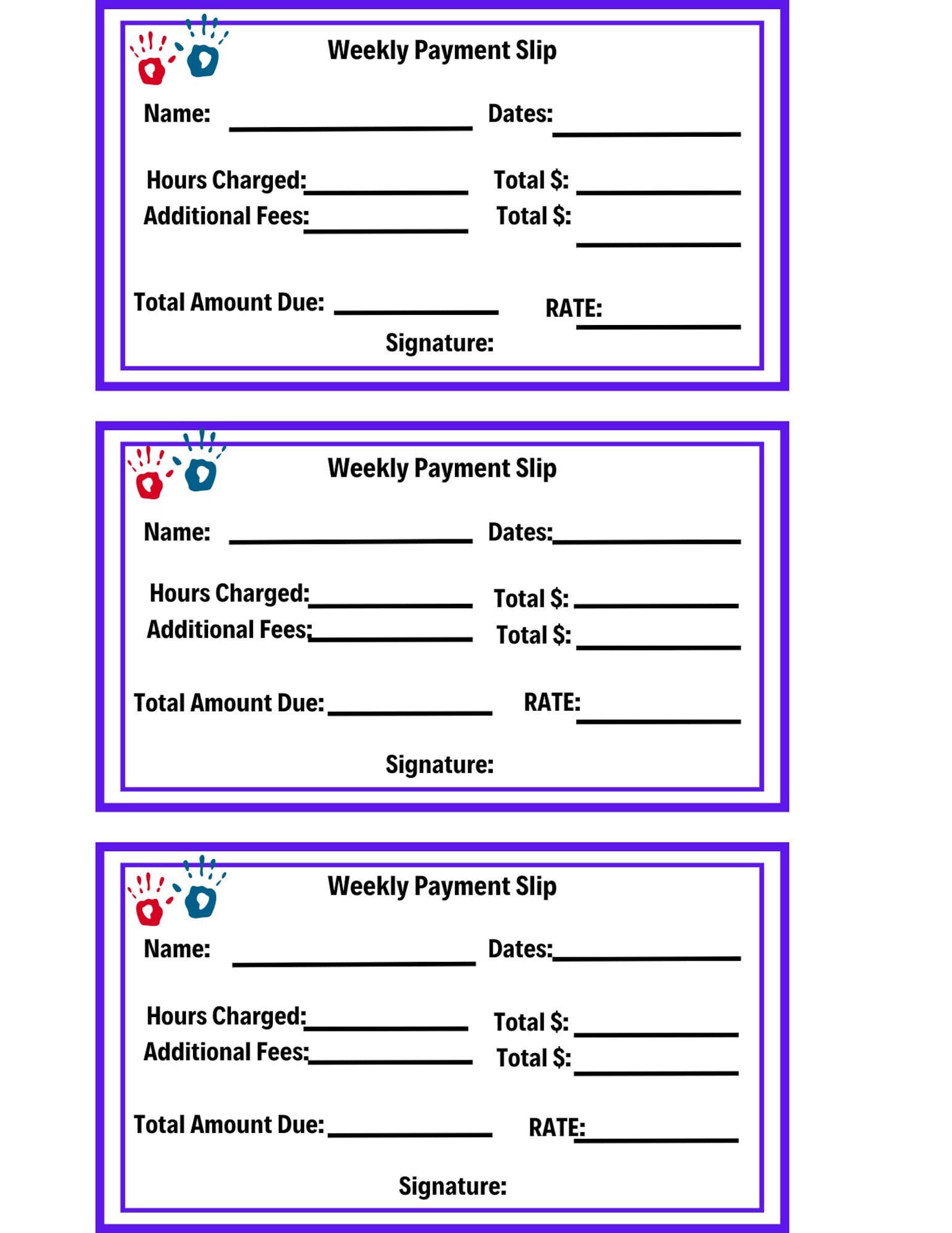
Integrating Payment Slips Into Your Business Workflow
Incorporating the payment slip into your daily business routine can enhance your overall efficiency. Here’s how to do it effectively:
- Set a Payment Policy: Clearly communicate your payment terms to clients. Let them know when and how they should make payments and inform them that they will receive a payment slip upon payment completion.
- Train Staff: If you have employees, ensure they understand how to fill out and distribute the payment slips. Consistency across your team helps maintain professionalism and reduces errors.
- Review Regularly: Periodically review your payment slips to ensure they are filled out correctly and to identify any patterns in payments, such as late payments or frequent discrepancies. This analysis can help in making informed decisions about your cash flow management.
Using a Business Printable Payment Slip With Three Per Page is a simple yet effective way to manage payments. By following the steps outlined above, you can enhance your business’s financial tracking and maintain a professional image. As a practical tip, always keep a few printed slips available at your workspace for quick access during transactions.