Creating a clear and professional payment slip can significantly streamline financial transactions for small businesses. The Basic Printable Payment Slip Design is a practical tool that helps maintain organized records of payments received. This resource typically comes in a standard size of 8.5 x 11 inches, making it easy to print using most home or office printers.
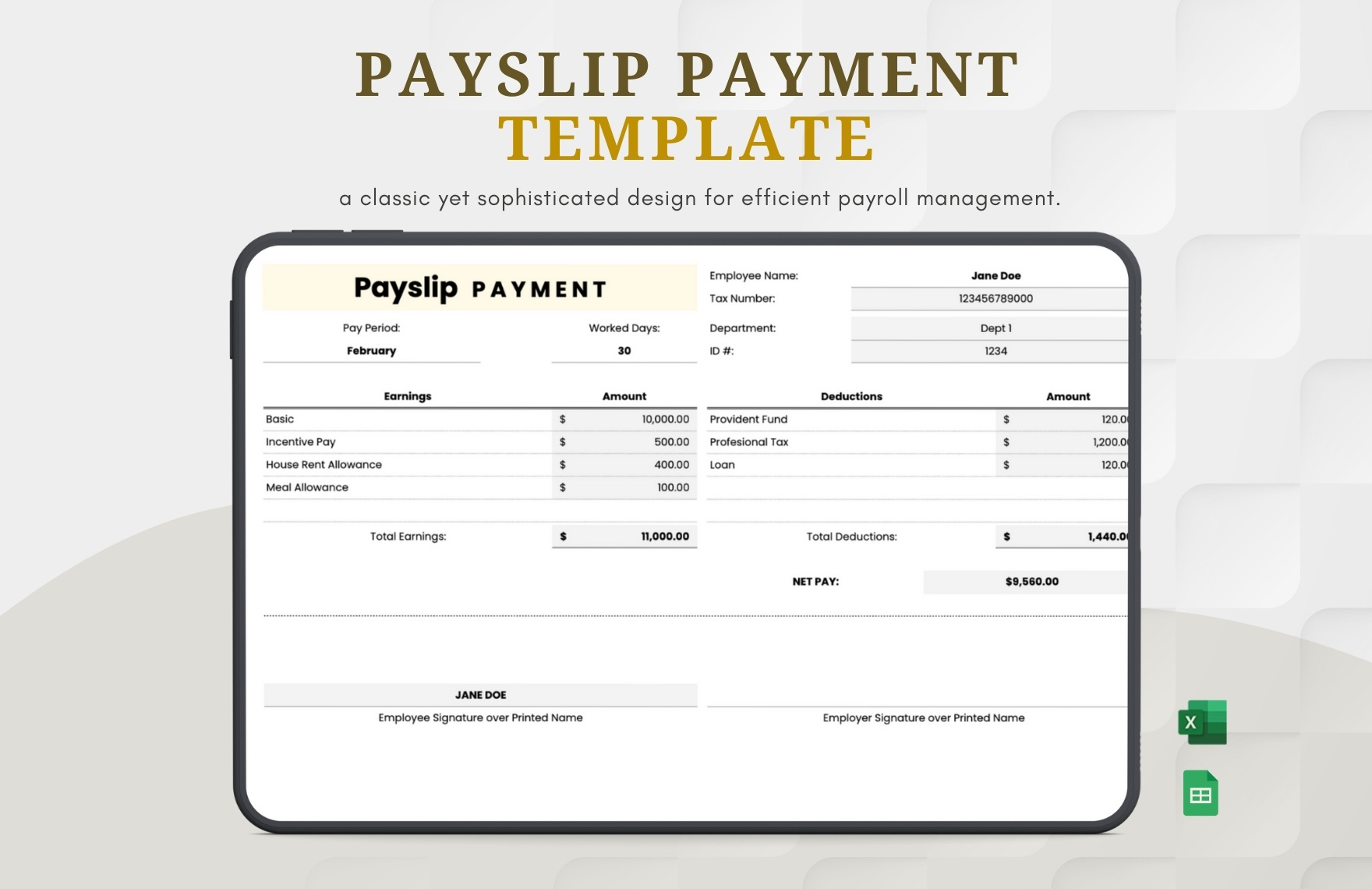
Understanding the Layout of a Payment Slip
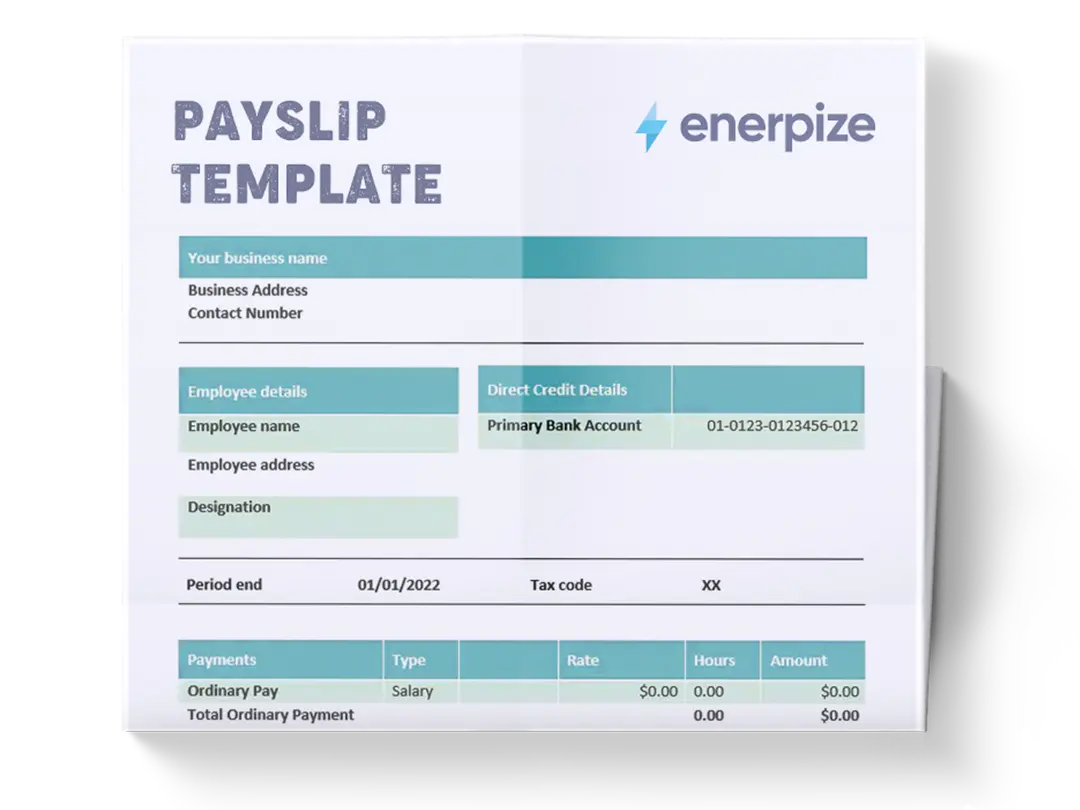
A well-designed payment slip has several key sections that facilitate clarity and usability. The layout generally includes fields for the payer’s information, payment amount, date, and purpose of payment.
- Payer Information: This section typically requests the name and contact details of the individual or business making the payment. Including this information not only helps in record-keeping but also ensures that any questions regarding the payment can be addressed promptly.
- Payment Amount: Clearly stating the amount being paid is crucial. This field often has a line where the amount can be written in both numbers and words to avoid confusion.
- Date: Including the date of the transaction helps both parties track payments over time. This field is usually placed near the top of the slip for easy visibility.
- Purpose of Payment: This section allows the payer to specify what the payment is for, whether it’s for services rendered, products purchased, or any other reason. This clarity can assist in financial reporting and auditing.
- Signature Line: A designated area for the payer’s signature adds an extra layer of authenticity and can be particularly useful in disputes.
Customizing Your Payment Slip
While the Basic Printable Payment Slip Design provides a solid foundation, customization can enhance its effectiveness. Here are a few practical tips for personalizing the design:
- Branding: Adding your business logo at the top of the slip not only makes it look professional but also reinforces your brand identity with every transaction.
- Color Schemes: Using your business’s color palette can make the payment slip more visually appealing. Consider using subtle colors that enhance readability without distracting from the essential information.
- Font Choices: Choose clear, professional fonts that are easy to read. Avoid overly decorative fonts that might make the slip look unprofessional.
- Additional Notes Section: Including a space for extra notes can help clarify specific details about the transaction, such as payment terms or additional instructions.
Printing and Usage Tips
Once you have customized your Basic Printable Payment Slip Design, it’s time to print and use it effectively. Here are some helpful tips:
- Paper Quality: Using thicker paper, such as cardstock, can enhance the durability of the payment slips, especially if they will be handled frequently. This is particularly important for businesses that require physical records.
- Printer Settings: Ensure your printer is set to the correct paper size (8.5 x 11 inches) and quality settings to achieve a professional look. Portrait layout typically works best for payment slips.
- Digital Copies: Consider saving a digital version of the completed payment slips. This can be handy for record-keeping and can help in tracking transactions over time.
- Distribution: Provide physical payment slips during transactions, or consider sending them via email if payments are made online. This flexibility can cater to various customer preferences.
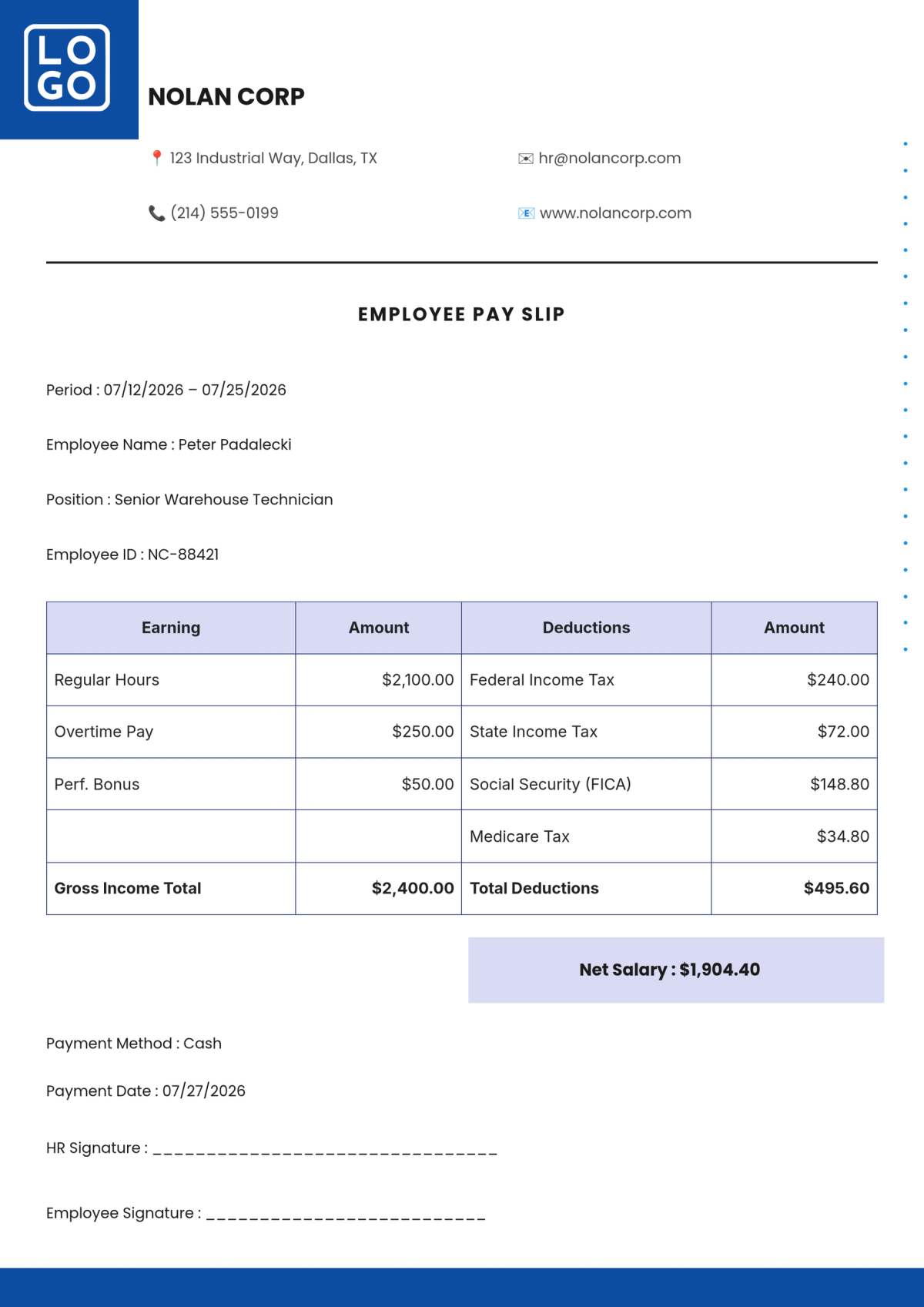
Keeping Track of Payments
Utilizing the Basic Printable Payment Slip Design doesn’t just end with printing. It’s essential to maintain a record of all payments received. Here are some strategies for effective tracking:
- Record Keeping: Create a dedicated folder for payment slips, whether physical or digital. This organization helps streamline your accounting process and makes it easier to find specific transaction records when needed.
- Accounting Software: If your business uses accounting software, input the payment details from the slips directly into the system. This practice helps maintain accurate financial records and can simplify end-of-year tax preparation.
- Follow-up System: Consider establishing a follow-up system for outstanding payments. This could involve sending reminders or setting up alerts within your accounting system to notify you of due payments.
The Basic Printable Payment Slip Design serves as a fundamental resource for small businesses managing transactions. By customizing the design, ensuring proper printing, and maintaining organized records, businesses can enhance their financial operations and improve customer interactions. A crucial detail to remember is to always keep a copy of each slip for your records, as this can save time and effort when reconciling accounts.