Managing finances in small businesses can be challenging, especially when it comes to keeping track of payments. A Blank Printable Payment Slip Document is an essential tool that can help simplify this process. It provides a clear and organized way to document transactions, making it easier for both the business owner and the customer to keep records. This guide will explain how to effectively use this resource, ensuring your financial dealings remain efficient and transparent.
What is a Blank Printable Payment Slip Document?
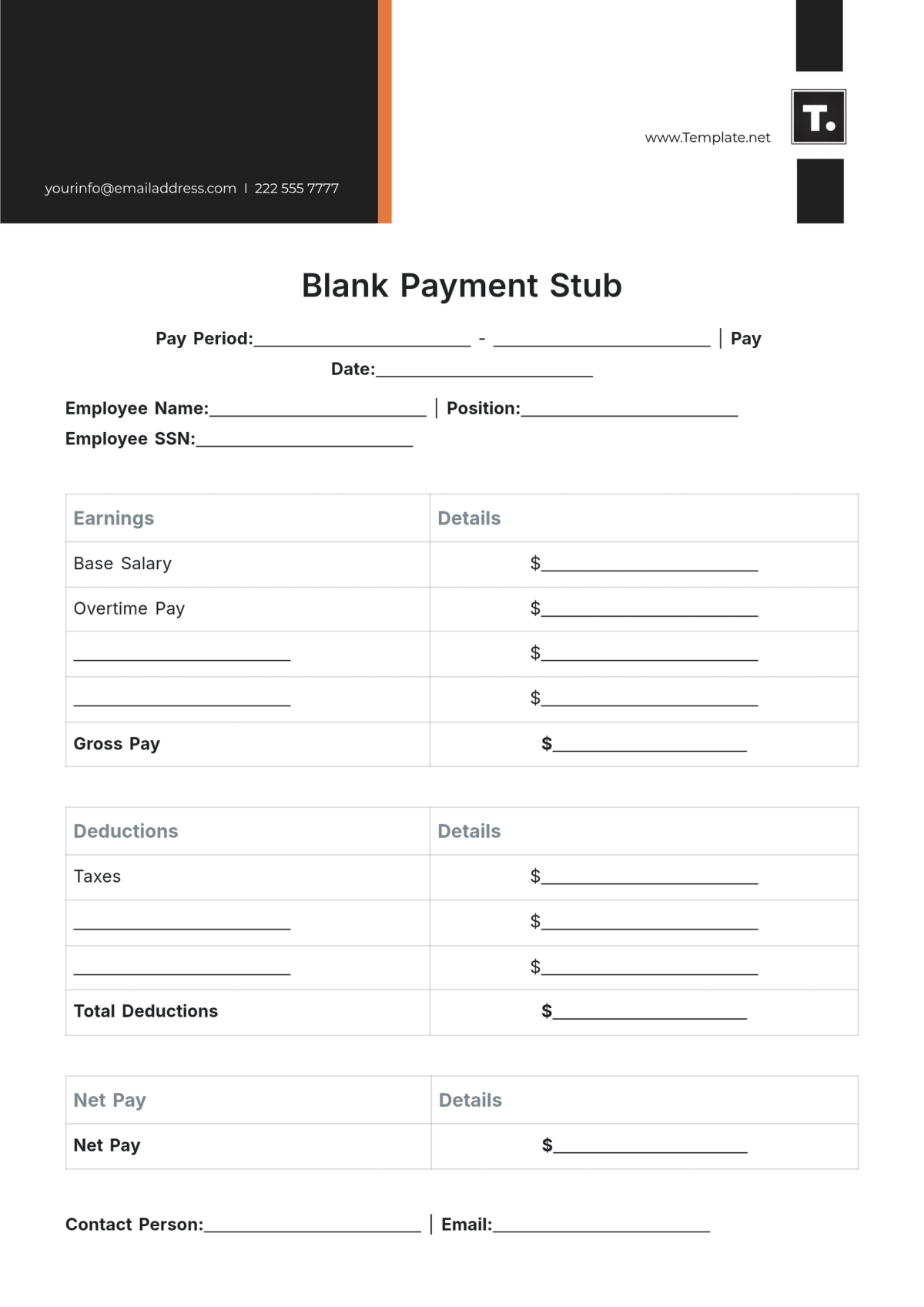
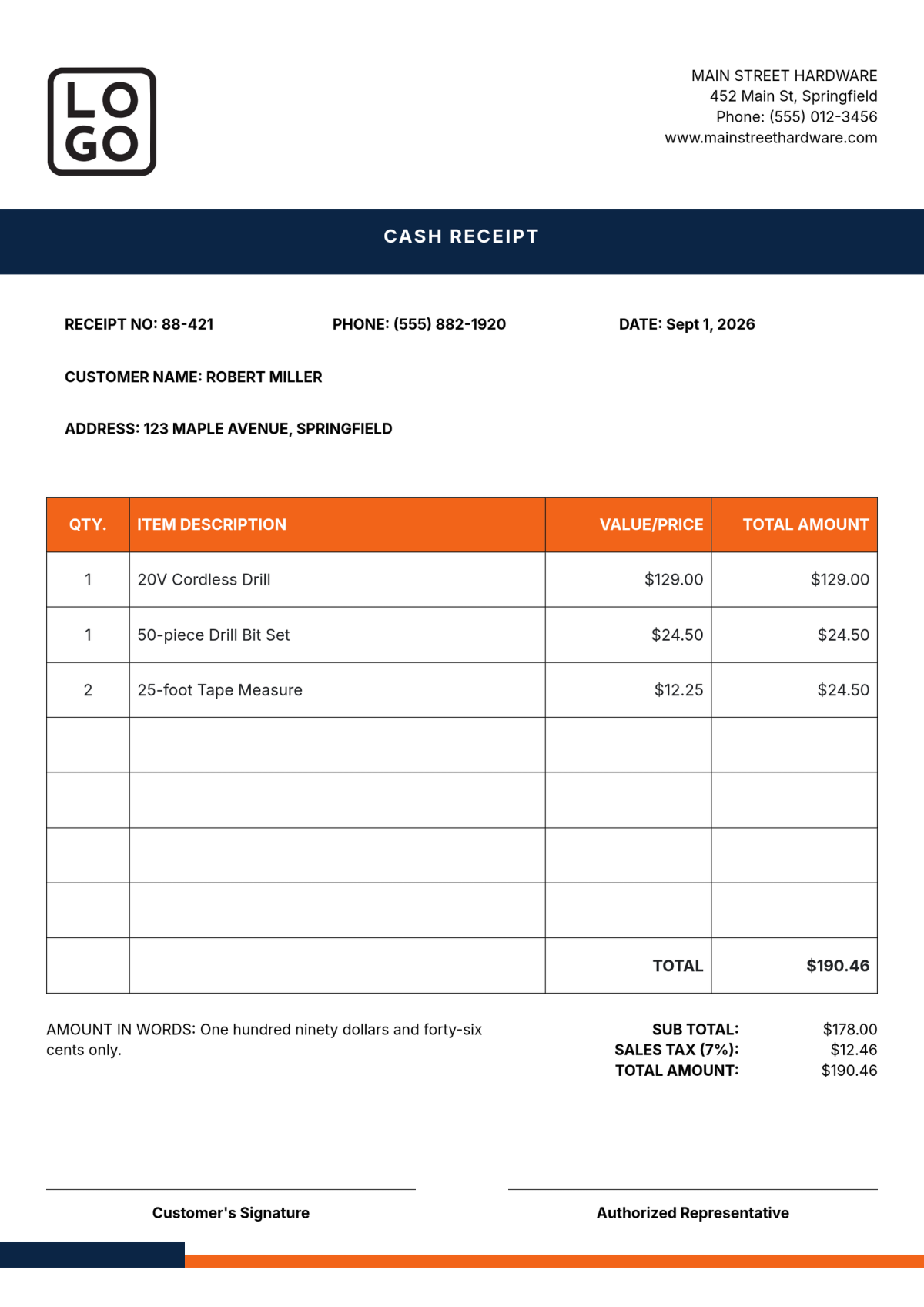
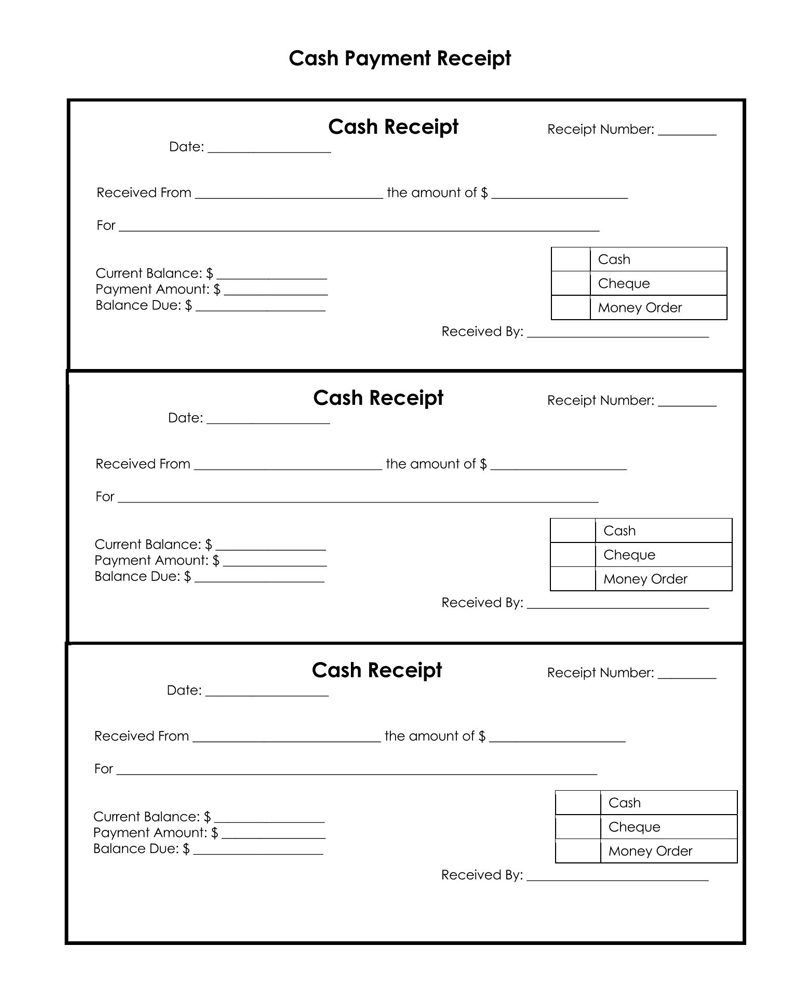
A Blank Printable Payment Slip Document is essentially a form that allows you to record payment details in a structured format. It typically includes fields for the date, amount, payment method, and a space for both the payer’s and payee’s information. Having this document readily available can help you manage cash flow, track expenses, and maintain accurate financial records.
Who Can Benefit From Using This Document?
Small business owners, freelancers, and contractors can greatly benefit from using a Blank Printable Payment Slip Document. If you frequently receive payments in cash, checks, or through electronic methods, this document can help you maintain a clear record of each transaction. It’s particularly useful for service-based businesses where payments may vary from one client to another, ensuring that every transaction is documented for future reference.
How to Use a Blank Printable Payment Slip Document
Using a Blank Printable Payment Slip Document is straightforward. Here’s how to make the most of it:
- Download and Print: Start by downloading the template from a reliable printable-resource website. Ensure the document is in a PDF format to avoid any reformatting issues when printing. Use standard paper sizes like letter (8.5 x 11 inches) or A4 for easy printing.
- Fill in the Details: Each time you receive a payment, fill in the slip with the necessary details. Include:
- Date of Payment: This helps in tracking when the payment was made.
- Payer’s Information: Record the name and contact details of the person or business making the payment.
- Payment Amount: Clearly state how much was paid.
- Payment Method: Indicate whether the payment was made via cash, check, or electronic transfer.
- Signature: Both parties should sign the document to acknowledge the transaction.
- Provide a Copy: Always provide a copy of the payment slip to the payer. This not only serves as a receipt for them but also reinforces your professionalism and commitment to transparency.
- Store for Records: Keep a copy of each payment slip for your records. Organizing these slips chronologically can make it easier to reference past transactions when needed.
Best Practices for Using Payment Slips
To maximize the effectiveness of a Blank Printable Payment Slip Document, consider these best practices:
- Consistency: Use the payment slip for every transaction, no matter how small. Consistent usage helps maintain thorough records.
- Digital Storage: If you prefer digital records, scan the completed payment slips and save them in a secure folder on your computer. This can prevent loss and make retrieval easier.
- Review Regularly: Regularly review your payment slips to ensure all transactions have been accounted for in your financial records. This can help identify any discrepancies early on.
Common Questions About Payment Slips
It’s common to have questions when starting with a new resource like a Blank Printable Payment Slip Document. Here’s a quick answer to a likely follow-up question:
Can I customize the payment slip template?
Yes, many printable resources allow you to customize the template. You might want to add your business logo, change the color scheme, or adjust the layout to fit your branding. Just ensure that all necessary fields for documentation remain intact.
By implementing a Blank Printable Payment Slip Document into your financial tracking routine, you can enhance your business’s organization and professionalism. This small but impactful tool can lead to smoother operations and improved client relationships, ultimately contributing to your business’s success.