Managing personal finances can be overwhelming. One tool that can simplify your bookkeeping process is the Blank Printable Payment Slip For Bookkeeping. This resource is perfect for anyone looking to keep track of payments made and received in a clear, organized manner. Whether you’re a freelancer, a small business owner, or simply managing your household expenses, a payment slip can help you stay on top of your finances with ease.
What is a Blank Printable Payment Slip?
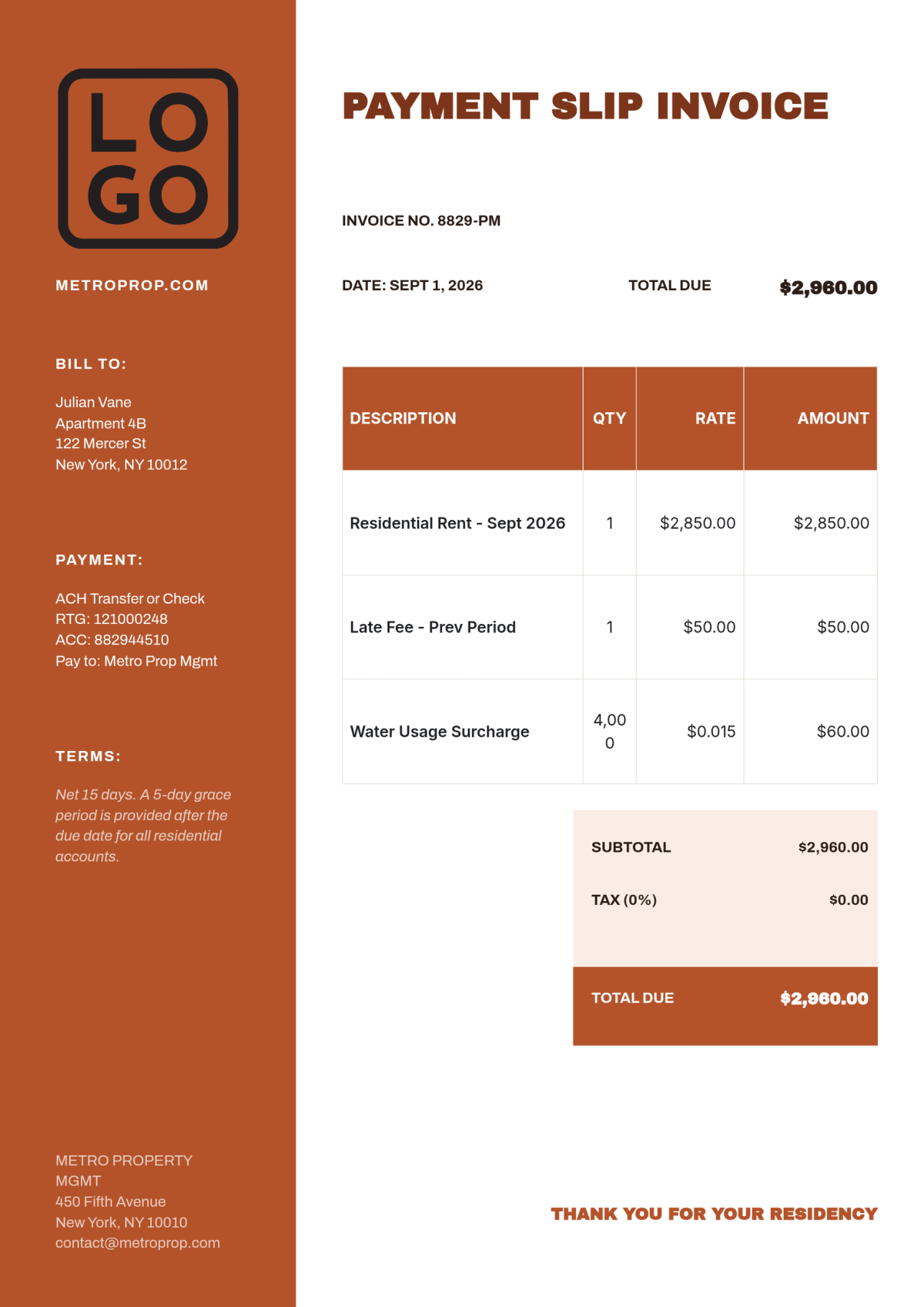
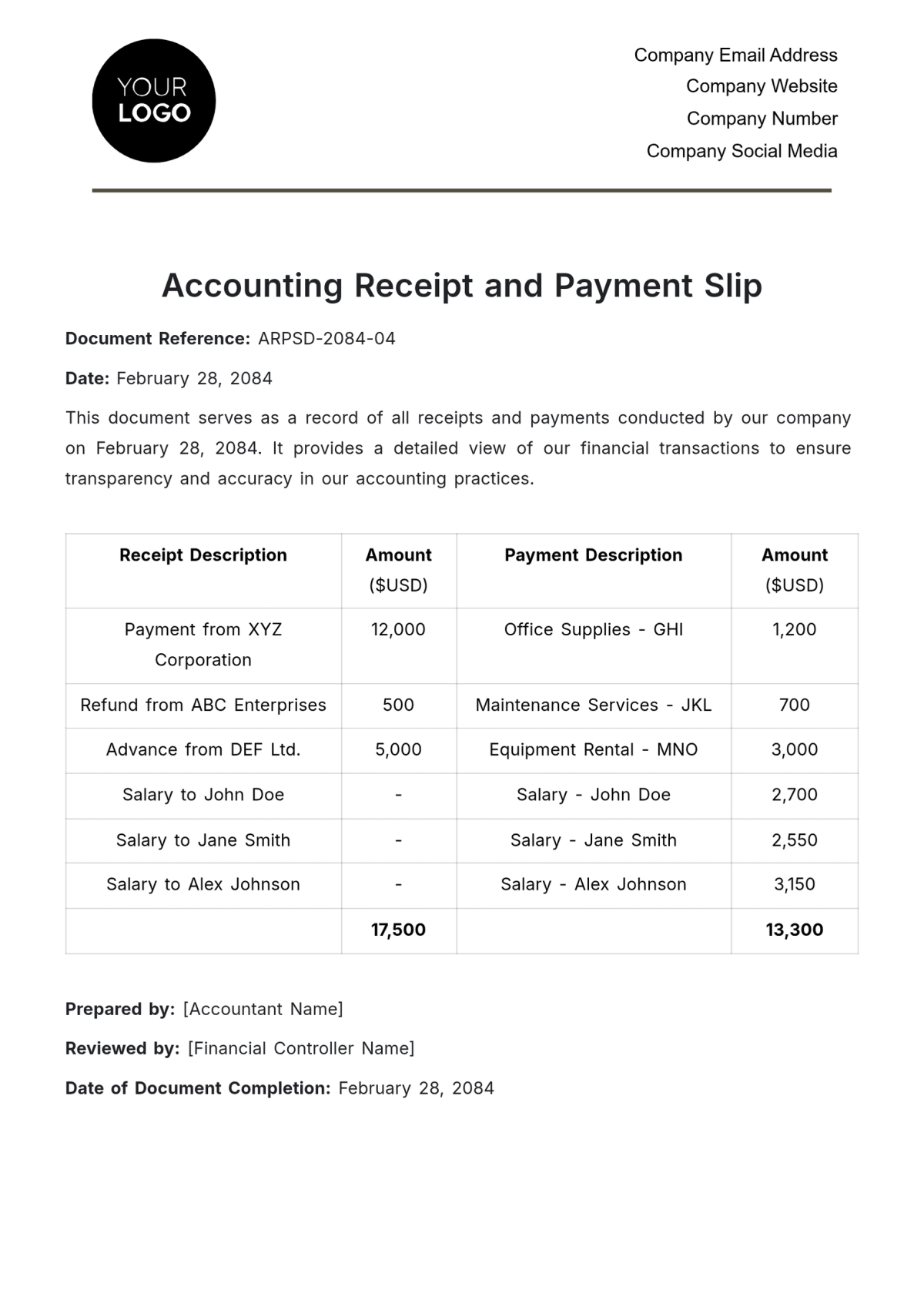
A Blank Printable Payment Slip is a document designed to record payment transactions in an organized format. It typically includes fields for the date, payer’s name, payment amount, payment method, and a space for notes or references. This slip not only serves as a receipt for the payer but can also be a valuable record for your bookkeeping needs. By having a printable version, you can quickly jot down payment details and keep everything documented without needing advanced software or tools.
Why Use a Payment Slip for Bookkeeping?
Using a payment slip can enhance your bookkeeping in several ways:
- Organization: Keeping a record of payments helps you track cash flow, ensuring you know who paid, when, and how much.
- Transparency: Providing a payment slip to clients or family members helps maintain clear communication about financial transactions.
- Record Keeping: Having a physical document or a digital file can be useful for future reference, tax purposes, or audits.
These benefits make the Blank Printable Payment Slip For Bookkeeping an essential tool for anyone serious about managing their finances effectively.
How to Use the Blank Printable Payment Slip
Using a payment slip is straightforward. Here’s a step-by-step guide on how to make the most of this resource:
- Download the Template: Start by downloading the Blank Printable Payment Slip template from a reliable source. Ensure it’s in a format that suits your needs, typically PDF or Word.
- Print the Slip: Use standard letter-sized paper (8.5″ x 11″) for printing. If you want a more durable version, consider using cardstock. Most home printers handle this type of paper well, so you won’t have to worry about compatibility.
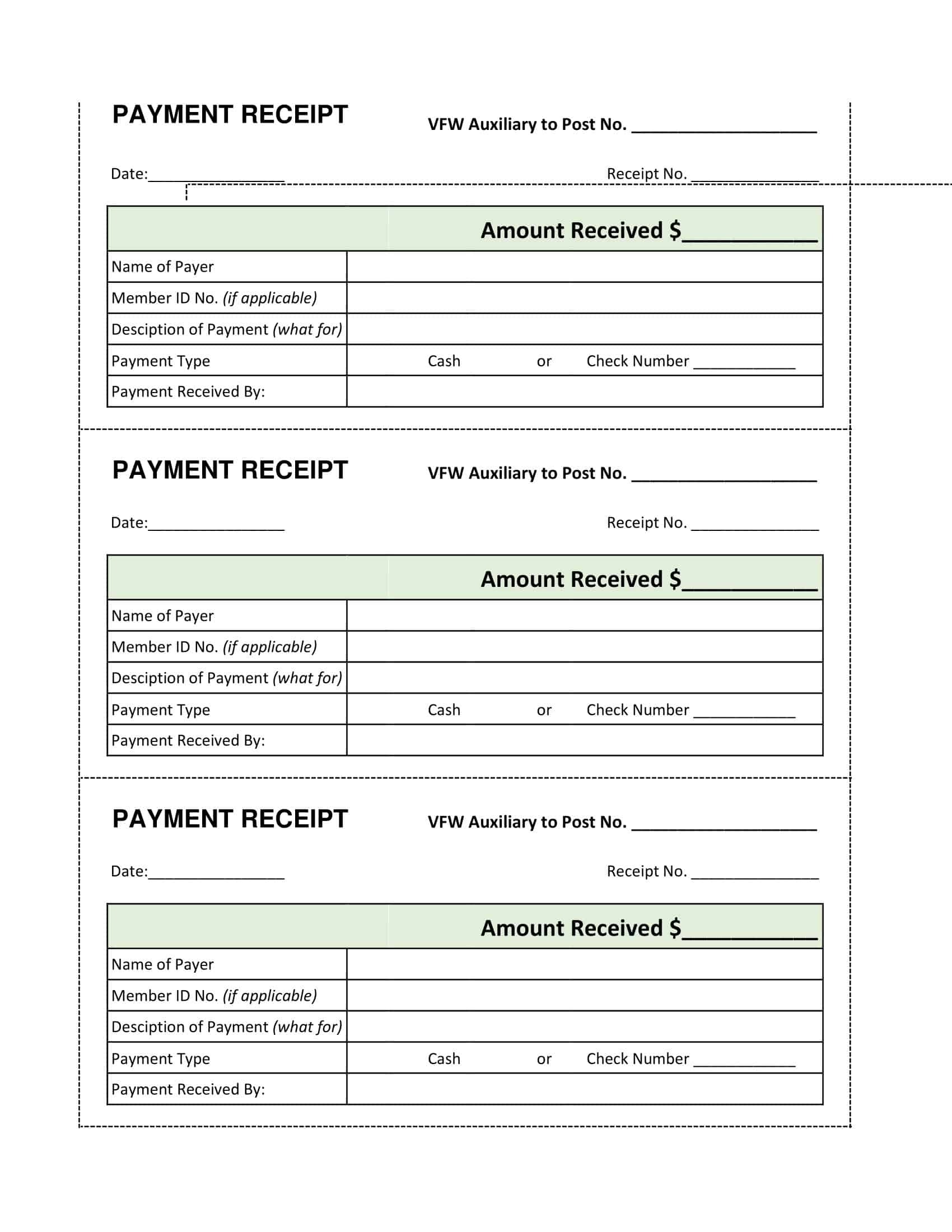
- Fill in the Details: When receiving or making a payment, fill in the relevant details:
- Date: The date of the transaction.
- Payer’s Name: Who made the payment.
- Amount: The total payment amount.
- Payment Method: Specify if it was cash, check, or another method.
- Notes: Include any additional information relevant to the transaction.
- Distribute Copies: If you’re dealing with clients, give them a copy of the slip for their records. Keep a copy for your own bookkeeping.
- File the Slips: Store completed payment slips in a designated folder, either physically or digitally. This makes it easier to reference them later when needed.
Customizing Your Payment Slip
While the Blank Printable Payment Slip For Bookkeeping is designed to be straightforward, customizing it can enhance its usefulness. Here are a few tips for customization:
- Add Your Logo: If you’re a business owner, adding your logo can give the payment slip a professional touch.
- Include Terms and Conditions: If applicable, you can add payment terms or conditions at the bottom of the slip.
- Change the Format: Tailor the layout to suit your style or needs, whether you prefer a portrait or landscape orientation.
These small changes can make the payment slip more aligned with your personal or business branding.
Next Steps After Downloading
Once you have your Blank Printable Payment Slip For Bookkeeping downloaded, it’s time to put it into action. Start by reviewing any payments you’ve made recently and create slips for them. This immediate action will help you get into the habit of using this tool consistently.
You can also consider integrating this slip into your regular financial routine. For instance, set aside time each week to update your records using the slips. This proactive approach will not only help you stay organized but also give you a clearer picture of your financial health moving forward.
With the right tools and practices in place, managing your finances can become a more manageable task, allowing you to focus on achieving your financial goals.