Keeping track of payments can be a daunting task, especially if you’re managing multiple transactions. A Blank Printable Payment Slip For Payment Tracking is an excellent resource for anyone looking to maintain clear records of their financial dealings. This printable slip allows you to document payments efficiently and can be used for various purposes, whether for personal use or small business transactions.
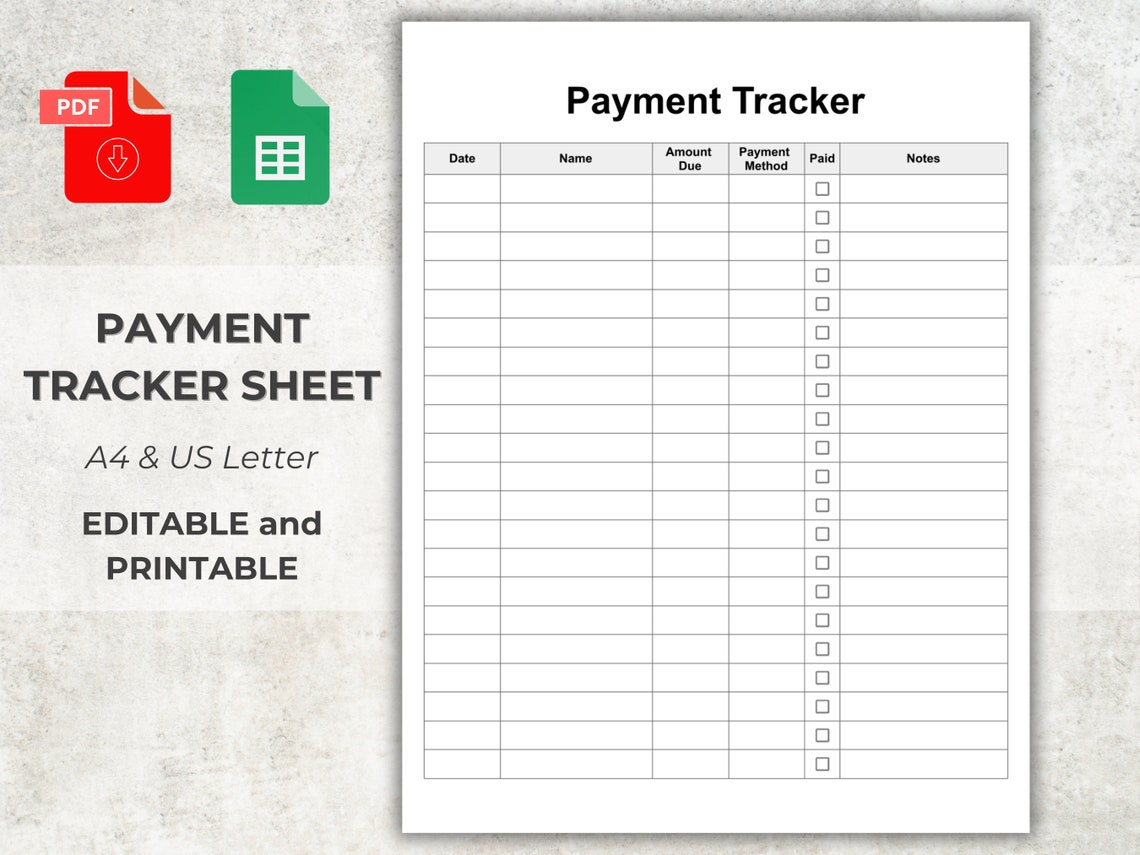
What is a Blank Printable Payment Slip?
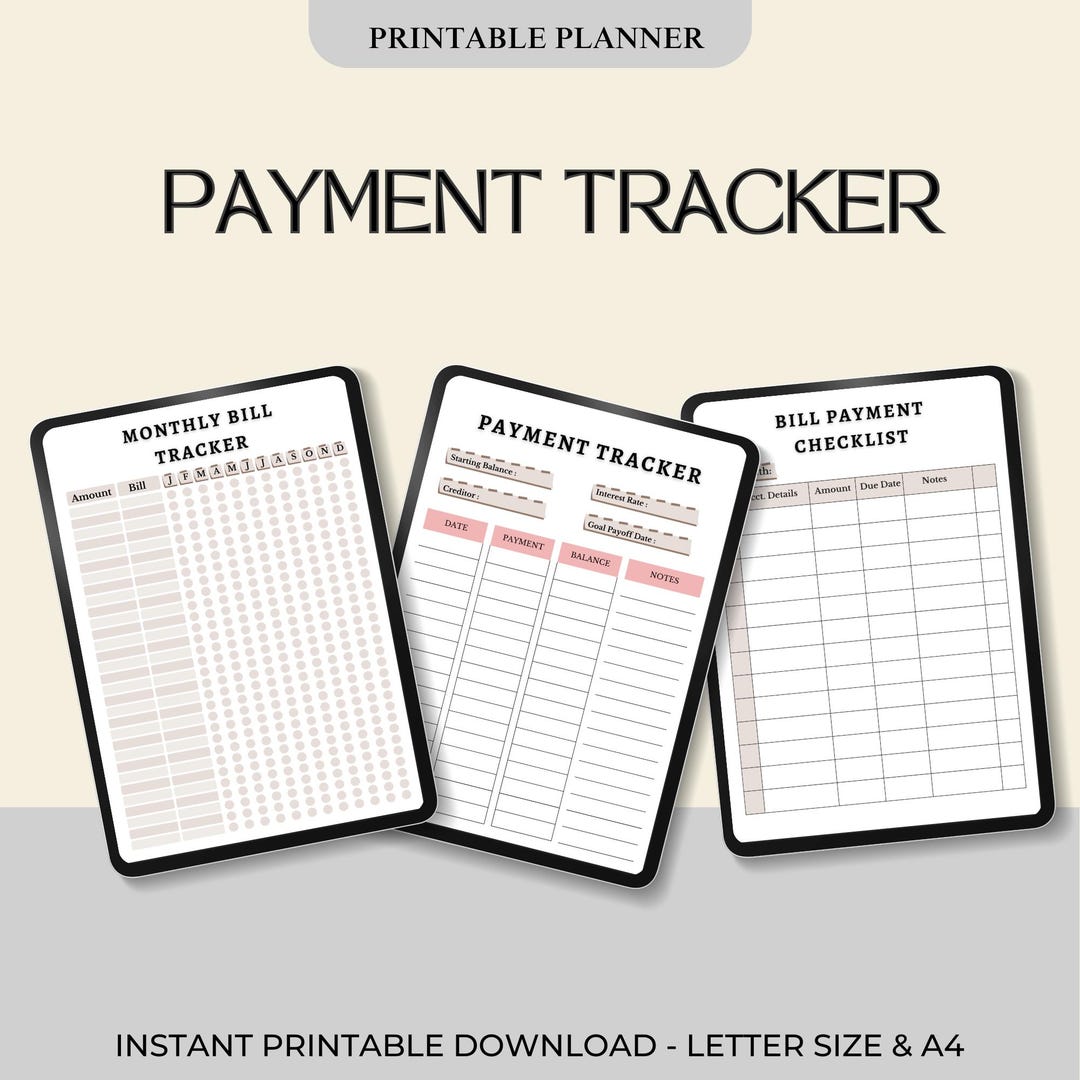
A Blank Printable Payment Slip is a customizable document designed to help you record payment details. It typically includes sections for the date, payer information, amount paid, payment method, and a space for notes. This resource is perfect for individuals, freelancers, or small business owners who need a straightforward way to track their payments.
Who Can Benefit From Using a Payment Slip?
If you’re managing your own finances, a payment slip can be invaluable. Here are a few scenarios where this printable can help:
- Freelancers and Contractors: If you provide services and need to keep track of payments from clients, a payment slip can help you maintain accurate records.
- Small Business Owners: For small retail businesses or service providers, using a payment slip simplifies the tracking of transactions and cash flow.
- Personal Finance Management: If you’re managing household expenses or personal loans, a payment slip helps you stay organized and ensures that you don’t miss any payments.
How to Use the Blank Printable Payment Slip
Using a Blank Printable Payment Slip is straightforward. Here’s a step-by-step guide to make the most out of it:
- Download and Print: Start by downloading the payment slip template from a reputable website. Make sure to choose a format that suits your printer settings, typically a PDF works best to avoid reformatting issues. Print on standard A4 or letter-sized paper for the best results.
- Fill in the Details: Enter the required information:
- Date: When the payment is made.
- Payer Information: Name and contact details of the person or company making the payment.
- Amount: Clearly state the amount received.
- Payment Method: Indicate whether it’s cash, check, or electronic transfer.
- Notes: Use this section for any additional information, such as invoice numbers or specific services rendered.
- Keep a Copy: After filling it out, make sure to keep a copy for your records. This can be beneficial for future reference or in case of disputes.
- Organize Your Payment Records: Create a dedicated folder, either physical or digital, to store all your payment slips. This will help you quickly access your payment history when needed.
Tips for Effective Payment Tracking
To enhance your payment tracking system further, consider the following tips:
- Use Color-Coded Folders: If you’re using paper slips, color-coding your folders can help you quickly identify different types of payments or clients.
- Set Reminders: Use digital tools or calendars to set reminders for due payments, ensuring that you never miss a deadline.
- Review Regularly: Make it a habit to review your payment records weekly or monthly. This will help you stay on top of your finances and spot any discrepancies early.
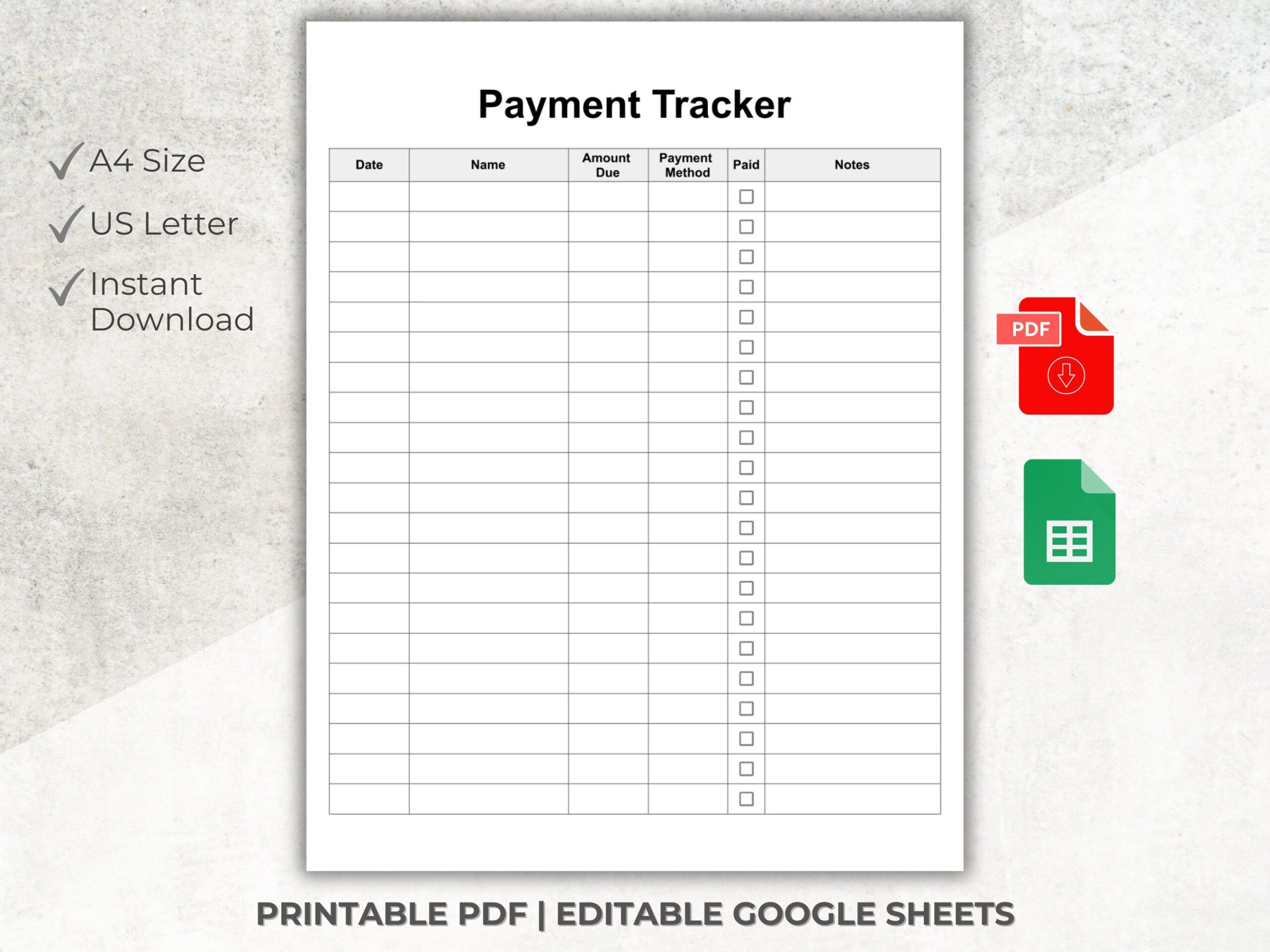
Customizing Your Payment Slip
One of the great features of a Blank Printable Payment Slip is its customizability. You can tailor it to fit your specific needs:
- Add Your Logo: If you’re a business owner, consider adding your logo to the payment slip for a professional touch.
- Adjust the Layout: Depending on your preferences, you might want to rearrange sections or add additional fields that are relevant to your transactions.
- Consider Different Formats: If you often need to send payment slips electronically, consider creating a digital version that can be filled out and sent via email.
Once you have your Blank Printable Payment Slip For Payment Tracking ready, you’ll find that managing your payments becomes a lot easier. Printing it out and using it regularly will help keep your financial records organized and up to date, allowing you to focus on your goals without worrying about missed payments or disorganized records.