Managing finances is critical for any small business. One of the key components of effective financial management is maintaining accurate transaction records. A Business Printable Payment Slip For Transaction Records serves as a reliable tool for tracking payments between parties. It streamlines the payment process, ensures clarity, and provides a physical document for your records. explore how to utilize this resource effectively, its benefits, and tips for best practices.
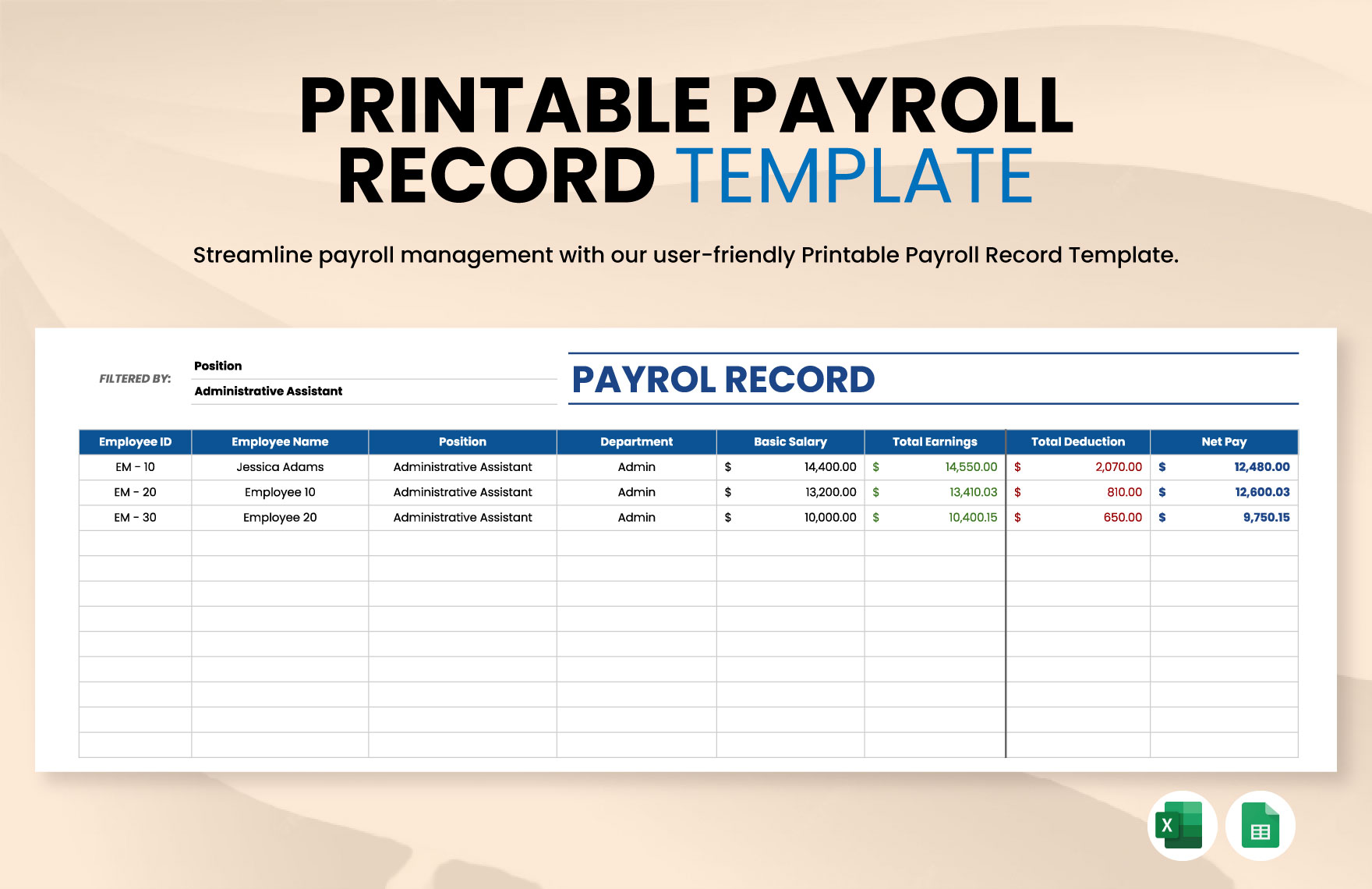
What is a Business Printable Payment Slip?
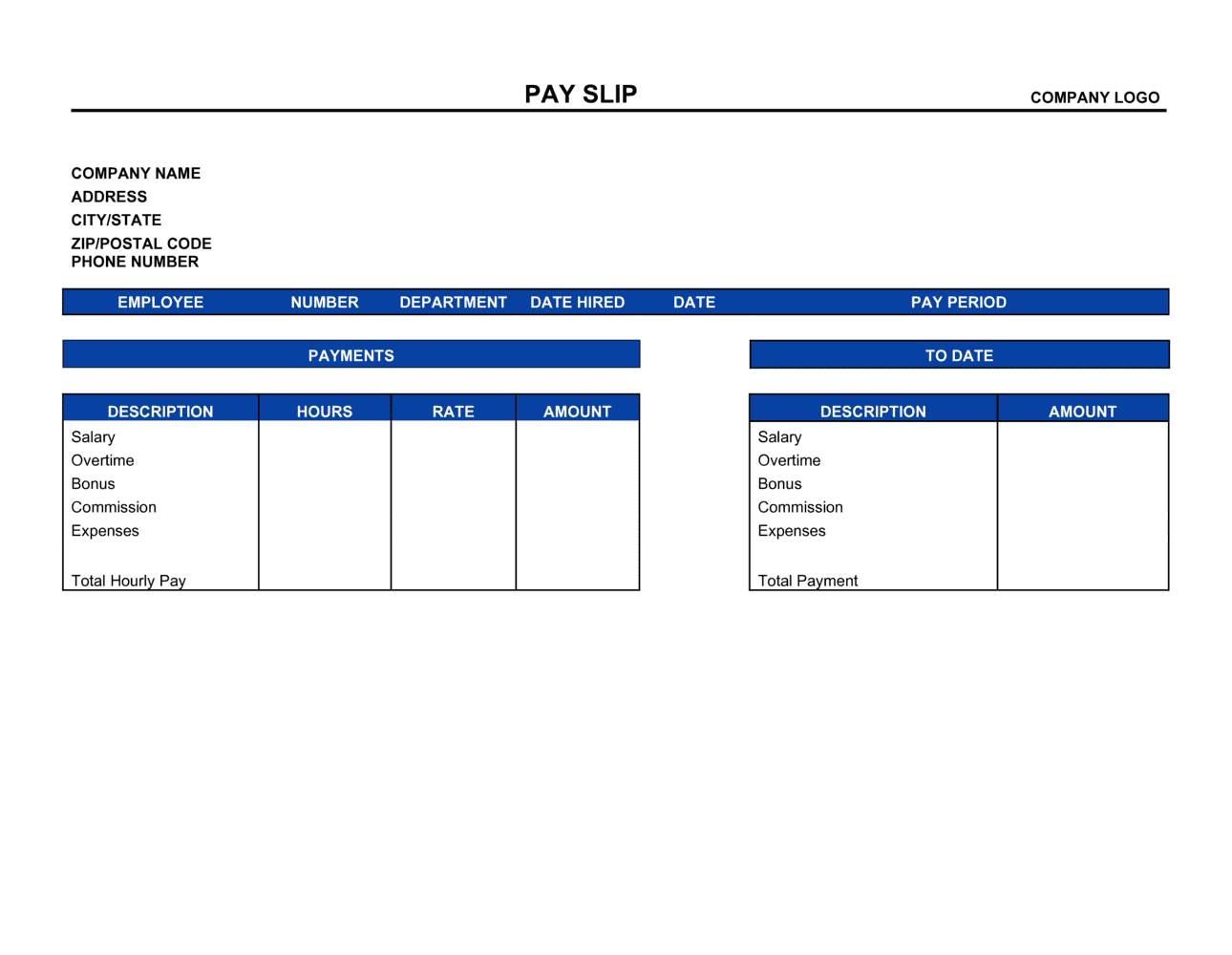
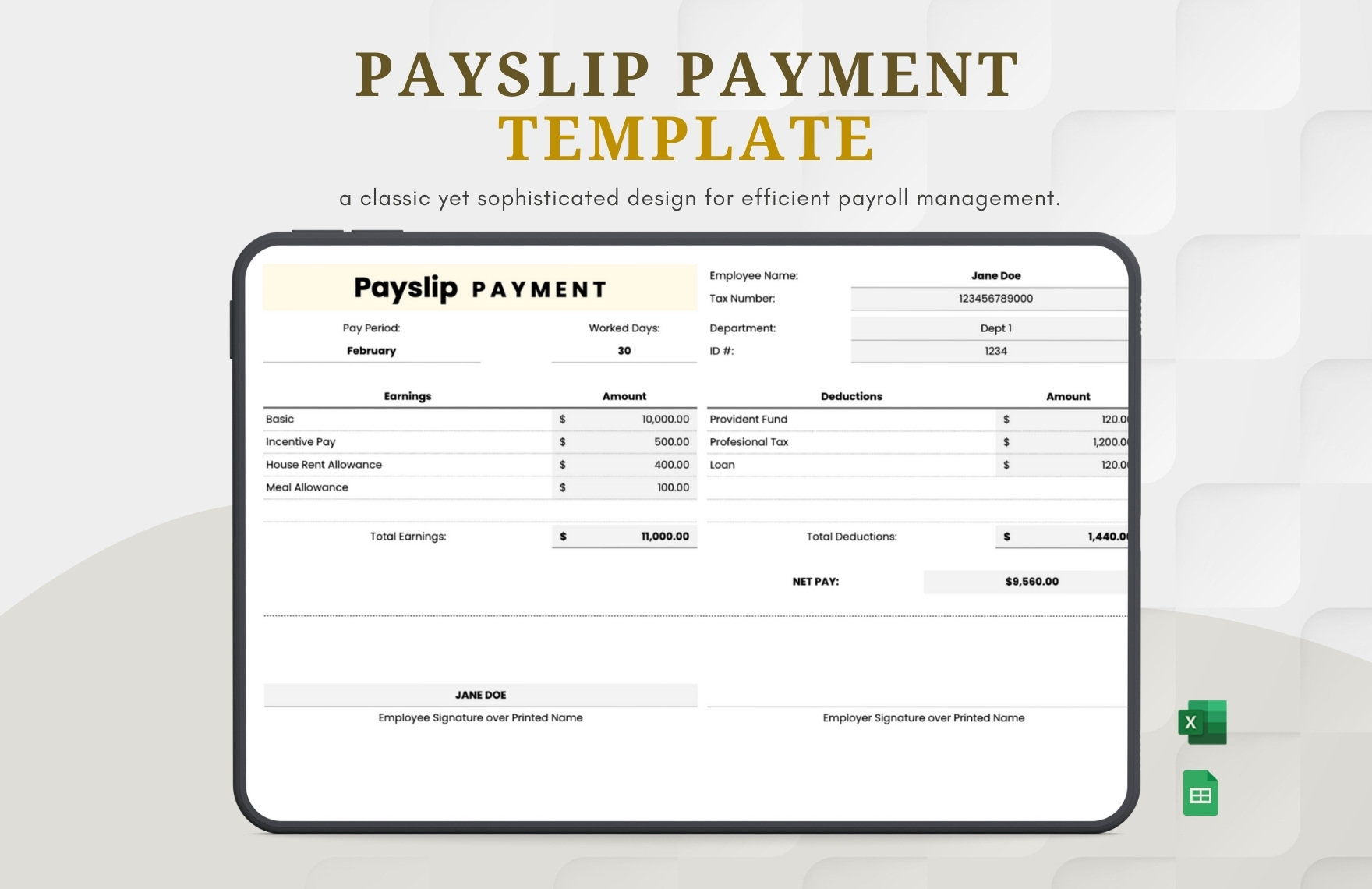
A Business Printable Payment Slip is a document that records payment details for transactions. It typically includes fields for the date, amount paid, payment method, payer and payee names, and a brief description of the transaction. By using this slip, businesses can maintain a clear and organized record of all payments made and received, which is crucial for bookkeeping and financial audits.
This slip is beneficial for various business types, including freelancers, small retailers, and service providers. It helps to formalize transactions, providing both parties with a clear acknowledgment of payment.
How to Use the Payment Slip
Using a Business Printable Payment Slip is straightforward. Here’s a step-by-step guide to get started:
- Download the Template: Obtain a printable version of the slip from a reliable source. Ensure it is in a user-friendly format, such as PDF or Word, which allows easy printing and customization.
- Fill in the Details: Before completing a transaction, fill out the payment slip with the relevant details. Include:
- Date: When the payment was made.
- Amount: The total amount of the transaction.
- Payment Method: Specify whether it was cash, check, credit card, etc.
- Payer and Payee Information: Names and contact details of both parties involved.
- Description: A brief note about what the payment is for.
- Print and Sign: Print the filled-out slip. Both parties should sign it to acknowledge the transaction. This adds an additional layer of verification.
- Distribute Copies: Make sure both the payer and payee keep a copy for their records. This is important for future reference, especially during tax season or financial audits.
Benefits of Using Payment Slips
Incorporating a Business Printable Payment Slip For Transaction Records offers several advantages:
- Organization: It helps organize financial records, making it easier to track income and expenses.
- Transparency: Provides transparency between parties, reducing the likelihood of disputes regarding payments.
- Professionalism: Using a formal payment slip adds a level of professionalism to transactions, making businesses appear more reliable.
- Audit Ready: Having a paper trail ensures that you are prepared for any financial audits, as it provides proof of transactions.
Best Practices for Maintaining Transaction Records
To maximize the benefits of using a Business Printable Payment Slip, consider these best practices:
- Regular Updates: Ensure that slips are filled out immediately after transactions. This helps prevent forgotten details later on.
- Digital Backup: In addition to physical copies, scan or take photos of the slips and store them digitally. This provides an additional backup in case of loss.
- Organized Storage: Keep payment slips organized, ideally categorized by month or type of transaction. This makes retrieval easier when needed.
- Review Periodically: Set a schedule to review your transaction records regularly. This helps identify any discrepancies early.
In summary, utilizing a Business Printable Payment Slip For Transaction Records can significantly enhance your financial management process. By formalizing transactions and maintaining clear records, it aids in effective bookkeeping and fosters trust between businesses and their clients.