Using a Deposit Slip Printable Form With Company Details can simplify the banking process for small business owners. These forms are essential for organizing deposits, ensuring that all funds are accurately documented, and providing a clear record for both the business and the bank. This guide will help you understand when to use this form, how to fill it out correctly, and the best practices for printing and presenting it.
Understanding Deposit Slips
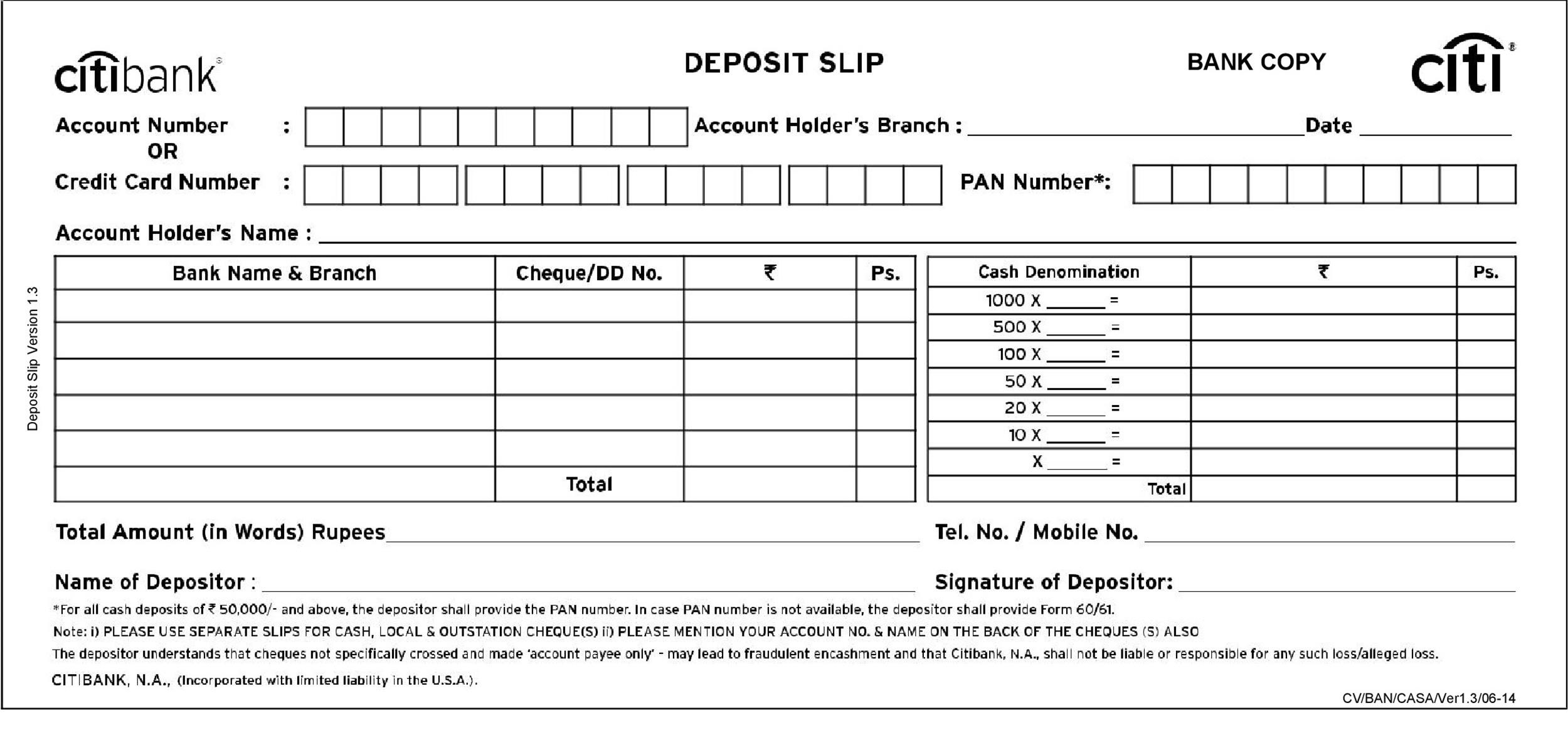
A deposit slip is a document used to deposit money into a bank account. It includes essential information such as the account number, the amount being deposited, and sometimes details about the source of the funds. Using a Deposit Slip Printable Form With Company Details not only saves time but also enhances the professionalism of your financial transactions.
This form is particularly useful for small businesses that frequently handle cash or checks. It helps ensure that all deposits are made accurately and can be easily tracked, which is crucial for maintaining accurate financial records.
Preparing the Deposit Slip
Key Components of the Form
When preparing your deposit slip, ensure it includes the following key components:
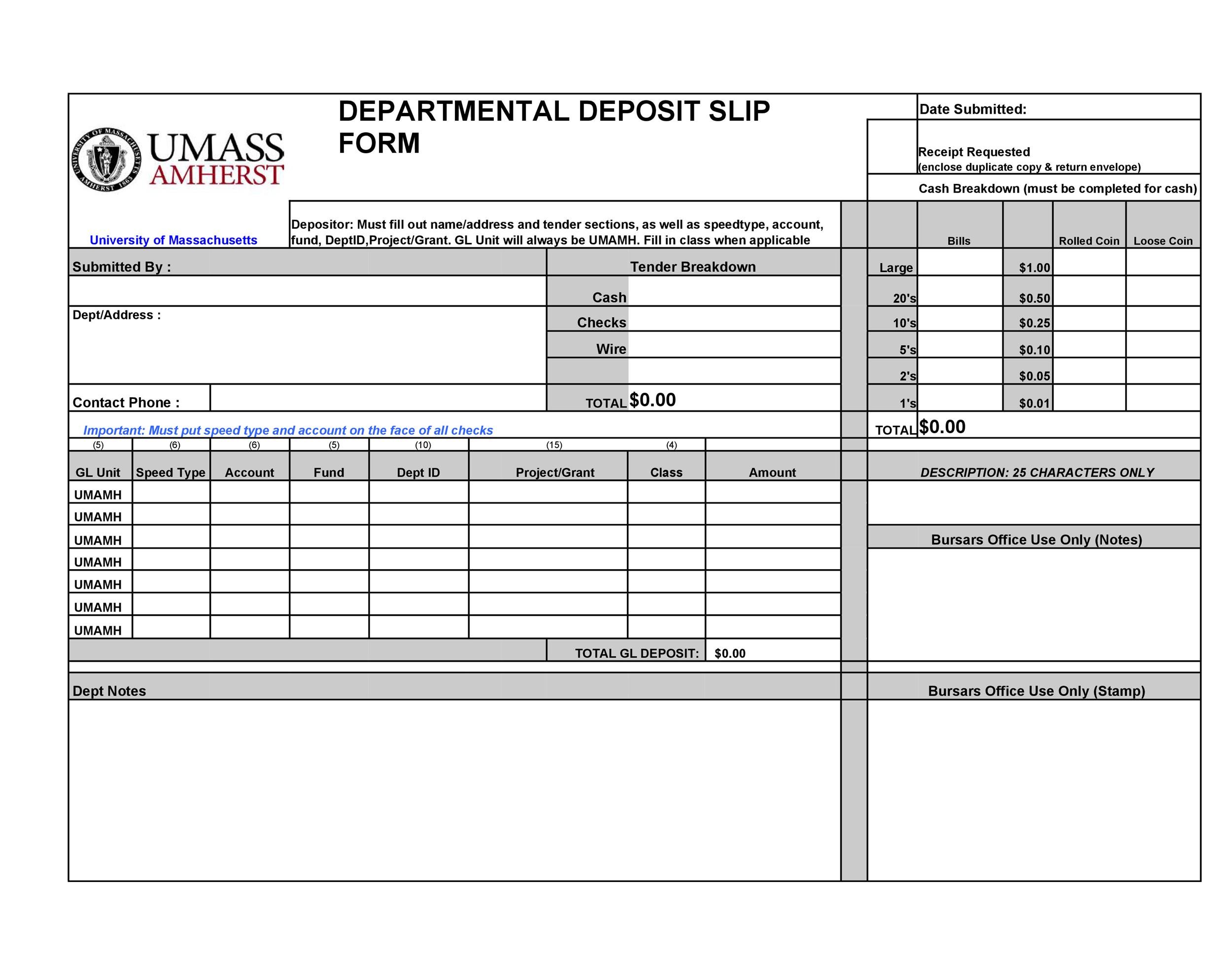
- Company Name and Address: Clearly state your business name and address at the top of the form. This identifies the source of the deposit.
- Account Number: Include the bank account number to which the funds will be deposited. Double-check this number to avoid any errors.
- Deposit Amount: Clearly list the total amount being deposited. Break down the amounts if needed (cash, checks, etc.).
- Date and Signature: Always date the slip and, if required, provide a signature for verification.
How to Fill It In
- Start by entering your company name and address. This information helps the bank verify the source of the funds.
- Write the account number in the designated field. Ensure it’s accurate to prevent any misdirection of funds.
- List out the amount being deposited. If you are depositing multiple checks or cash, specify each amount in its respective field.
- Finally, sign and date the form. Some banks may require both for processing.
Best Practices for Using Your Deposit Slip
Presentation Quality
The quality of the deposit slip can impact its effectiveness. Here are a few tips for ensuring your printed deposit slips look professional:
- Paper Type: Use high-quality paper, such as cardstock, for better durability. This is especially important if the slips will be stored or transported.
- Print Settings: Set your printer to a high-quality print setting. This ensures clarity and legibility, which is crucial for bank processing.
- Orientation: Use portrait orientation for the best fit when printing. Most printers handle this layout better, reducing the risk of cutting off important information.
Regular Updates
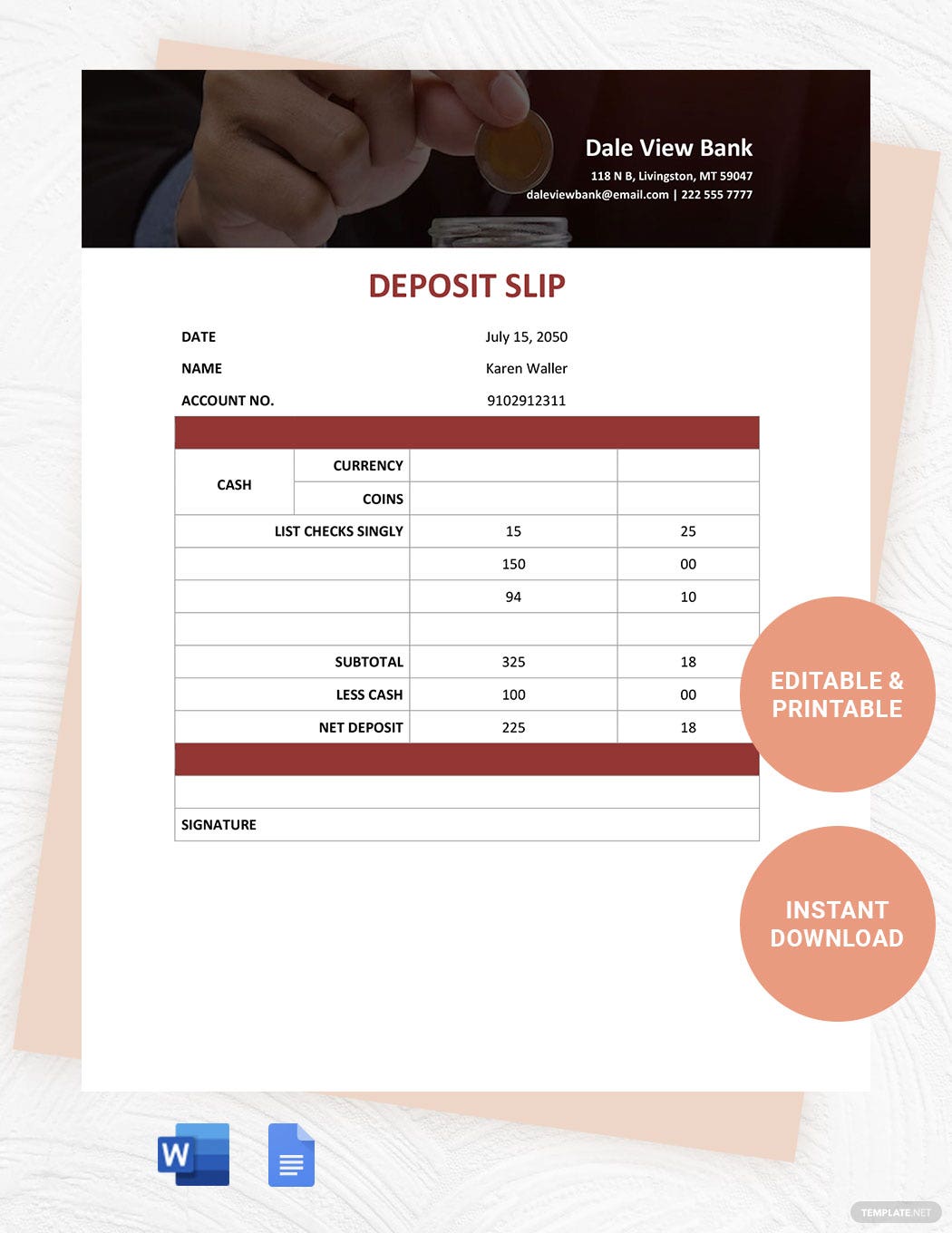
Keep your Deposit Slip Printable Form With Company Details updated. Regularly check that your company details, including address and account number, are current. This helps avoid confusion during banking transactions and maintains an accurate record.
Using the Deposit Slip Effectively
Frequency of Use
Implementing a routine for using your deposit slips can streamline your financial operations. Consider depositing funds weekly or bi-weekly, depending on your cash flow. Regular deposits help keep your business finances organized and reduce the risk of loss or theft.
Digital Vs. Physical
While printable deposit slips are convenient, consider the benefits of having both digital and physical copies. Digital forms can be easily modified and stored, while physical slips can serve as immediate documentation during bank visits.
Training Staff
If your business has multiple employees handling finances, ensure they are trained on how to properly use the deposit slips. Clear instructions on filling out the form, as well as the importance of accuracy, can prevent costly errors.
By following these practical guidelines, your business can utilize the Deposit Slip Printable Form With Company Details effectively. Ensuring that each slip is filled out accurately and presented professionally can significantly enhance your banking process, leading to better financial management and record-keeping.
Next, focus on printing your slips, ensuring they are readily available for your banking activities. This small step can lead to a more organized approach to managing your business finances.