The Editable Printable Payment Slip For Customers is a valuable resource for small business owners looking to simplify their transaction processes. Unlike generic payment slips, this editable version allows for customization, ensuring that every transaction is tailored to your specific business needs. With clear sections and a user-friendly layout, it’s designed to enhance communication with your customers while keeping your records organized.
Understanding the Layout of the Payment Slip
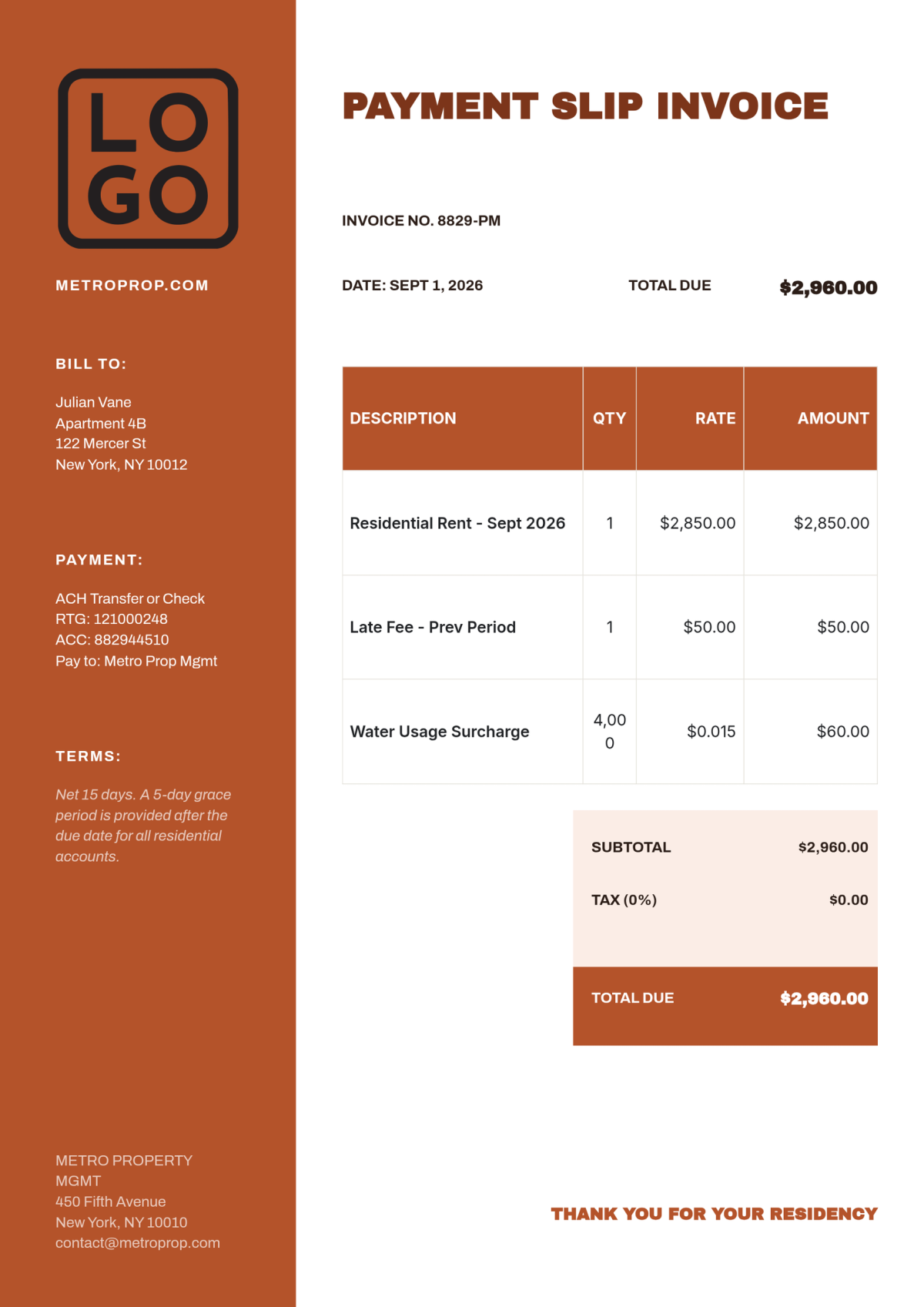
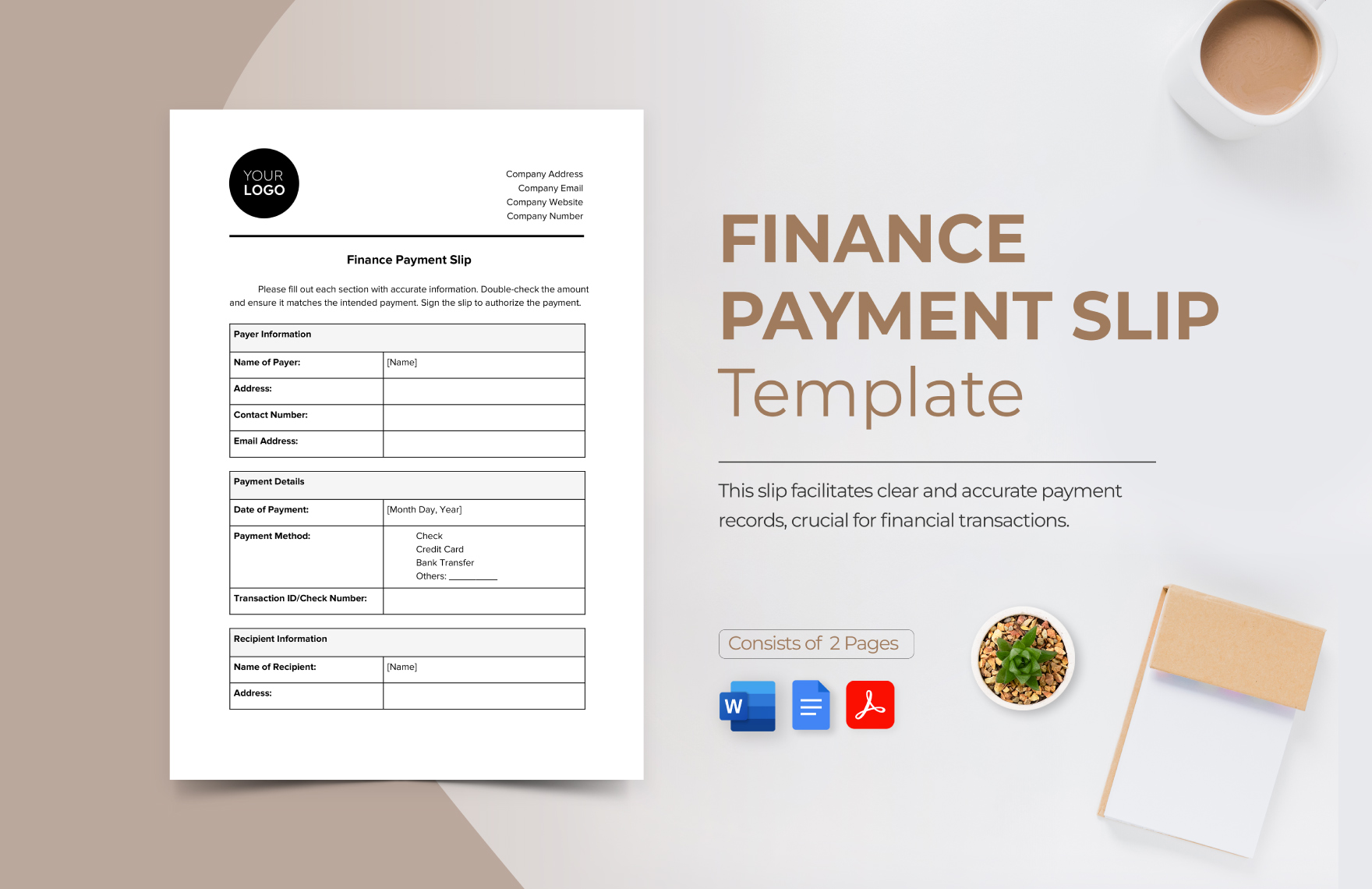
The layout of the editable printable payment slip is structured to provide essential information at a glance. Typically, the slip includes sections for the customer’s name, transaction date, amount due, payment method, and a space for notes if needed. Each section is clearly labeled, making it easy for both you and your customers to fill in the necessary details.
The design often features a clean, professional look, which helps in building trust with your clients. A well-organized payment slip can also serve as a receipt for your customers, adding an extra layer of professionalism to your transactions. For best results, consider using a portrait layout, as it tends to fit standard printing sizes better.
Customization Features
One of the standout features of this editable printable payment slip is the ability to customize fields according to your business requirements. You can add your business logo at the top, personalize the color scheme, and adjust the font to match your branding. This customization not only enhances your professional image but also makes the payment slip more recognizable to your customers.
To edit the slip, you typically use PDF editing software or even a word processor that supports form filling. Make sure to save a master copy for future use after customizing your first slip. This way, you can quickly duplicate the template for future transactions without having to redo the design each time.
Practical Uses of the Payment Slip
The editable printable payment slip serves multiple purposes in a small business context. Here are a few practical uses:
- Customer Transactions: Use the slip when customers make payments for goods or services.
- Record Keeping: Keep the payment slips as part of your financial records. They provide a clear paper trail for accounting purposes.
- Professionalism: Presenting a formal payment slip enhances the customer experience and reflects well on your business.
Additionally, the payment slip can be utilized for various transaction types, including cash payments, credit card transactions, and even online payments. For businesses that handle a high volume of transactions, having a consistent, professional payment slip can streamline operations significantly.
How to Print and Use the Payment Slip
Printing the editable printable payment slip is straightforward. It’s best to print on high-quality paper, such as cardstock, to ensure durability. If you plan to laminate the slips for repeated use, consider using a thicker card stock that holds up well over time.
When printing, set your printer to the highest quality settings to ensure that text and any logos appear clear and professional. If you’re printing multiple slips, batch printing can save time. Just ensure that each slip is filled out correctly before handing it over to customers.
Final Considerations for Small Businesses
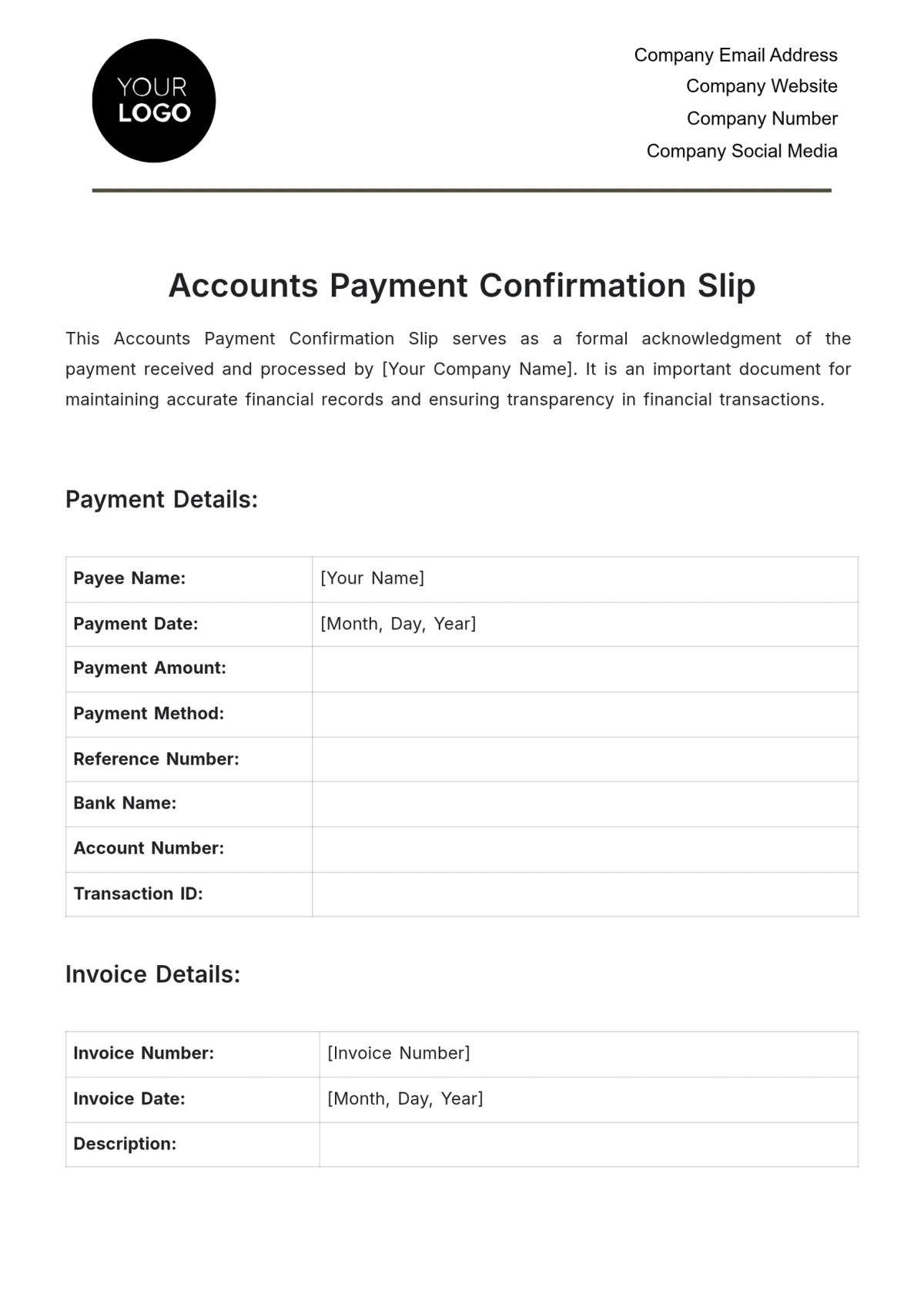
When using the Editable Printable Payment Slip For Customers, it’s essential to keep a few considerations in mind. First, ensure that all the fields are filled out accurately to avoid confusion during transactions. Additionally, regularly review your design and content to ensure it aligns with any changes in your business operations or branding.
Lastly, think about the different ways you can distribute the payment slips. While handing them out in person is common, consider digital options too. Sending a digital copy via email can be convenient for customers who prefer electronic receipts.
By implementing this editable payment slip effectively, small business owners can enhance their transaction processes, improve customer communication, and maintain organized financial records.