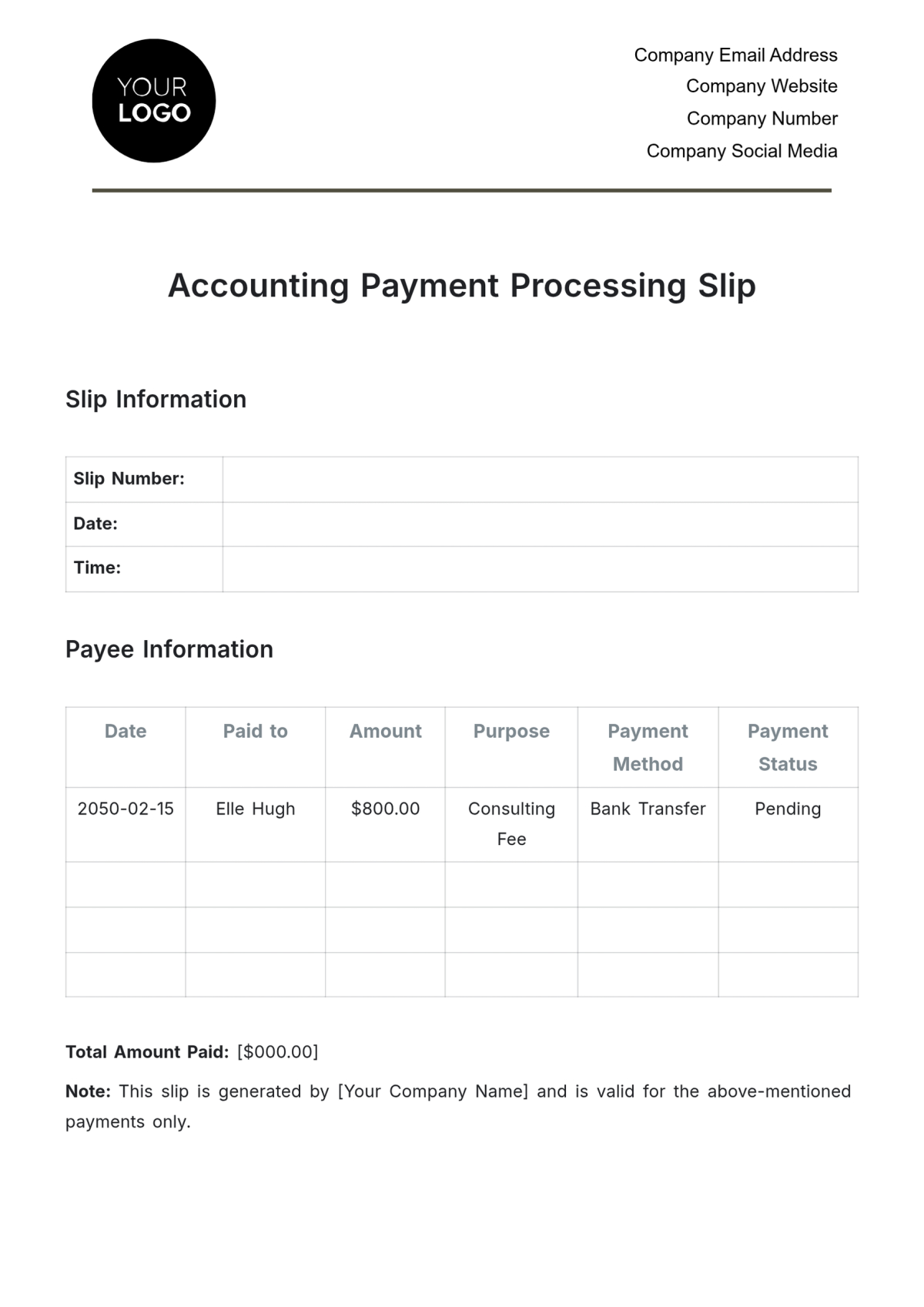
A fillable printable payment slip for accounting is an essential tool for small business owners looking to streamline their financial transactions. This resource allows for easy tracking of payments received, ensuring that important financial data is organized and accessible. With the right approach, you can download, print, and utilize this payment slip effectively in just a few steps.
Understanding the Purpose of a Payment Slip
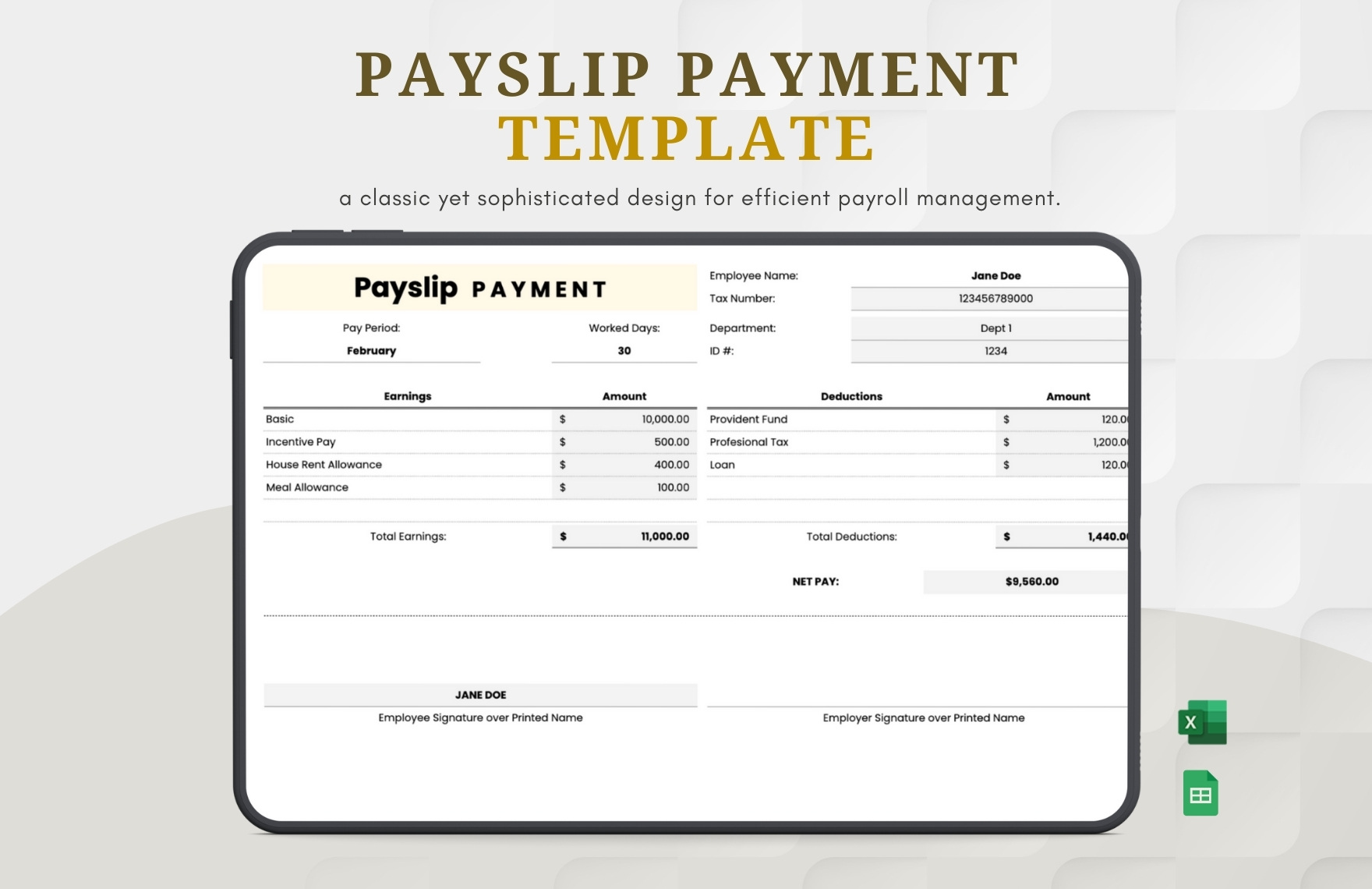
A payment slip serves as a formal record of a transaction between a payer and a payee. It’s crucial for maintaining accurate accounting records, as it provides clear documentation of payments made. By using a fillable printable payment slip, you can capture essential details such as the date, amount, purpose of the payment, and the payer’s information, minimizing the risk of errors in your accounting.
How to Download Your Fillable Printable Payment Slip
- Choose the Right Template: Start by selecting a fillable payment slip template that meets your business needs. Look for one that is straightforward and includes all necessary fields.
- Download the Template: Most printable resource websites offer these templates in PDF format. Ensure that the one you choose is compatible with your system and fulfills your requirements.
- Open the File: Use a PDF reader to open the downloaded file. This format ensures that the layout remains intact when printed.
Preparing Your Payment Slip for Use
Once you have downloaded the fillable payment slip, the next step is to fill it out accurately:
- Fill in the Required Fields: Click on the fields to input necessary details like the date of payment, payer’s name, amount, purpose, and any reference numbers.
- Review for Accuracy: Double-check the information entered to ensure there are no mistakes. Accuracy in your financial records is vital for effective accounting.
- Save Your Changes: After completing the payment slip, save the document. If your PDF reader allows, save it with a new name to keep the original template intact for future use.
Printing Your Payment Slip
Printing the payment slip correctly is essential for maintaining a professional appearance:
- Select the Right Paper: Use standard letter-size paper (8.5 x 11 inches) for printing. If you plan to keep the slips for record-keeping, consider using heavier paper or cardstock for durability.
- Adjust Printer Settings: Set your printer to the correct paper size and quality settings. A portrait layout works best for most home printers.
- Print a Test Copy: Before printing multiple copies, print one slip to ensure everything appears as intended. Check for alignment and clarity.
Organizing and Using Your Payment Slips
Once printed, it’s essential to organize your payment slips for easy reference:
- Create a Filing System: Use folders or binders to categorize your payment slips. You might organize them by date, client, or project to streamline retrieval.
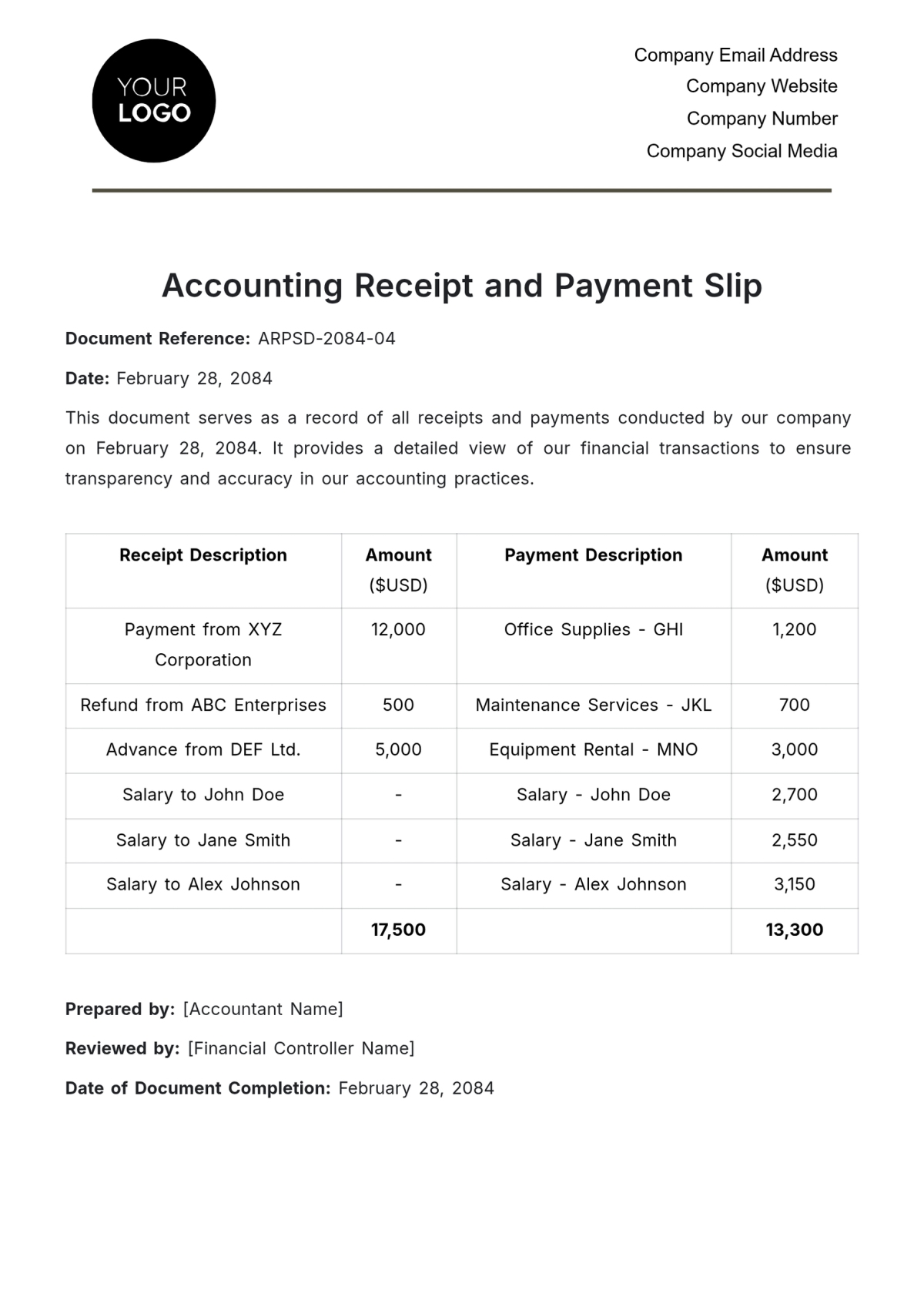
- Log Transactions: Maintain a separate ledger or spreadsheet to log each payment slip. This practice helps in tracking payments and reconciling accounts.
- Use for Record Keeping: Keep your payment slips for a minimum of five years for tax and auditing purposes. This will provide necessary documentation if needed in the future.
Tips for Effective Use of Payment Slips
To maximize the effectiveness of your fillable printable payment slip for accounting, consider the following tips:
- Regularly Update Templates: As your business grows, your payment slip needs may change. Regularly review and update the template to ensure it meets current requirements.
- Train Staff: If you have employees handling payments, ensure they understand how to fill out and process the payment slips correctly to maintain consistency.
- Utilize Digital Copies: While printed slips are essential, keeping a digital copy can help with backup and easy access.
Using a fillable printable payment slip for accounting not only enhances your financial record-keeping but also helps maintain professionalism in business transactions. With the right approach, you can ensure accuracy and efficiency in your accounting practices.