Managing personal finances can often feel overwhelming, especially when it comes to keeping track of payments. One practical tool that can simplify this task is a Simple Printable Payment Slip For Bookkeeping. This resource is designed to help you record transactions clearly and efficiently, ensuring your financial records are accurate and up-to-date.
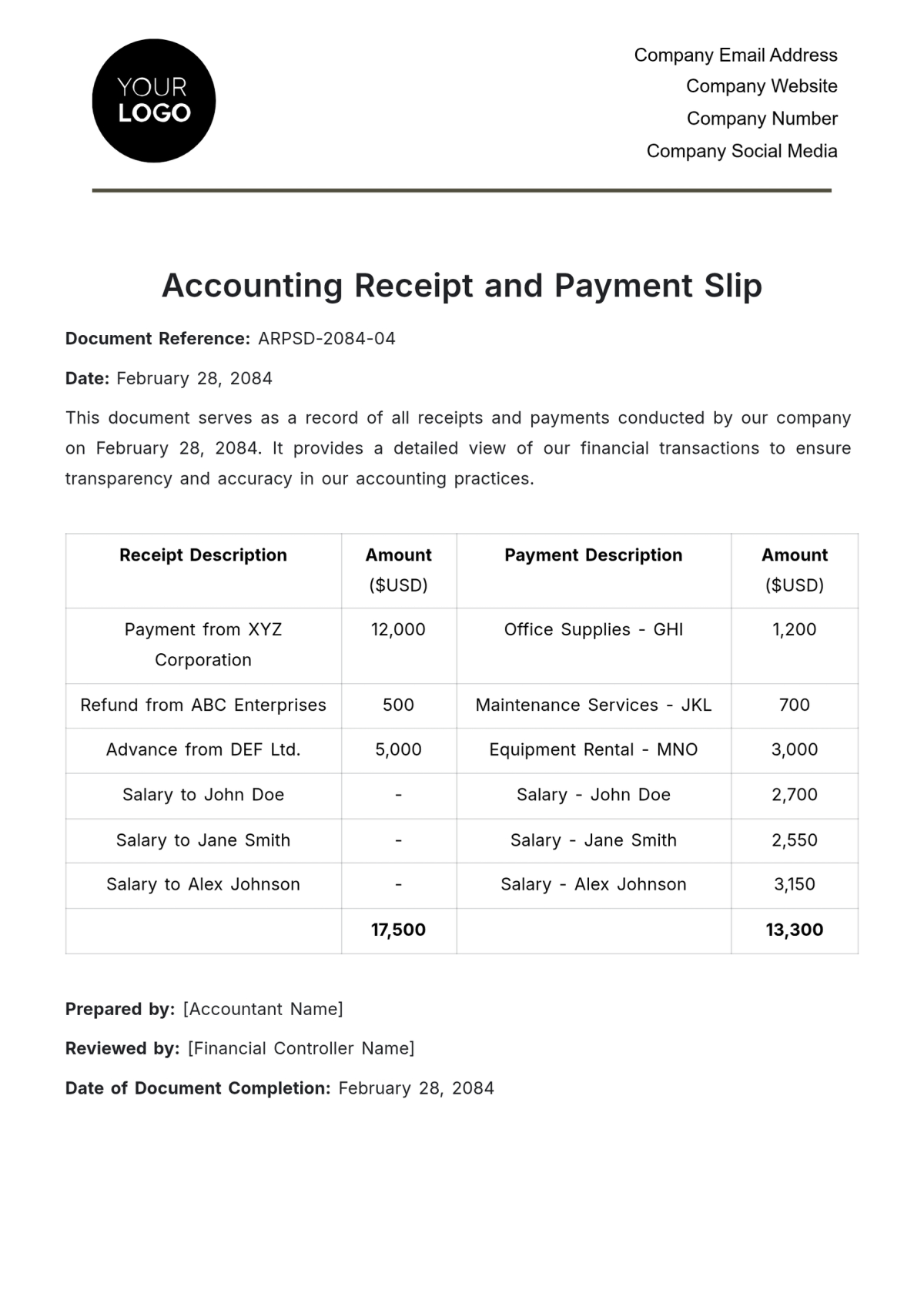
Understanding the Structure of the Payment Slip
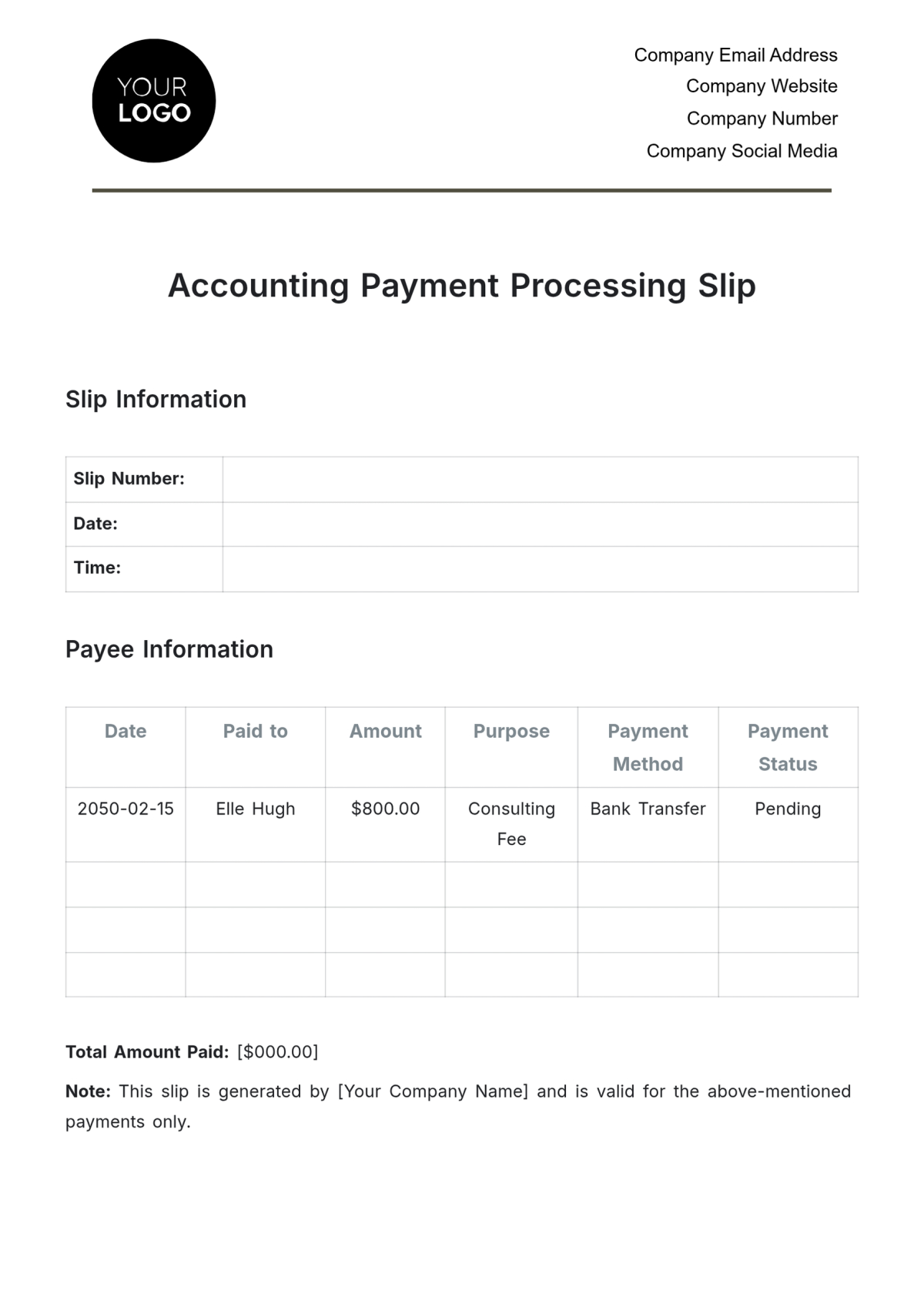
A Simple Printable Payment Slip typically features a straightforward layout that makes it easy to fill out. The design usually includes essential fields such as:
- Date of Payment: This is crucial for tracking when the transaction occurred.
- Recipient’s Name: Clearly noting who received the payment helps maintain transparency in your records.
- Amount Paid: This field should be formatted to highlight the total amount, making it easy to spot at a glance.
- Payment Method: Whether it’s cash, check, or electronic transfer, noting the method can be vital for future reference.
- Notes or Purpose of Payment: This optional field allows you to add context, which can be helpful during audits or reviews.
The layout is generally designed to fit standard paper sizes, such as A4 or letter size, which fits most home printers well. Portrait orientation tends to be more common for these slips, making them easy to store in files or binders.
Benefits of Using a Printable Payment Slip
There are several advantages to utilizing a Simple Printable Payment Slip For Bookkeeping:
- Consistency: Using a standardized slip for every transaction helps maintain uniformity in your records.
- Clarity: Each component of the slip is laid out clearly, reducing the chances of errors or miscommunication.
- Efficiency: Filling out a printed slip is often quicker than logging transactions into a digital system, especially for those who prefer writing by hand.
- Record Keeping: These slips can easily be filed away, providing a physical record of all transactions, which can be beneficial for audits or tax purposes.
Tips for Printing and Using the Payment Slip
When it comes to printing your Simple Printable Payment Slip, consider the following tips:
- Paper Quality: For durability, especially if you plan to keep these records for an extended period, consider using cardstock. This will hold up better over time compared to standard printer paper.
- Printer Settings: Ensure your printer settings are adjusted to the correct paper size and orientation. This helps avoid any misalignments that can occur during printing.
- Filling Out the Slip: Use a pen that won’t smudge, especially if you are using the slip for long-term record-keeping. Ballpoint pens are often a good choice as they dry quickly.
- Storage: Once filled out, store your payment slips in a designated binder or folder. This can help keep your records organized and easily accessible when needed.
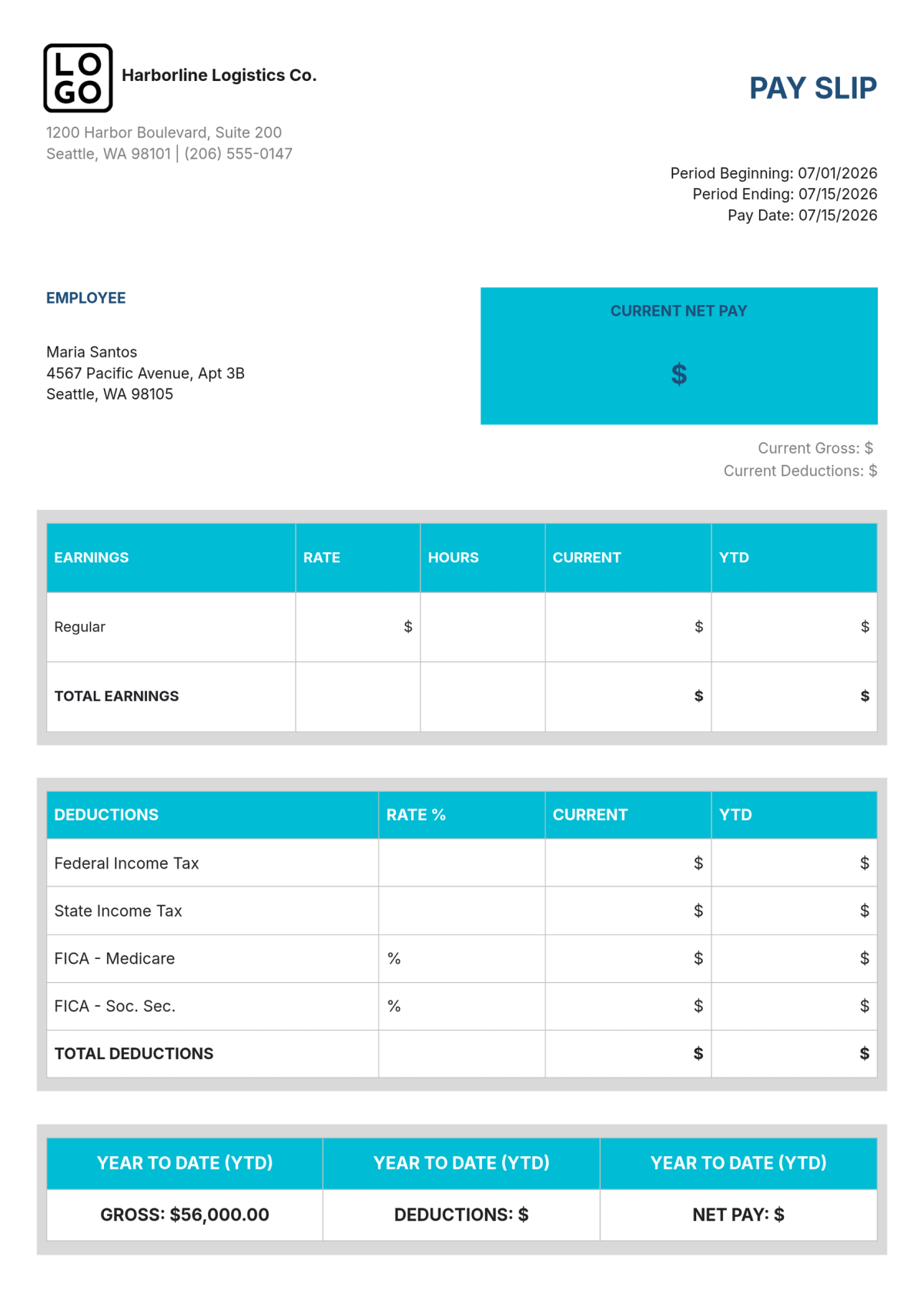
Integrating the Payment Slip Into Your Bookkeeping Routine
Incorporating the Simple Printable Payment Slip into your routine is a great way to streamline your bookkeeping process. Here are a few practical steps to get started:
- Create a Template: Download and print several copies of the payment slip so you have them handy when you need to make a payment.
- Set a Schedule: Regularly review your payment slips to ensure all transactions are logged. This could be a weekly or monthly task.
- Digital Backup: If you prefer a digital approach, consider scanning your filled payment slips. This creates a backup that can be stored on your computer or in cloud storage, providing an additional layer of security.
By applying these strategies, you can enhance your bookkeeping practices and ensure your financial records are always accurate.
Using a Simple Printable Payment Slip For Bookkeeping not only aids in tracking payments but also contributes to a more organized financial system. This simple yet effective tool can transform the way you manage your finances, making it easier to stay on top of your payments and maintain a clear overview of your financial situation.