When managing finances, especially in a business context, having a reliable method for documenting transactions is crucial. A Simple Printable Payment Slip For Business Records can be an essential tool to keep your financial records organized and transparent. This resource typically comes in a standard letter size (8.5 x 11 inches), making it easy to print and store. Below, I’ll guide you through the key features of this payment slip, how to use it effectively, and some tips for optimizing your record-keeping process.
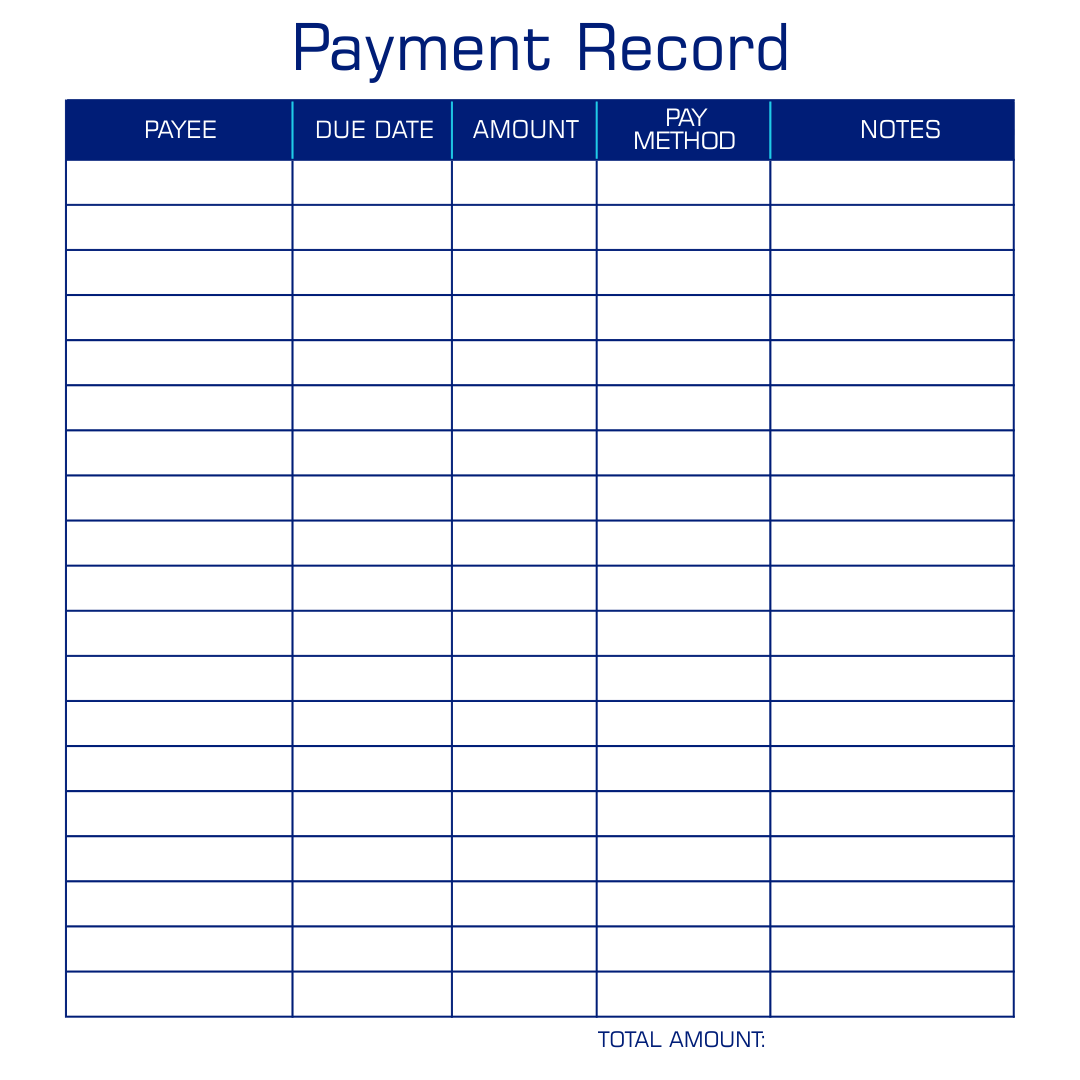
Key Features of a Printable Payment Slip
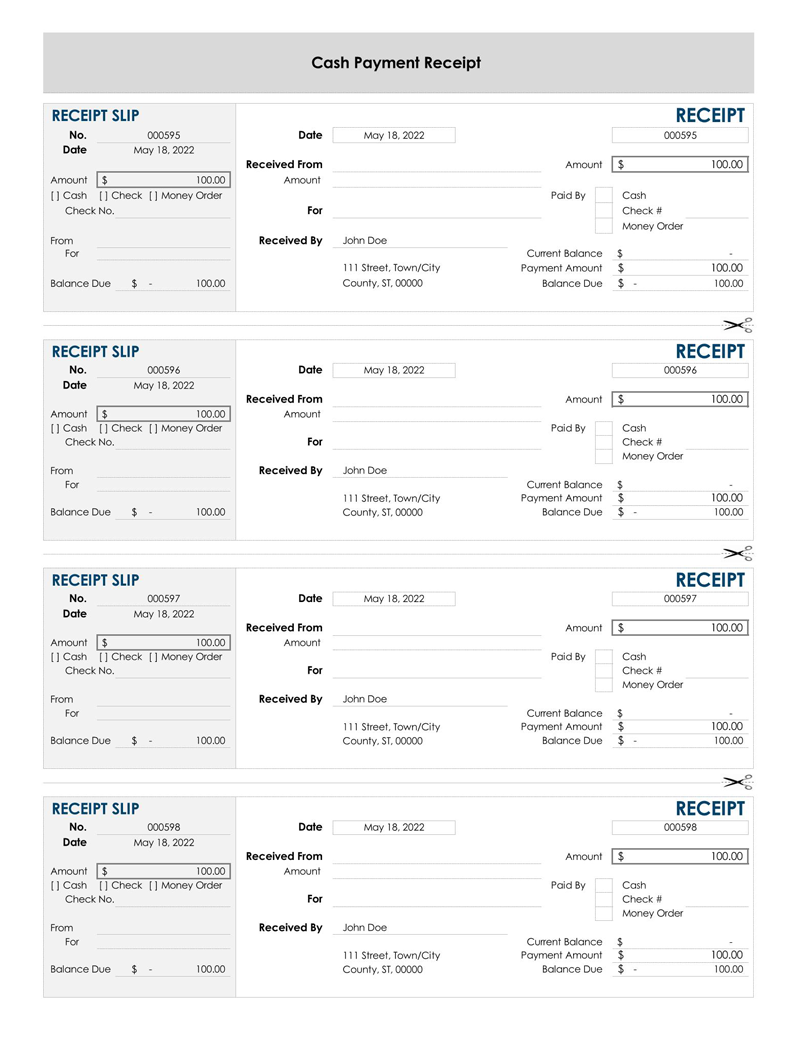
A well-designed payment slip typically includes several important sections to ensure all necessary information is captured. Here are the main components you’ll find:
- Date: This section allows you to note when the payment was made, which is essential for tracking and referencing.
- Payee Information: You’ll record the name and contact details of the person or business receiving the payment. This ensures clarity in your records.
- Amount: Clearly specify the payment amount, preferably with spaces for both words and numbers to avoid confusion.
- Payment Method: Options might include cash, check, credit card, or bank transfer. This helps you understand how payments are made.
- Signature: A space for both the payer and payee to sign, adding an extra layer of verification.
Each of these elements plays a critical role in maintaining accurate business records. By using a payment slip, you can avoid disputes and ensure that both parties have a clear understanding of the transaction.
How to Use Your Payment Slip
Using a Simple Printable Payment Slip For Business Records is straightforward. First, download the template from your preferred resource website. Once you have your template, follow these steps:
- Fill Out the Slip: Enter the date, payee information, payment amount, and payment method. Ensure all entries are clear and legible.
- Print: Use a standard printer with good quality settings. If you’re using heavier paper or cardstock, adjust your printer settings accordingly.
- Sign: Both parties should sign the slip after the payment is made. This not only confirms the transaction but also provides a record for both parties.
- File for Record-Keeping: Store the signed slips in a dedicated folder or file system. This organization will make it easier to reference past transactions when needed.
The immediate benefit of having this printed resource is the tangible documentation it provides. You can quickly refer back to any transaction without sifting through digital records.
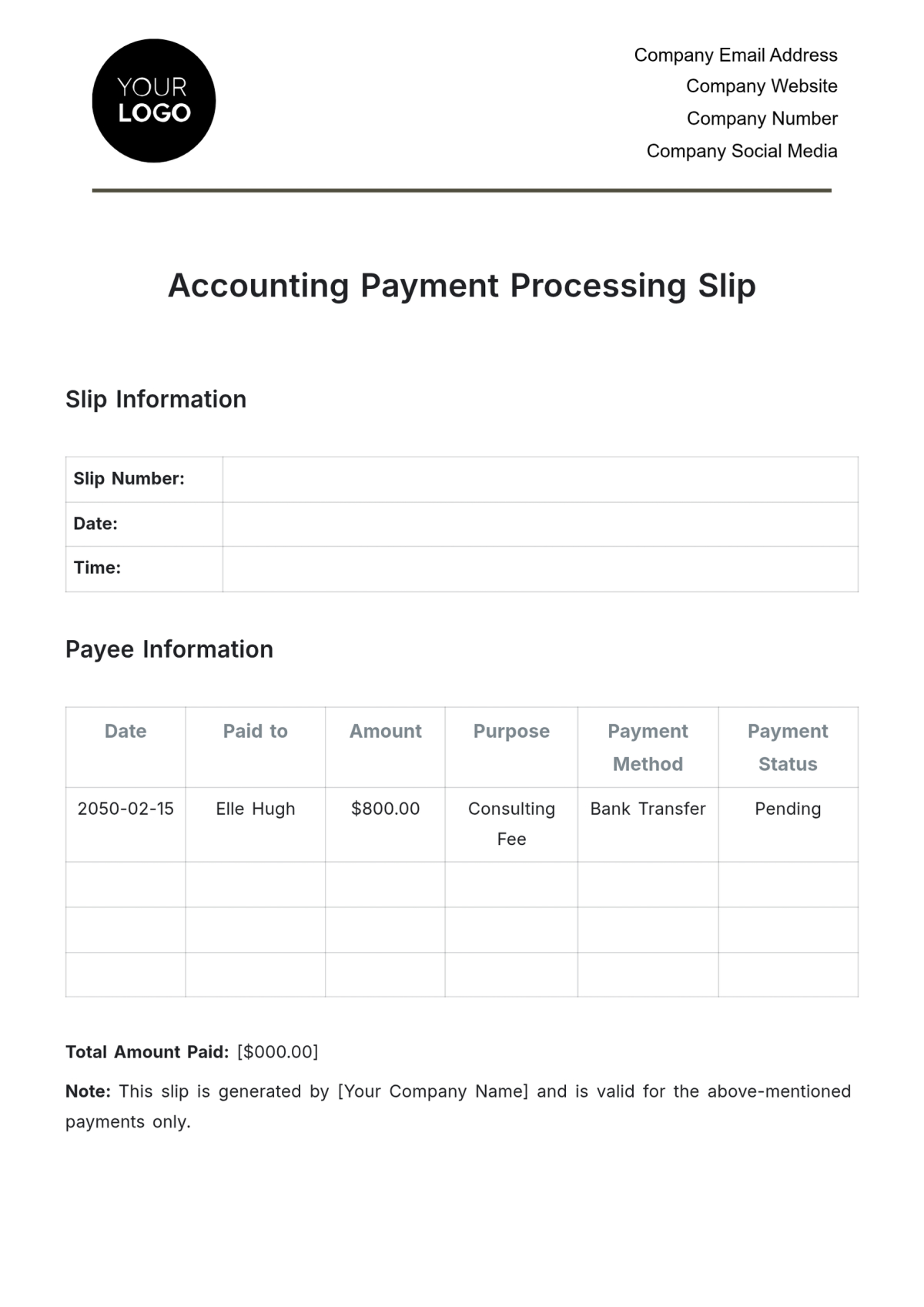
Tips for Effective Record Keeping
To maximize the utility of your payment slips, consider the following tips:
- Use Durable Paper: For transaction slips that may be referenced frequently, using heavier paper can make a difference. Cardstock is often a good choice.
- Make Copies: If possible, create copies of the payment slip before the transaction is finalized. This way, both parties have an identical record.
- Establish a Filing System: Organize your payment slips chronologically or by payee. This will save you time when searching for specific transactions.
- Digital Backups: If you’re inclined towards digital management, scan or take pictures of the signed slips for a backup. This adds an extra layer of security.
By incorporating these practices, you can ensure your financial records are both comprehensive and accessible.