Managing your personal finances can be streamlined with tools like a Simple Printable Payment Slip Sample. These slips are handy for documenting transactions, If you are paying bills, collecting dues, or managing simple exchanges. This guide will help you understand how to effectively use a payment slip, what features to look for, and where you can find printable samples.
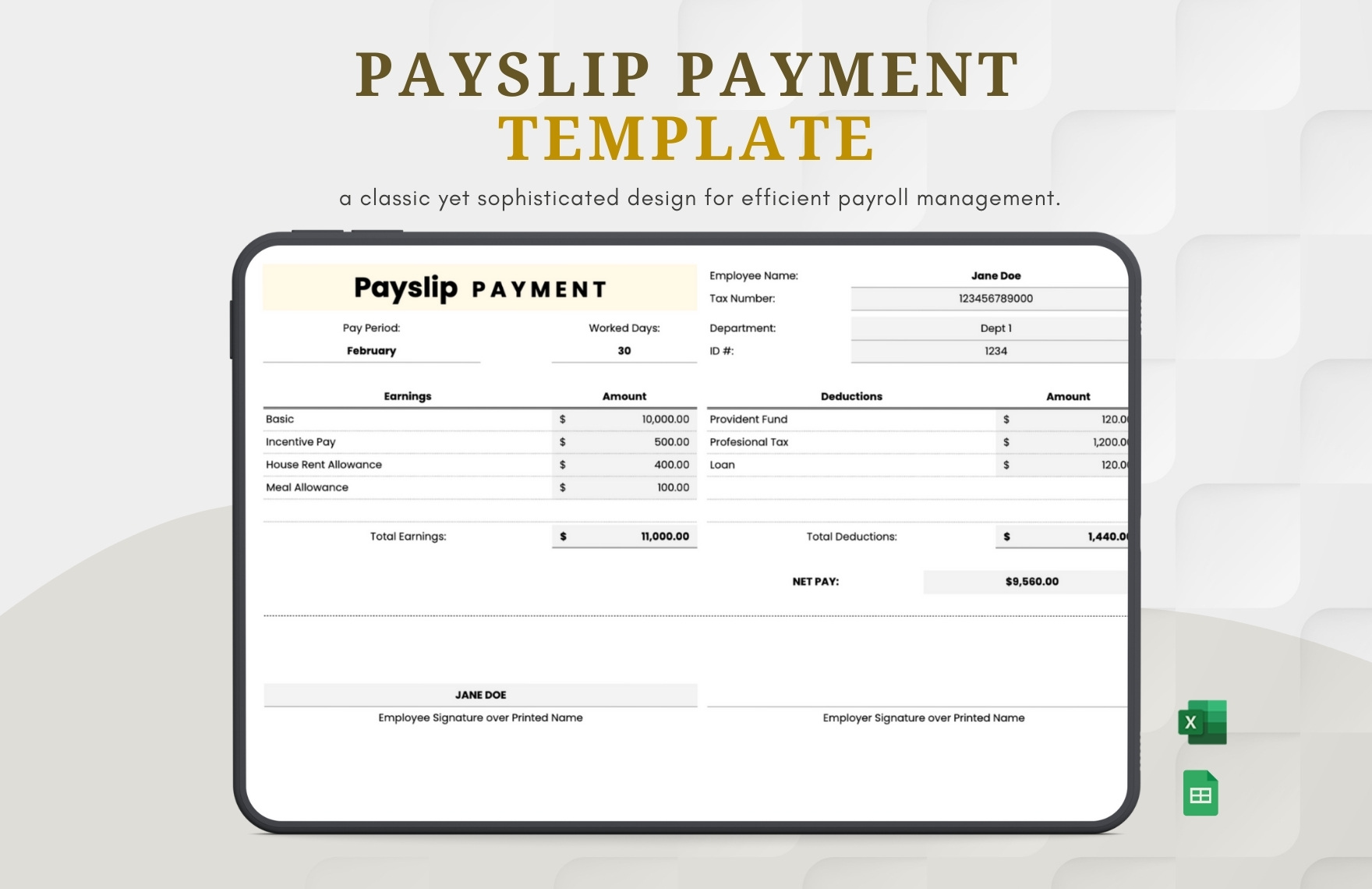
Understanding Payment Slips
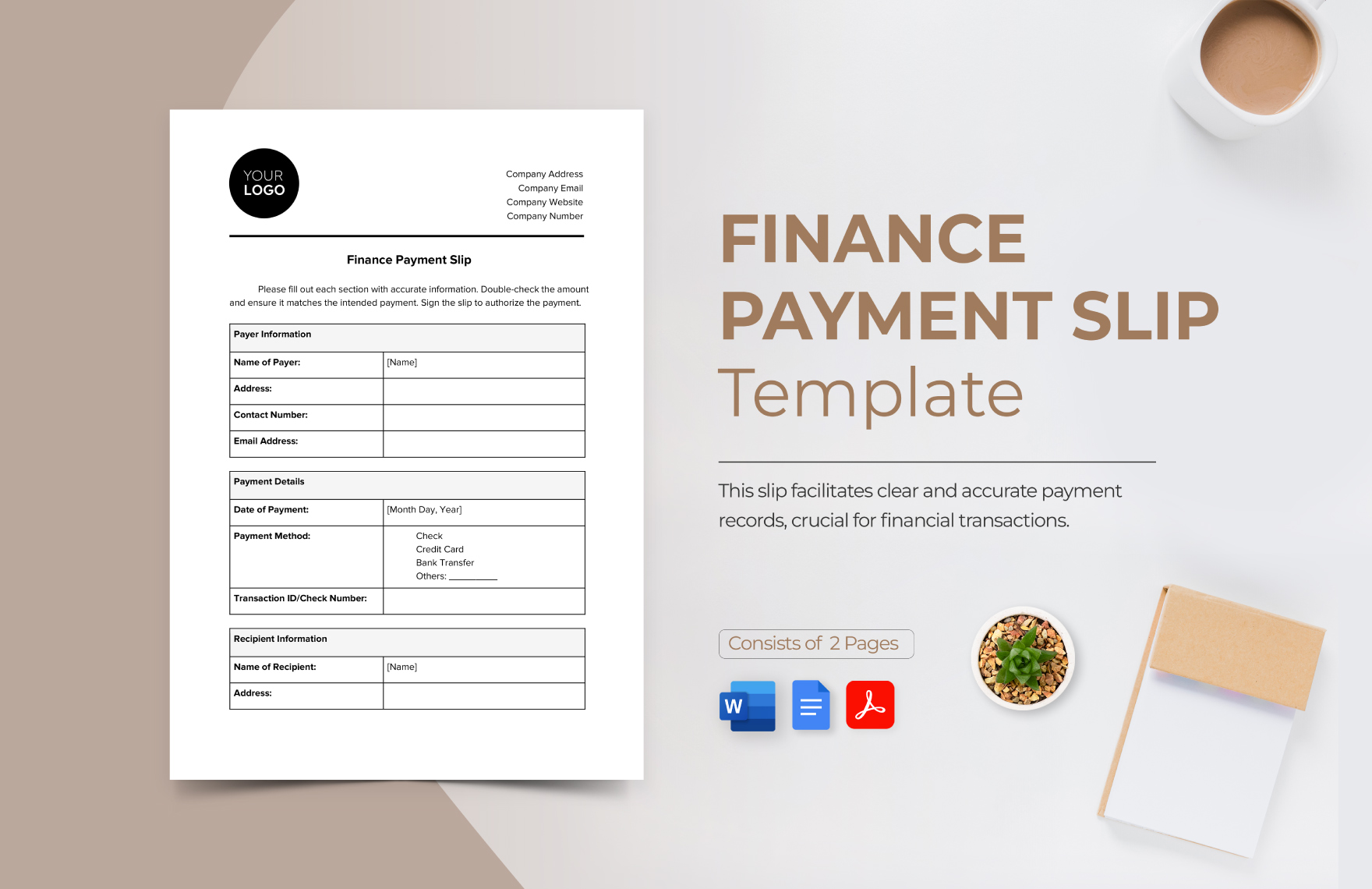
A payment slip is a document that serves as a receipt for a payment made or to be made. It typically includes details such as the date, amount, payer’s information, and the reason for the payment. By utilizing a payment slip, you create a formal record of transactions, which can be beneficial for both personal budgeting and financial transparency.
Payment slips can come in various formats, but the most effective ones are simple and straightforward. You don’t want to waste time deciphering complex layouts or unnecessary details. Instead, focus on samples that prioritize clarity and ease of use.
Key Features of a Good Payment Slip
When looking for a Simple Printable Payment Slip Sample, consider these essential features:
- Clear Layout: The slip should be easy to read, with distinct sections for each piece of information. This reduces the chance of errors when filling it out.
- Customizable Fields: Look for templates that allow you to enter specific details relevant to your transactions, such as the payer’s name, payment amount, and purpose.
- Space for Signatures: Including a section for signatures can enhance the document’s legitimacy, particularly if you’re using it for transactions with others.
- Date and Reference Numbers: These elements are crucial for tracking payments over time and can be helpful during audits or reviews.
Where to Find Printable Payment Slip Samples
You can find simple printable payment slip samples on various websites that specialize in financial forms and templates. Here are a few options:
- Printable Resource Websites: Many sites offer free downloads of payment slips in PDF or Word formats. Ensure that you choose a reliable source to avoid any formatting issues.
- Template Libraries: Platforms like Microsoft Office or Google Docs often have template libraries where you can find pre-designed payment slips. These can be easily modified to fit your needs.
- Financial Management Blogs: Some finance-focused blogs provide downloadable resources, including payment slips. These often come with tips on how to use them effectively.
How to Use a Payment Slip Effectively
Using a payment slip is straightforward, but following a few best practices can enhance its utility:
- Fill Out All Relevant Information: Ensure that every section of the slip is completed. An incomplete slip can lead to confusion or disputes later on.
- Keep Copies: After handing over a payment slip, keep a copy for your records. This can serve as proof of payment if needed in the future.
- Organize Your Slips: Create a filing system for your payment slips—either digitally or physically. This makes it easier to track payments and manage your finances.
- Review Regularly: Regularly reviewing your payment slips can help you identify recurring payments, budgeting gaps, or areas for financial improvement.
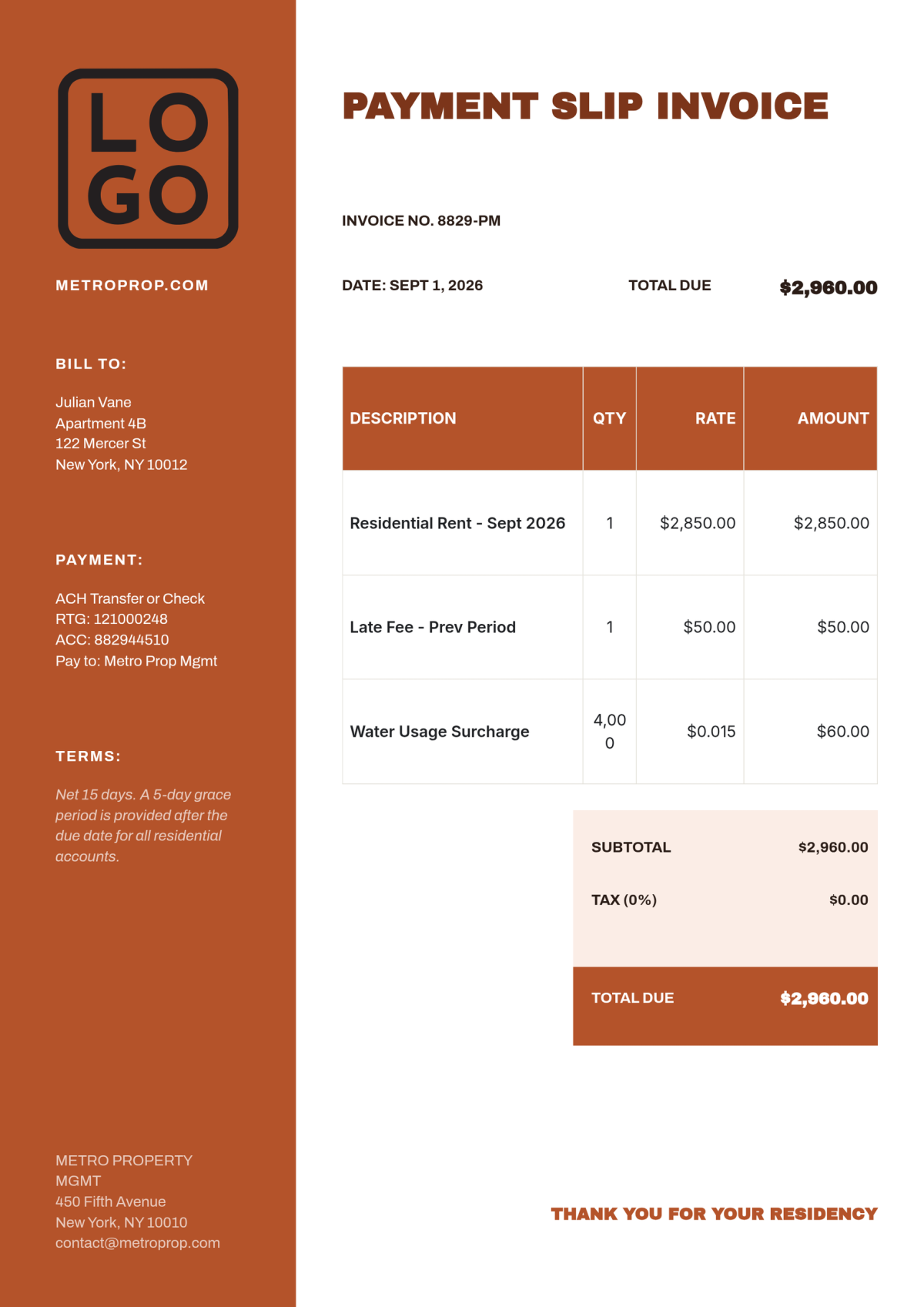
Tips for Printing and Customization
When you’re ready to print your Simple Printable Payment Slip Sample, here are some tips to ensure a smooth process:
- Use Quality Paper: For a more professional look, print on heavier paper like cardstock. This also ensures durability if the slips need to be stored or filed.
- Adjust Print Settings: Make sure your printer settings are configured for the paper size you’re using. Most payment slips are designed for standard A4 or letter-sized paper.
- Preview Before Printing: Always preview the document before printing. This can help you catch any formatting issues that might arise from your printer settings.
By following these guidelines, you can effectively use a Simple Printable Payment Slip Sample to manage your transactions with ease. With a clear and organized approach, you’ll find that tracking your payments becomes much more manageable, leading to better financial health.