Managing payments and receipts is crucial for small business owners. Without an efficient system in place, tracking transactions can become overwhelming. A Blank Printable Payment Slip For Accounting serves as an essential tool to help streamline your financial documentation. guide you through the process of selecting, downloading, printing, and effectively using this resource, ensuring your accounting practices are both organized and professional.
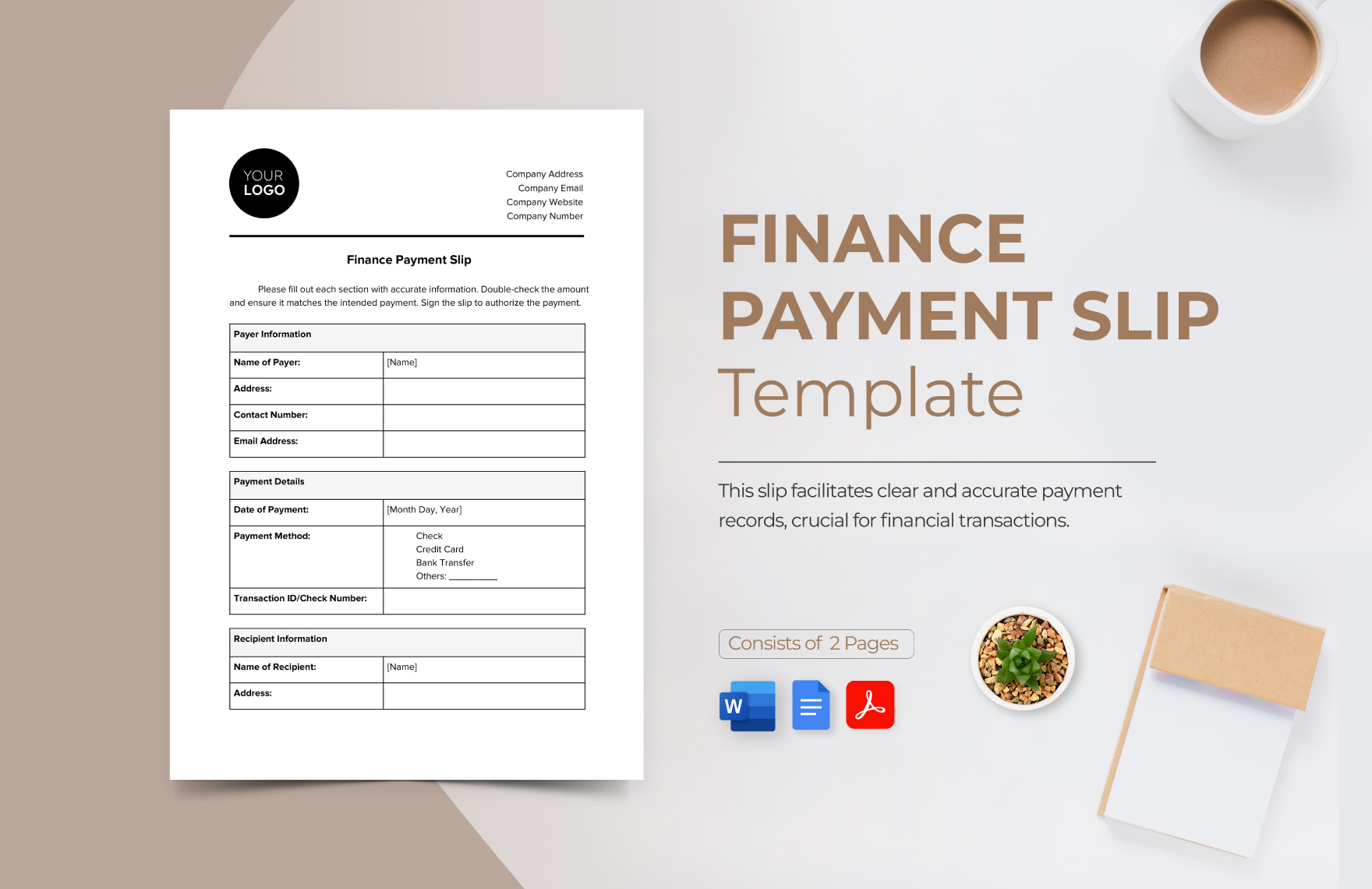
Understanding the Purpose of a Payment Slip
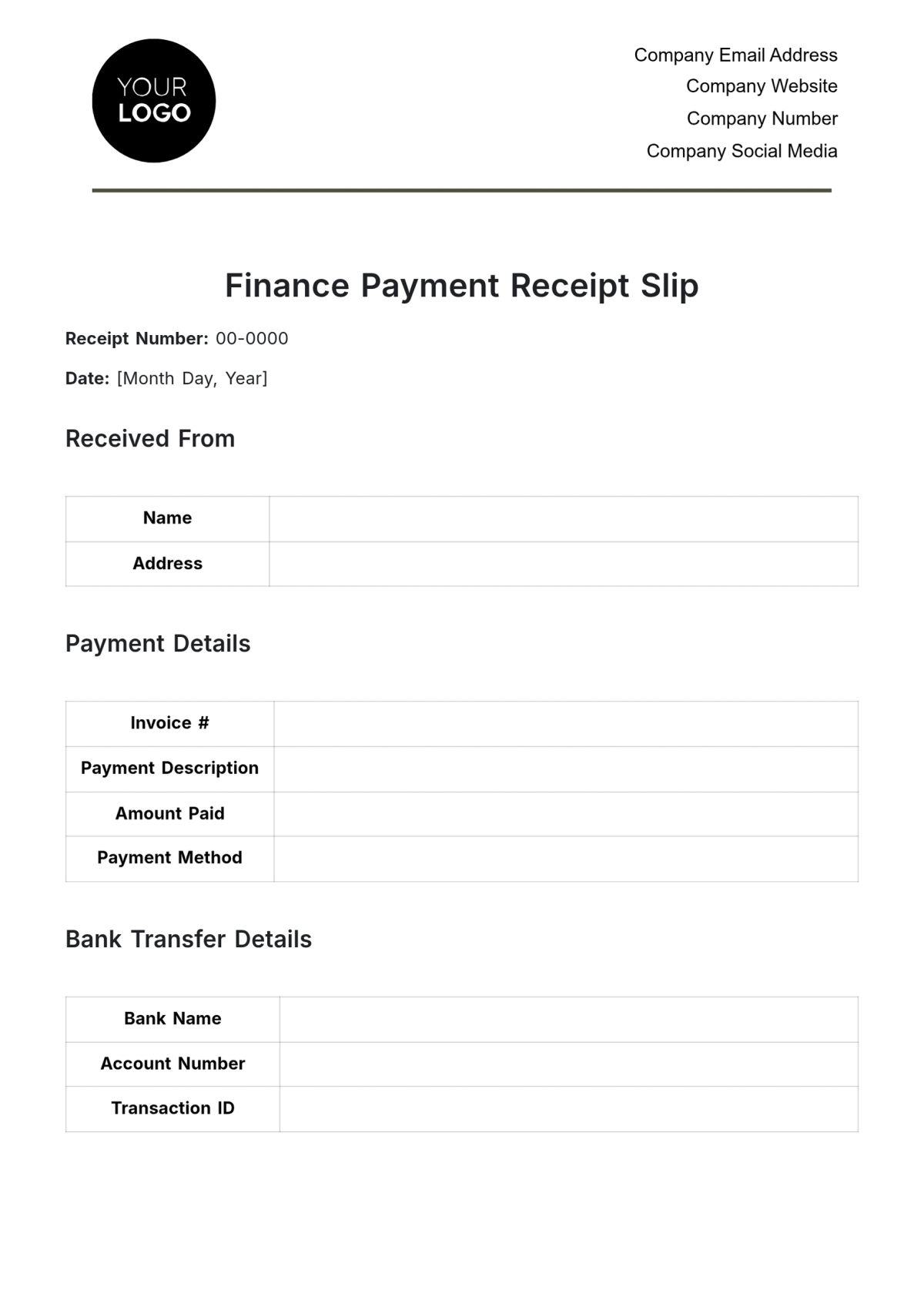
A payment slip is more than just a piece of paper; it represents a formal record of transactions. For small businesses, using a blank printable payment slip can enhance accountability and transparency. It provides a clear structure for recording payments received, which can be critical during tax season or audits. Additionally, it helps maintain a professional image with clients and suppliers, demonstrating that your business values organization.
When you use a payment slip, you can include vital information such as the date, amount, payer’s name, and the reason for payment. This clarity not only aids in your accounting but also ensures that all parties involved have a mutual understanding of the transaction.
How to Choose the Right Payment Slip Template
Selecting the right blank printable payment slip template can make a significant difference in your accounting process. Here are some factors to consider:
- Format: Look for a template that fits your needs. Most payment slips come in PDF format, which is preferable for printing. It preserves the layout and ensures that the slip appears professional.
- Design: Choose a design that aligns with your business branding. A clean, easy-to-read format is ideal, as it helps avoid confusion during transactions.
- Customization Options: Some templates allow you to add your business logo or customize fields. This personal touch can enhance your brand recognition.
Downloading and Printing Your Payment Slip
Once you’ve chosen the right blank printable payment slip, the next step is to download and print it. Here’s how to do it effectively:
- Download the Template: Click on the download link provided on the resource website. Ensure you save it to a location on your computer where you can easily find it later.
- Open the File: Use a PDF reader to open the downloaded payment slip. This format ensures that the layout remains intact when printed.
- Print Settings: Before printing, check your printer settings. A common recommendation is to use a portrait layout for payment slips, as this generally fits standard paper sizes (e.g., 8.5 x 11 inches) well. Make sure to select the best quality print option to ensure legibility.
- Test Print: It’s wise to do a test print on regular paper first. This way, you can check for any adjustments needed before using higher-quality paper or cardstock.
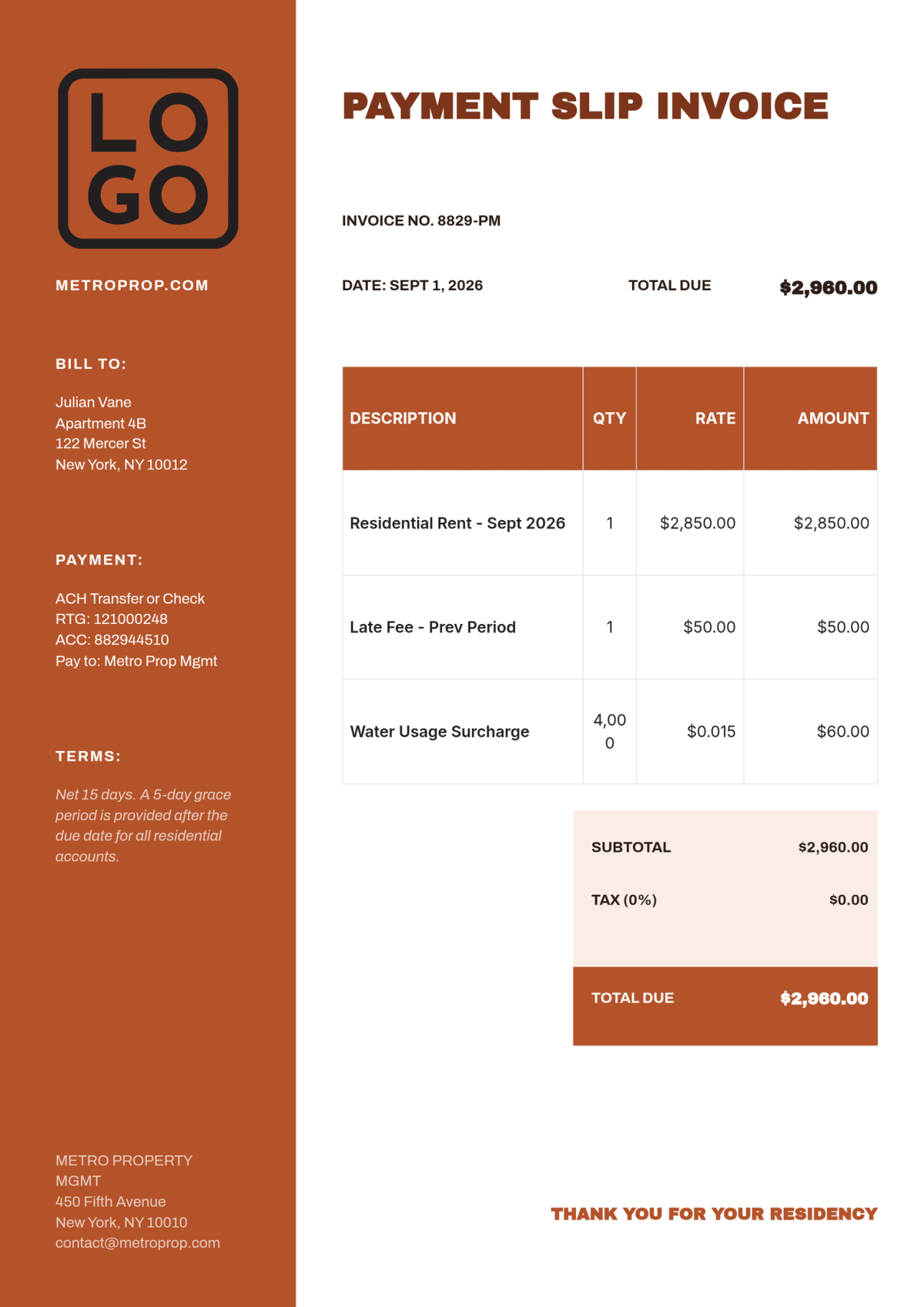
Setting Up and Using the Payment Slip
Now that you have your payment slips printed, it’s time to set them up for use. Here’s a step-by-step approach:
- Fill in the Details: When you receive a payment, fill in the necessary information on the slip. Include the date, amount, payer’s name, and the purpose of the transaction. This comprehensive approach ensures you have all the details recorded.
- Provide a Copy: Always provide a copy of the payment slip to the payer. This not only acts as a receipt for them but also serves as a reference for you.
- Organize Your Records: Store the completed payment slips in a designated folder or binder. This organization makes it easier to access records during tax preparation or audits.
Using a blank printable payment slip for accounting not only simplifies your financial processes but also enhances professionalism in your business dealings. By keeping meticulous records, you can better manage your cash flow and ensure that every transaction is accounted for.
A specific tip to consider: if your business often handles multiple transactions daily, consider keeping a stack of these payment slips in your workspace. This practice ensures you’re always prepared to document payments promptly, reducing the chance of missing important information.