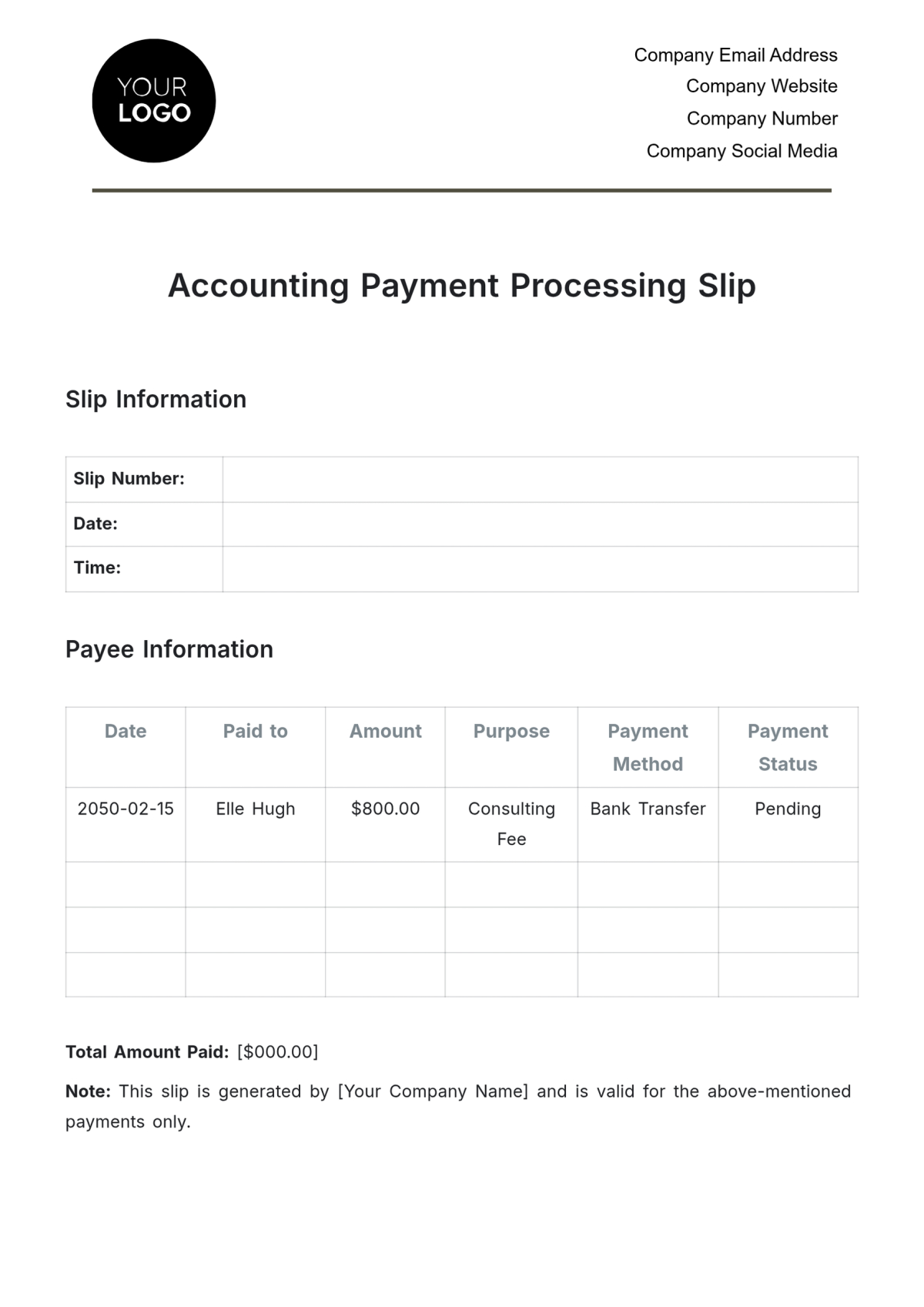
Managing finances is crucial for small-business owners, and having a reliable system in place can save time and reduce errors. A customizable printable payment slip for bookkeeping is an effective tool that can help keep your financial records organized and professional. By using this resource, you can easily track payments, issue receipts, and maintain accurate records for your business.
Benefits of Using Customizable Printable Payment Slips
Customizable printable payment slips offer various benefits that cater specifically to small-business needs. These slips are designed to simplify the payment process and enhance your bookkeeping efforts. Here are some key advantages:
- Professional Appearance: Using a well-designed payment slip lends credibility to your business. It shows clients that you take their transactions seriously.
- Easy Customization: Many templates allow you to personalize details, including your business name, logo, and payment terms. This ensures that your slips align with your brand identity.
- Efficient Tracking: By issuing payment slips, you create a paper trail that makes tracking payments easier, which is essential during tax season.
- Time-Saving: Instead of creating slips from scratch each time, having a template allows you to fill in the details quickly, saving valuable time.
Choosing the Right Template
When selecting a customizable printable payment slip for bookkeeping, consider the following factors:
Format and Size
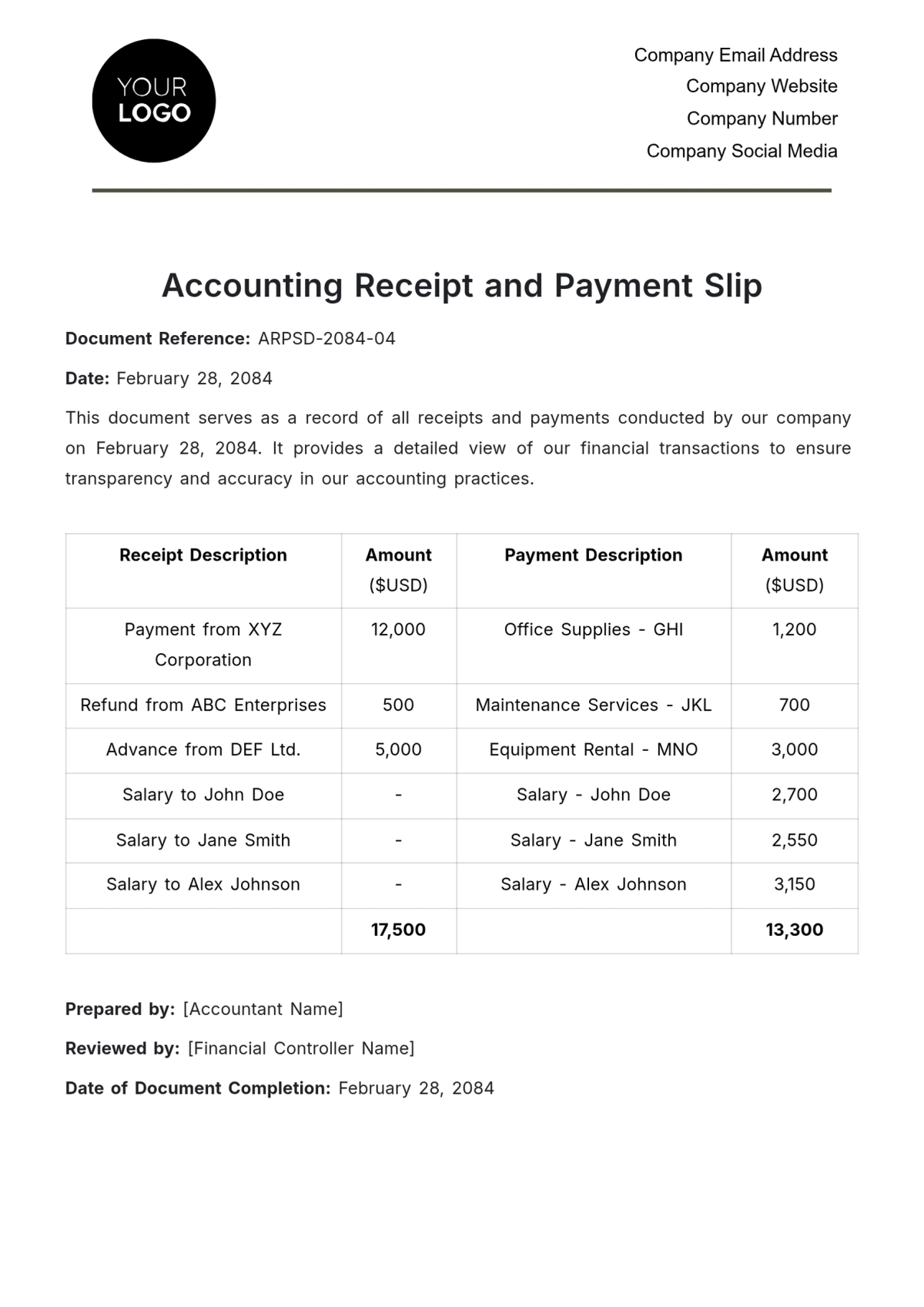
Payment slips typically come in various formats, including PDF and Word. The PDF format is often preferred because it maintains formatting regardless of the printer used. Most slips are designed for standard paper sizes, such as Letter (8.5″ x 11″) or A4. Ensure that your printer can handle the chosen size to avoid printing issues.
Customization Options
Look for templates that allow for easy customization. You should be able to add your business logo, contact information, and specific payment terms. Some templates even allow for additional fields, such as service descriptions or payment methods.
Clarity and Design
The design of your payment slip should be clean and easy to read. A cluttered slip can confuse clients and lead to payment errors. Opt for a design that balances aesthetics with functionality, ensuring all necessary information is clearly presented.
Printing and Using Your Payment Slips
Once you’ve chosen and customized your payment slip, it’s time to print and use it effectively. Here are some practical tips:
Paper Quality
Using high-quality paper can make a difference in how professional your payment slips appear. Cardstock is often recommended, especially if you plan to laminate them for durability. For regular use, a heavier weight paper (around 24 lb) can give a more substantial feel.
Printer Settings
Adjust your printer settings to ensure the best quality print. For most home printers, selecting a portrait layout works best for payment slips. Also, ensure that the print quality is set to high resolution to capture any details in your design.
Distribution
When issuing payment slips, consider how you will deliver them to clients. Whether handing them out in person, mailing them, or sending them as email attachments, make sure they reach your clients promptly. Keeping a record of issued slips can help track outstanding payments.
Maintaining Records for Bookkeeping
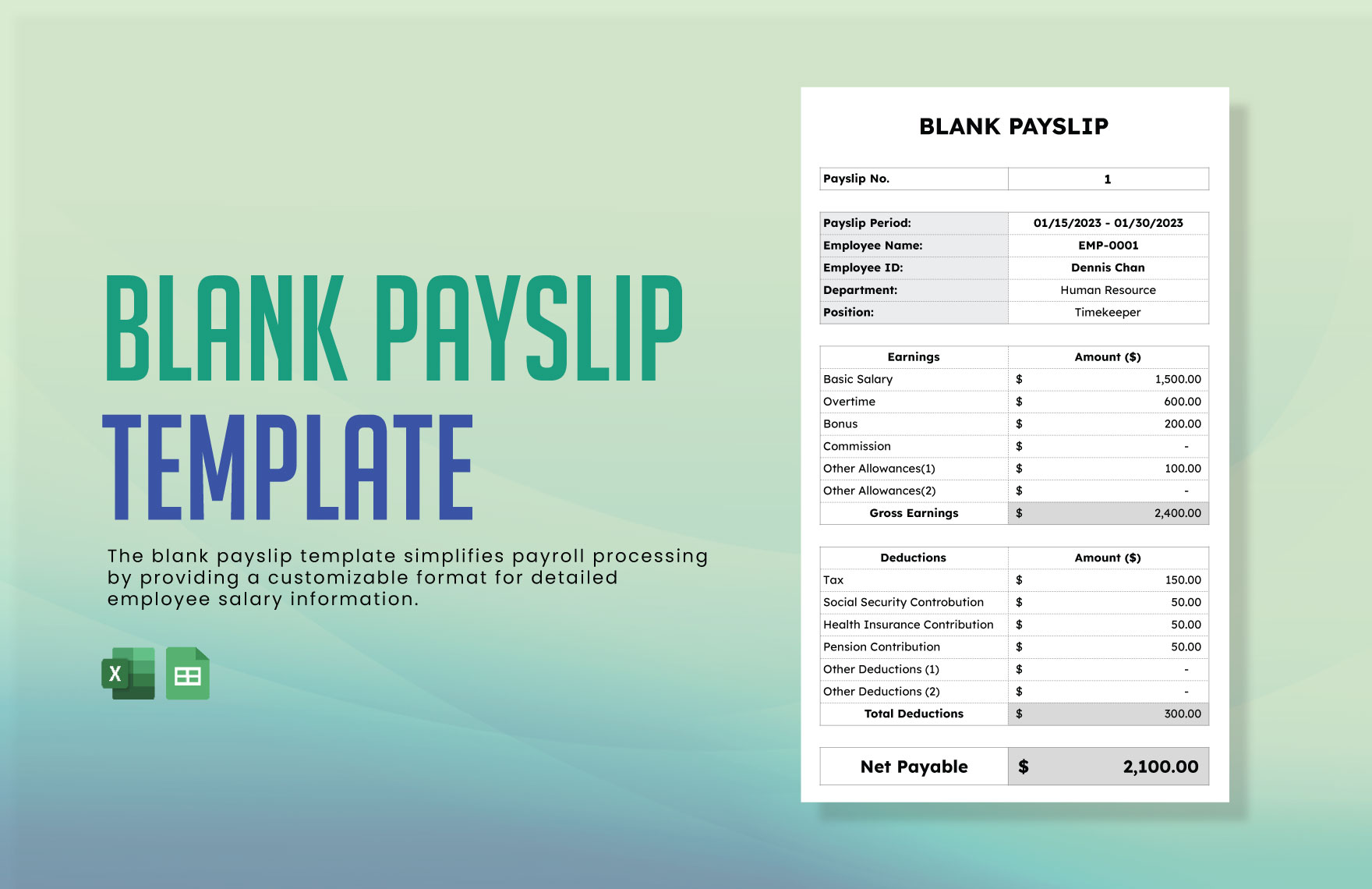
After issuing payment slips, it’s essential to keep thorough records for your bookkeeping. Here are some strategies:
- Digital Record Keeping: Scan or save copies of issued payment slips to maintain a digital record. This can be particularly useful for tax purposes and audits.
- Organize by Date: Create a system for organizing slips either chronologically or by client. This makes it easier to track payments and follow up on outstanding accounts.
- Regular Reviews: Schedule regular reviews of your payment records to ensure everything is up to date. This practice can help identify discrepancies early and maintain accurate financial records.
Incorporating a customizable printable payment slip for bookkeeping into your business operations can streamline your financial practices and improve overall efficiency. By taking the time to select the right template and maintain accurate records, small-business owners can focus more on growth and customer satisfaction while ensuring their financial processes run smoothly.