Creating a reliable pay slip printable form for business records is essential for small business owners who want to maintain accurate payroll information and ensure compliance with labor regulations. guide you through understanding the necessary components of a pay slip, how to prepare the document, and tips for effective usage.
Understanding the Purpose of a Pay Slip
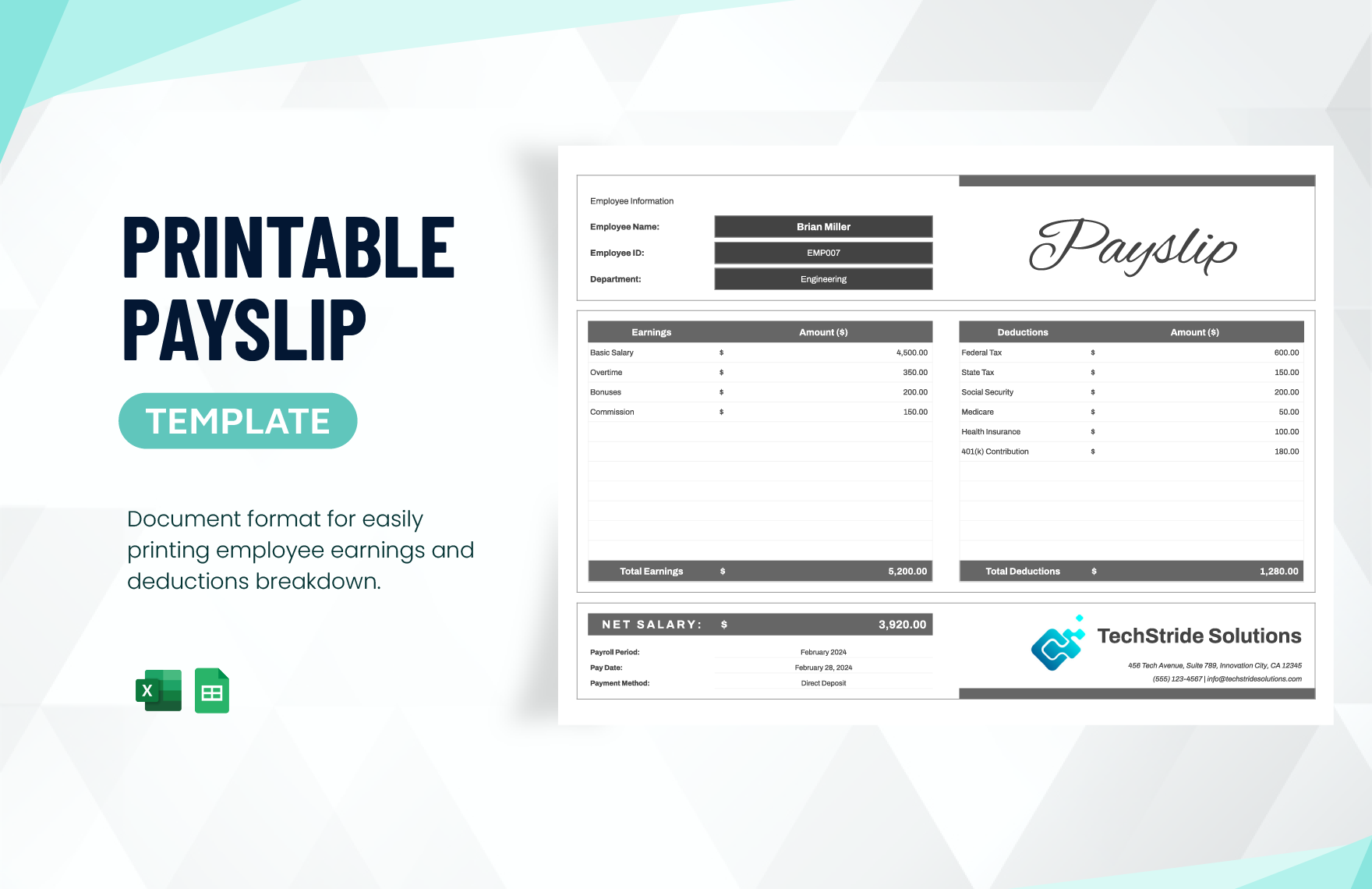
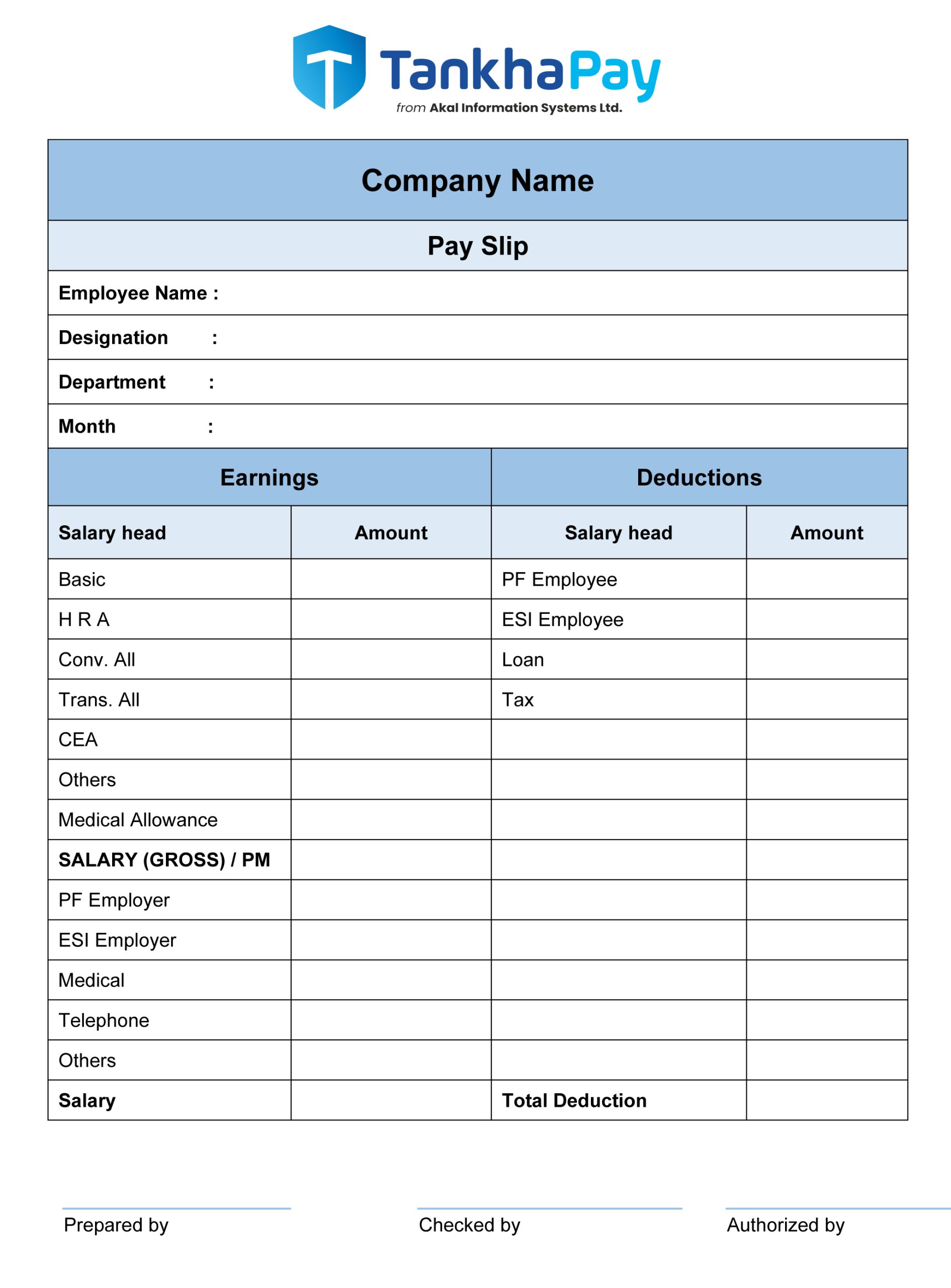
A pay slip serves as a detailed record of an employee’s earnings for a specific pay period. It typically includes vital information such as gross pay, deductions, and net pay. Having a well-structured pay slip printable form helps maintain transparency with employees regarding their compensation and ensures that both the employer and employee have a clear understanding of the financial transaction.
Additionally, pay slips are essential for business records, as they provide proof of payments made, which can be vital during audits or when resolving disputes. By utilizing a printable pay slip, small business owners can streamline their payroll processes and keep their records organized.
Key Components of a Pay Slip Printable Form
When creating or selecting a pay slip printable form, certain fields should be included to ensure it meets all necessary requirements. Here’s a breakdown of the critical components to include:
- Employee Information: This should contain the employee’s name, address, and employee identification number. Accurate identification helps avoid confusion and errors.
- Employer Information: Include your business name, address, and contact details. This establishes the source of the payment and assists in record-keeping.
- Pay Period: Clearly state the start and end dates of the pay period. This helps employees understand the timeframe for which they are being compensated.
- Gross Pay: This is the total earnings before any deductions. It includes wages, bonuses, and any other forms of compensation.
- Deductions: List all deductions from the gross pay, such as taxes, health insurance, retirement contributions, and any other relevant withholdings. Transparency in deductions promotes trust between employer and employee.
- Net Pay: This is the amount the employee takes home after all deductions have been applied. It should be clearly highlighted to avoid confusion.
- Payment Date: Indicate the date on which the payment is issued. This helps employees track when they can expect to receive their pay.
- Notes/Comments Section: Providing space for additional notes can be helpful. Employers can use this to include any relevant information, such as changes in pay rate or reminders regarding benefits.
Preparing to Fill Out the Pay Slip
Before using a pay slip printable form, it’s essential to gather all necessary information to ensure accuracy. Here are some steps to prepare:
- Collect Employee Data: Ensure that all employee information is up to date, including addresses and identification numbers.
- Calculate Gross Pay: Determine the gross pay for each employee based on hours worked, overtime, and any bonuses.
- Determine Deductions: Consult your payroll records to identify all applicable deductions. This may involve checking tax rates and benefits.
- Choose the Right Format: Decide whether to use a digital template or print a physical form. If using a digital version, ensure it is in a user-friendly format like PDF to avoid formatting issues.
- Select Printing Options: If printing, use standard letter-sized paper (8.5 x 11 inches) for easy handling and storage. Ensure that your printer settings are adjusted for the best quality.
Best Practices for Using Pay Slip Printable Forms
To maximize the benefits of using a pay slip printable form, consider the following best practices:
- Regular Updates: Review and update your pay slip template regularly to reflect any changes in tax laws or company policies. This ensures compliance and accuracy.
- Secure Storage: Maintain secure records of all pay slips issued. Consider using both digital and physical storage solutions to prevent loss.
- Educate Employees: Make sure employees understand how to read their pay slips. This can reduce confusion and inquiries about pay details.
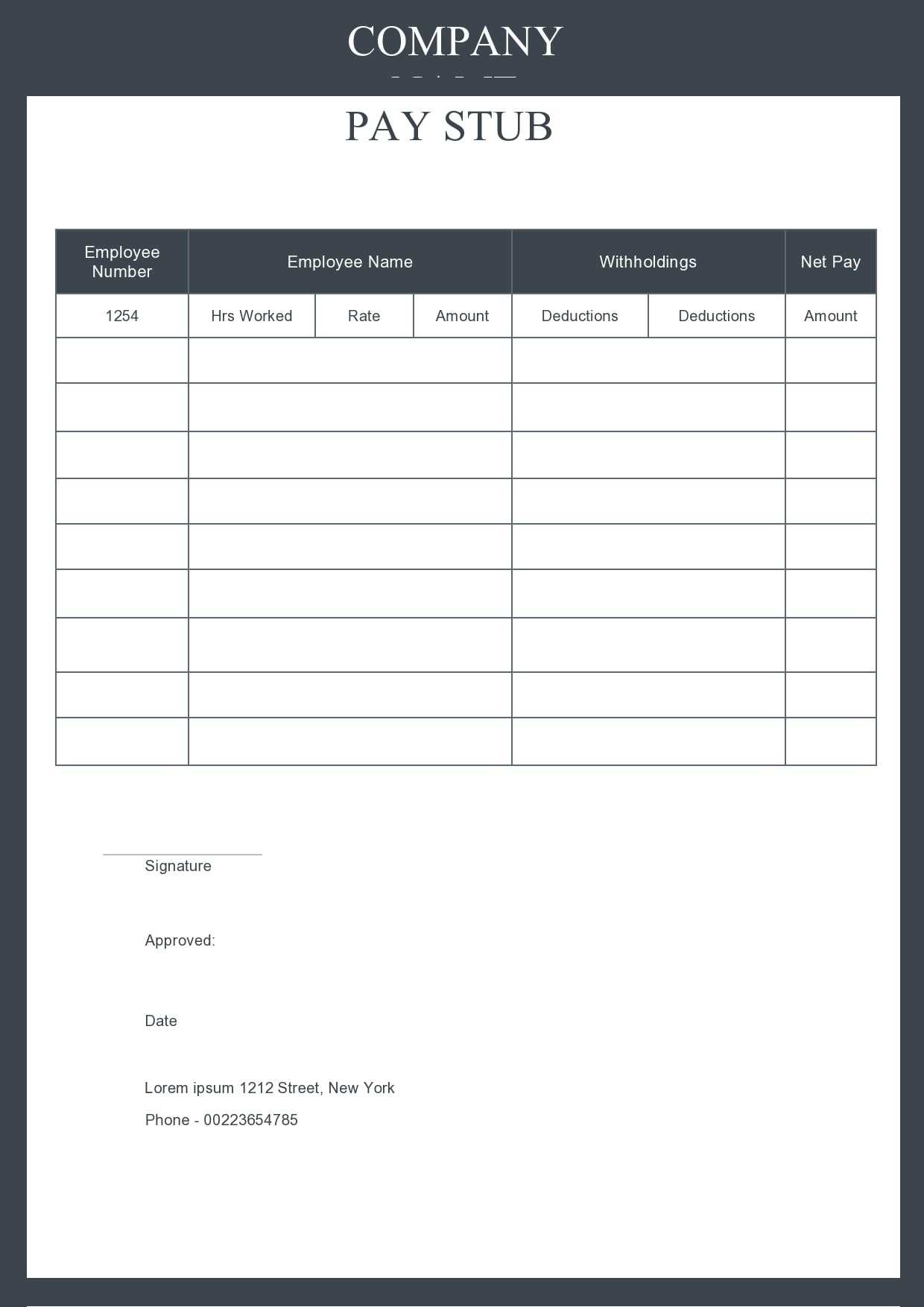
- Use Consistent Formatting: Consistency in the layout and format of pay slips enhances professionalism and makes it easier for employees to find information.
- Consider Digital Options: If feasible, consider providing pay slips electronically. This can save paper and streamline the distribution process. Ensure that employees have secure access to their documents.
By following these guidelines, small business owners can effectively utilize a pay slip printable form for business records, ensuring accurate payroll management and enhancing employee trust.
As a practical tip, always keep a backup of your pay slip records, whether in digital or physical form, to avoid any potential issues during audits or employee inquiries.