Creating an effective payment slip is crucial for maintaining a professional image in any small business. A Professional Printable Payment Slip Format typically measures 8.5 x 11 inches, fitting standard printer paper, making it easy to print at home or in the office. This format provides a structured layout that ensures clarity and organization, which are essential for financial transactions.
Key Components of a Payment Slip
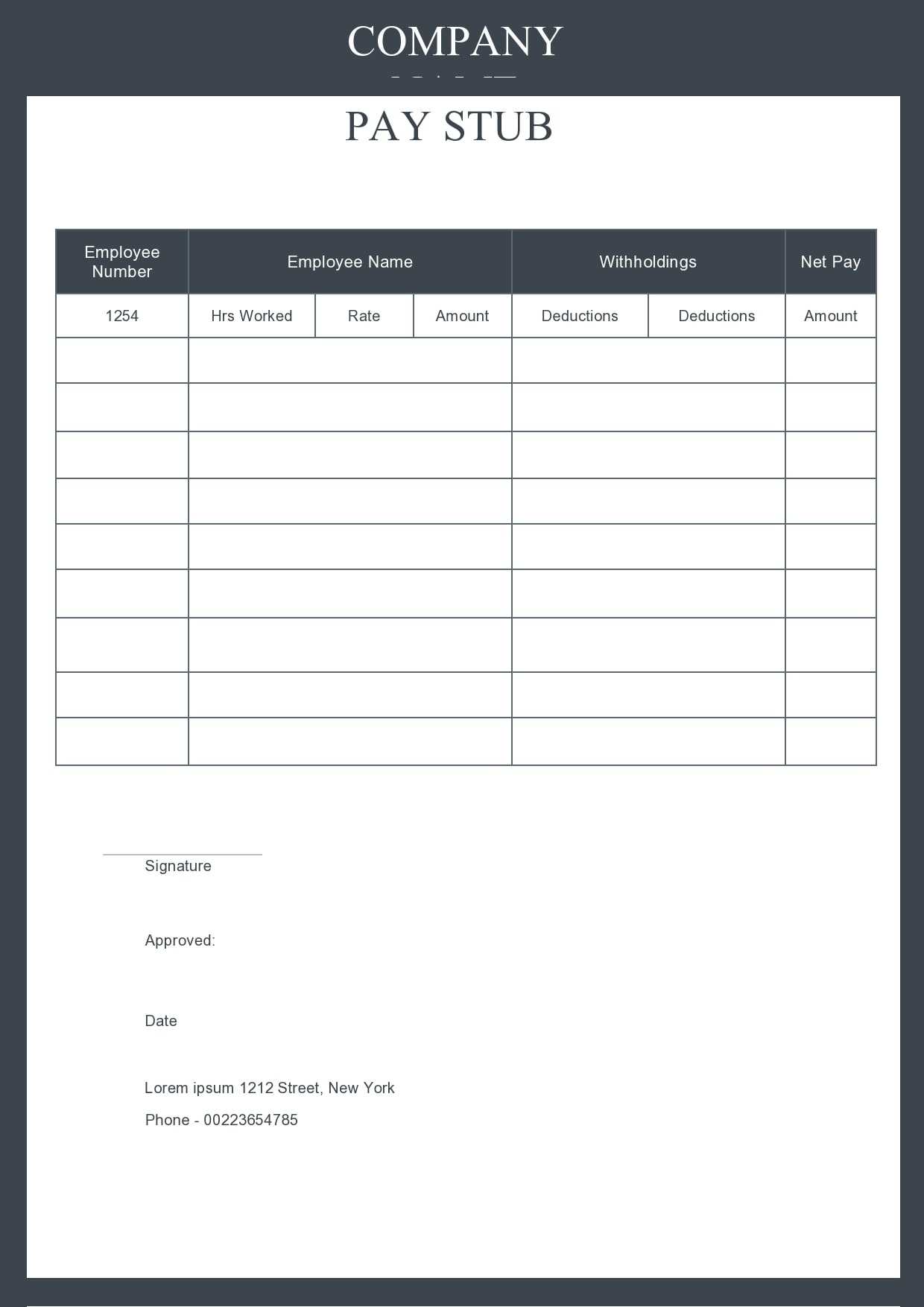
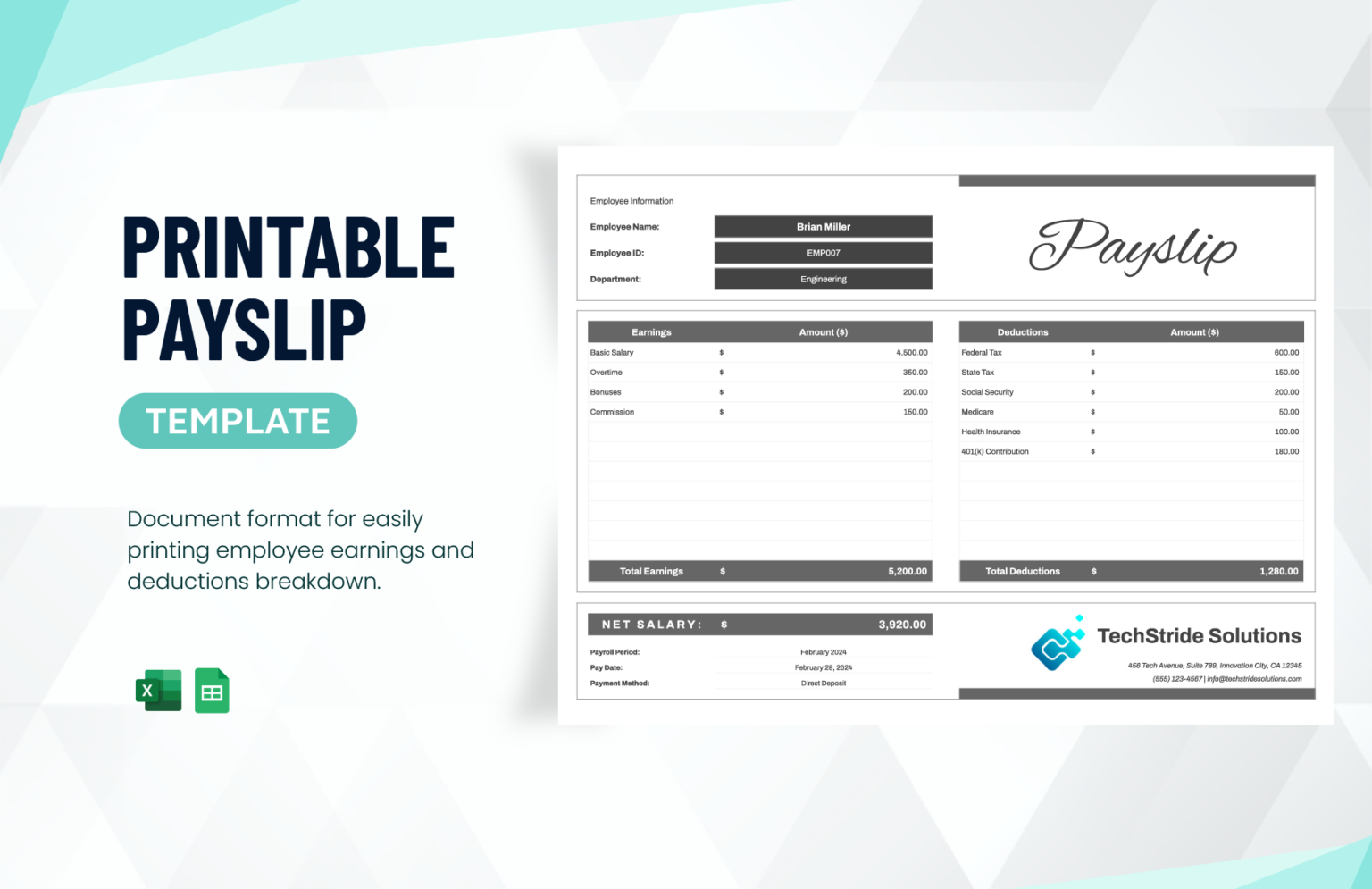
When choosing a payment slip, it’s important to understand its components. A standard payment slip often includes:
- Business Name and Logo: This identifies who the payment is going to, reinforcing your brand.
- Payment Date: A clear date helps both parties keep track of when the transaction occurred.
- Invoice Number: This unique identifier allows for easy reference and record-keeping.
- Payer Information: Details such as the payer’s name and contact information ensure that you know who is making the payment.
- Payment Amount: Clearly stating how much is due is vital to prevent confusion.
- Payment Method: Indicating whether the payment is made via cash, check, or electronic transfer helps in bookkeeping.
- Signature Line: A designated area for signature adds a level of formality and acknowledgment to the transaction.
Each of these elements plays a role in how the payment slip functions. Including all necessary information helps streamline the payment process and minimizes the risk of errors.
Layout and Design Considerations
The layout of your payment slip is not just about aesthetics; it also affects usability. A well-designed payment slip should have a clean, organized structure that allows for easy filling out. Here are some design tips:
- Use Clear Fonts: Choose fonts that are easy to read at a glance. This is especially important for numerical values.
- Logical Flow: Arrange sections in a logical order. Typically, payer information appears at the top, followed by payment details, and finally, the signature line.
- Color Choices: While you want to maintain a professional appearance, a splash of color can make your slips visually appealing. Stick to your brand colors for consistency.
- Space for Notes: Including a small section for notes or additional instructions can be helpful for specific transactions.
A well-structured layout can enhance the efficiency of your payment process, ensuring that both you and your clients understand the transaction at a glance.
Printable Formats and Customization Options
When looking for a Professional Printable Payment Slip Format, consider the file types available for download. Common formats include:
- PDF: This format is preferred for printing as it retains the design across devices, preventing reformatting issues.
- Word Document: This allows for easy editing and customization, enabling you to adjust fields according to your business needs.
- Excel Spreadsheet: If you require a more dynamic slip that can calculate totals or include formulas, an Excel format may be ideal.
Customization is key when using a payment slip. Ensure that the template allows for easy alterations, whether it’s changing your business logo or adjusting fields to suit different types of transactions.
Practical Applications of Payment Slips
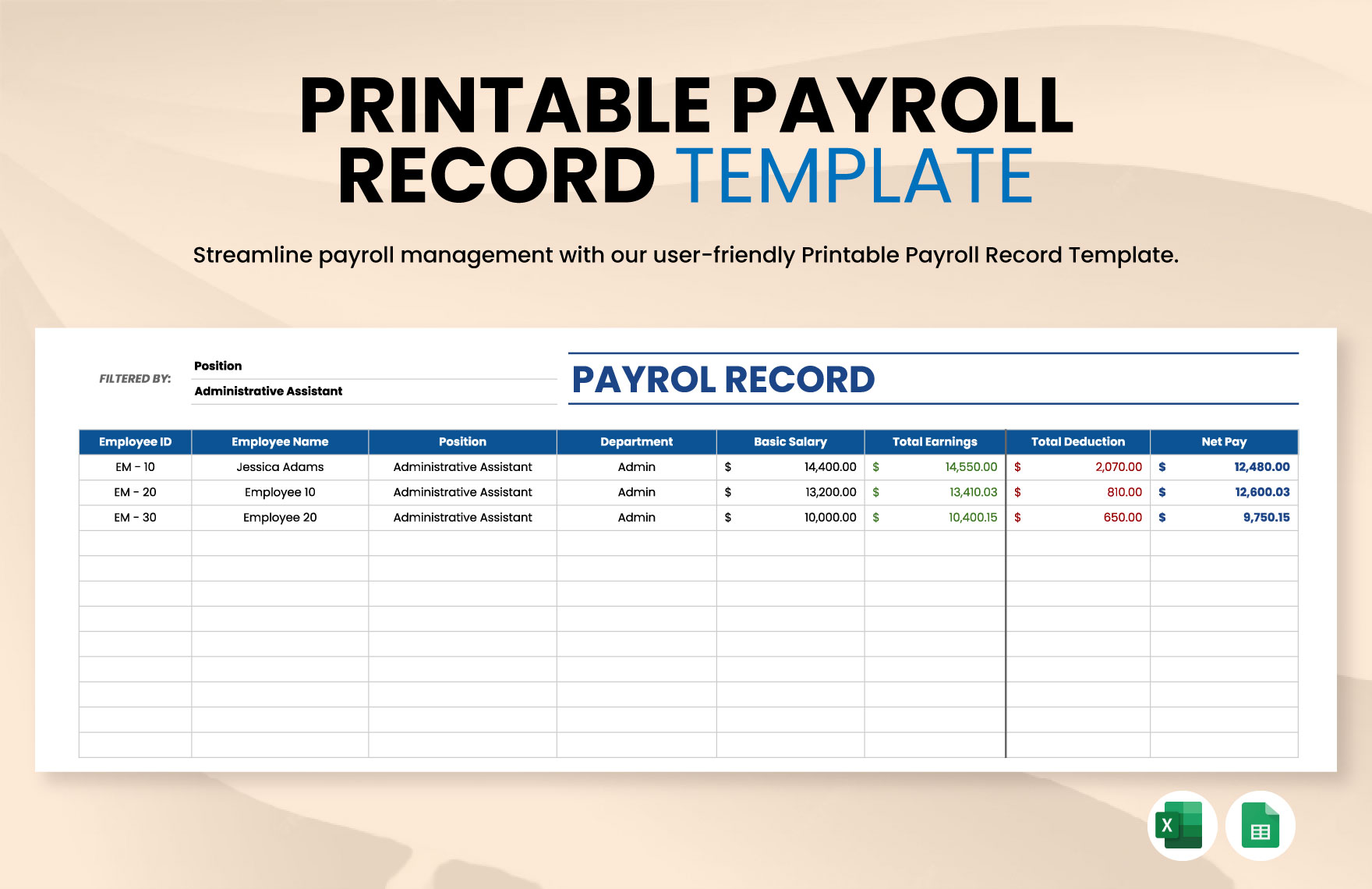
Using a Professional Printable Payment Slip Format can streamline various business functions. Here are some practical scenarios where a payment slip is beneficial:
- Retail Transactions: Providing a payment slip with every purchase helps customers keep track of their expenses.
- Service-Based Businesses: For freelancers or contractors, issuing payment slips can clarify payment terms and conditions.
- Event Registrations: If hosting events, payment slips can manage ticket sales and registrations efficiently.
By integrating payment slips into these scenarios, businesses can enhance their professionalism and improve customer trust.
The most useful detail to consider when selecting a payment slip format is the ability to customize it to meet your specific needs. This ensures that your slips not only reflect your brand but also cater to the unique aspects of your business transactions.