Maintaining accurate payroll records is crucial for any small business. A Salary Slip Printable Template For Office Records is a practical tool that simplifies this process, allowing business owners to keep track of employee salaries, deductions, and other essential payment details. This guide will explore the layout, sections, and customization options of this resource, making it easier to implement in your office routine.
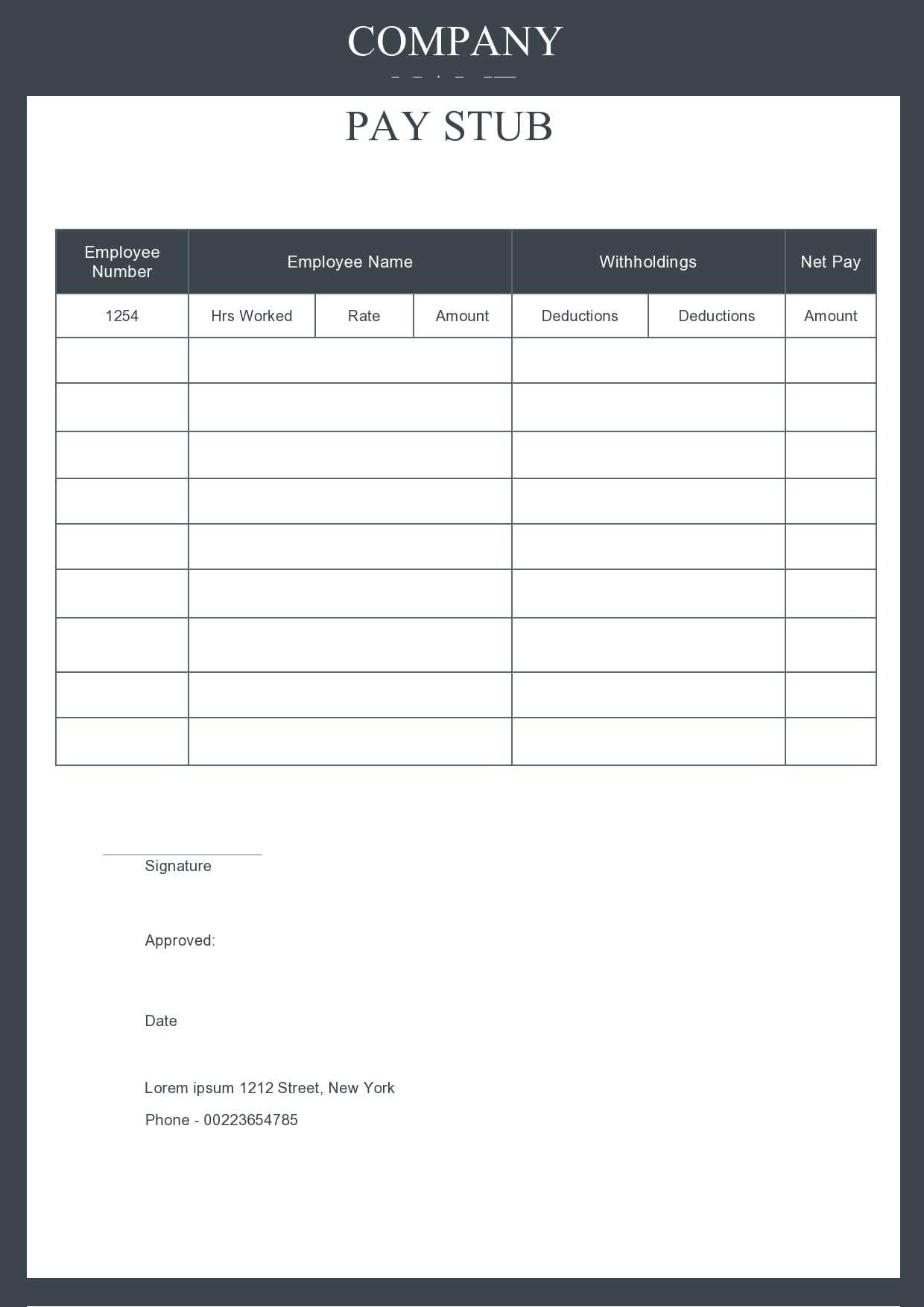
Understanding the Layout of the Salary Slip Template
A well-designed salary slip template typically consists of several key sections. Each part serves a specific purpose and ensures that all necessary information is clearly communicated.
Key Sections Included
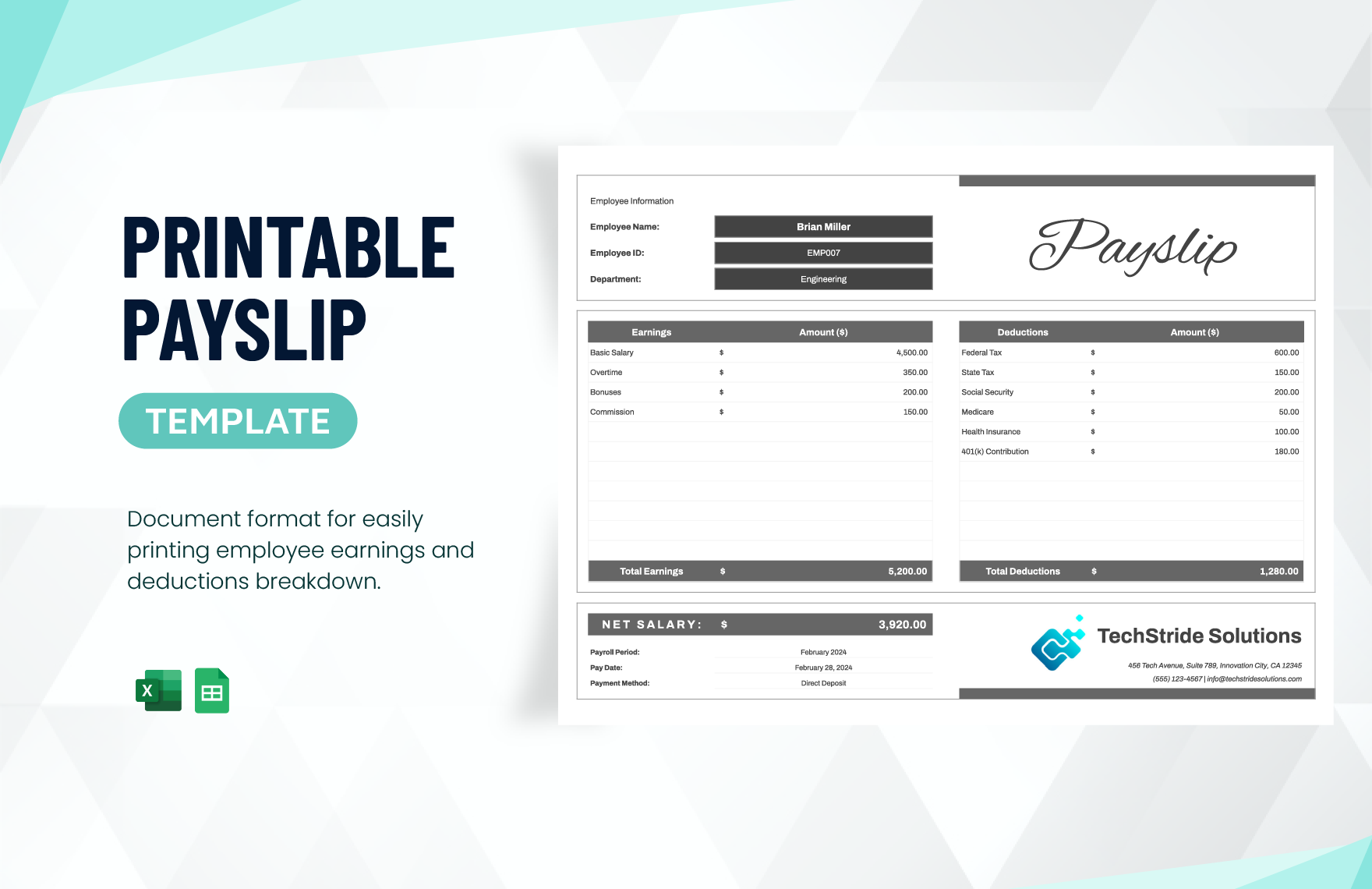
- Employee Information: This section includes fields for the employee’s name, designation, and employee ID. It’s essential for identifying who the slip belongs to and can help prevent confusion during filing or audits.
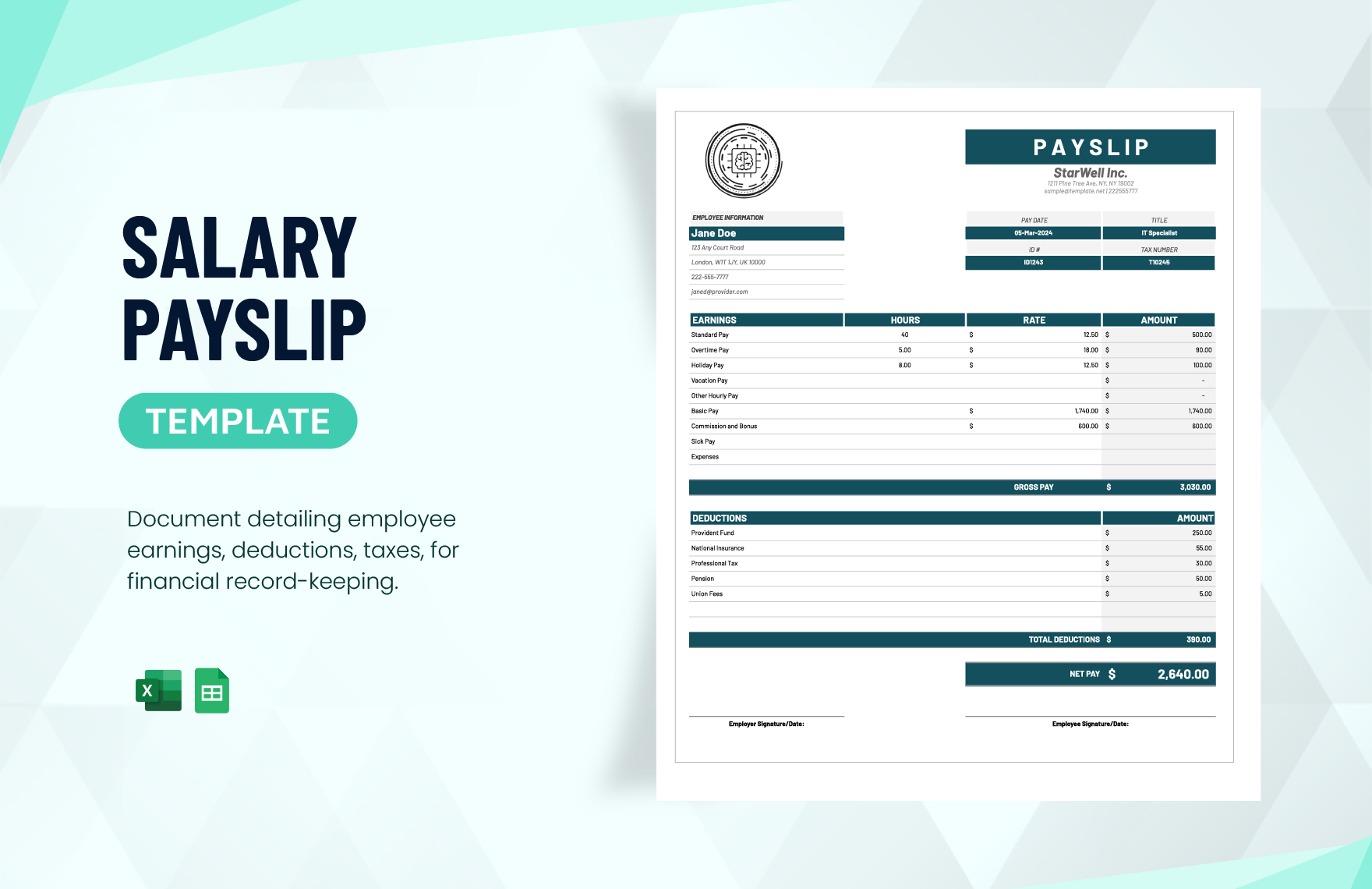
- Salary Details: Here, the template outlines the gross salary, deductions, and net pay. The gross salary is the total earnings before any deductions, while the net pay is the amount the employee takes home.
- Deductions: This section details any withholdings, such as taxes, insurance premiums, or retirement contributions. Clearly listing deductions helps employees understand their pay breakdown and ensures transparency.
- Company Information: Including the company name, logo, and contact information adds a professional touch. This is especially useful if employees need to reach out for clarification about their pay.
- Payment Period: The template should specify the pay period covered by the slip, whether it’s weekly, bi-weekly, or monthly. This clarity is vital for both payroll administration and employee reference.
Customizing Your Salary Slip Printable Template
One of the significant advantages of using a printable template is its customizability. Here’s how to adapt the template to fit your business needs:
Personalization Options
- Company Branding: Add your company logo and use your brand colors to create a cohesive look. This small detail can enhance professionalism and help employees feel a stronger connection to your organization.
- Field Adjustments: Depending on your payroll structure, you may need to add or remove specific fields. For example, if your business offers additional benefits, such as bonuses or commissions, make sure to include those in the salary details.
- Language and Tone: Adjust the language to match your company culture. Whether you prefer formal or casual wording, ensure that the tone aligns with your brand identity.
Downloading and Printing
When it comes to practical use, downloading and printing the salary slip template is straightforward. Most templates are available in PDF format, which preserves formatting and ensures compatibility with various printers.
- Paper Size: Standard letter size (8.5 x 11 inches) is commonly used for salary slips. This size is compatible with most office printers and can easily fit into standard envelopes for distribution.
- Print Settings: Use portrait orientation for the best results, as this layout generally accommodates the template’s design without compromising any details. If you plan to laminate the slips for durability, consider using cardstock, which holds up well over time.
Integrating Salary Slips Into Your Payroll Process
Implementing a structured payroll process enhances efficiency and accuracy. The salary slip can serve as a crucial part of this system. Here’s how to effectively integrate it:
Steps for Integration
- Regular Updates: Ensure that the template is updated regularly to reflect any changes in salary, benefits, or deductions. This is especially important during tax season or when new benefits are introduced.
- Distribution Method: Decide how you will distribute the salary slips. Options include physical delivery, email, or a secure employee portal. Each method has its advantages, so choose one that aligns with your business operations.
- Record Keeping: Maintain copies of issued salary slips for your records. This practice is essential for tax reporting and can be helpful during audits. Digital copies can be stored securely in a cloud service for easy access and backup.
- Employee Training: Educate employees on how to read their salary slips. Ensuring they understand the details can lead to fewer inquiries and promote transparency within the workplace.
Keeping Your Salary Slip Template Up to Date
Staying compliant with labor laws and regulations is paramount for any business. Regularly review your salary slip template to ensure it meets current legal requirements.
Compliance Considerations
- State and Federal Taxes: Be aware of any changes in tax laws that may affect deductions. Keeping your template updated ensures that you’re withholding the correct amounts.
- Labor Regulations: Familiarize yourself with any new labor laws that might require additional information on salary slips. For example, some states mandate that employers include certain benefits or information about employee rights.
- Feedback Loop: Encourage employees to provide feedback on the clarity and usefulness of their salary slips. This input can help you make necessary adjustments to improve the template.
Using a Salary Slip Printable Template For Office Records can streamline your payroll management process, ensuring that your documentation is accurate and professional. By customizing the template to fit your company’s needs and integrating it effectively into your payroll routine, you enhance transparency and efficiency, ultimately benefiting both your business and your employees.