A Simple Printable Cash Receipt Slip Form is an essential tool for small business owners who need to document cash transactions clearly and efficiently. This form typically features a straightforward layout that allows for easy filling and quick reference. Understanding the sections and fields within this receipt slip will help ensure accurate record-keeping and streamline your accounting processes.
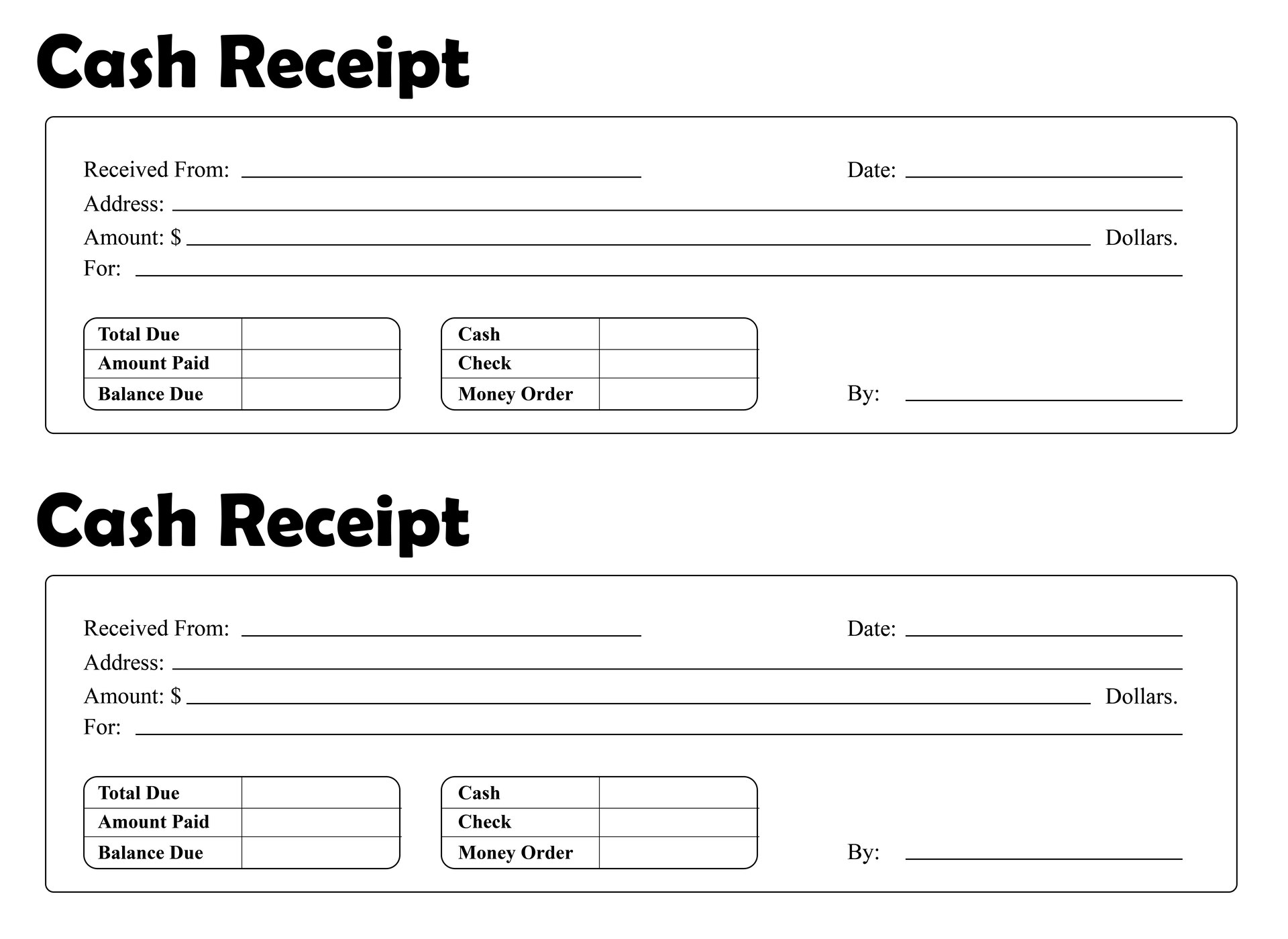
Understanding the Layout of the Cash Receipt Slip Form
The layout of a cash receipt slip form is designed for simplicity and clarity. Most forms come in a standard 8.5 x 11-inch size, making them easy to print at home or in the office. The form usually includes a header section, body fields for transaction details, and a footer for signatures or notes.
Key Sections of the Form
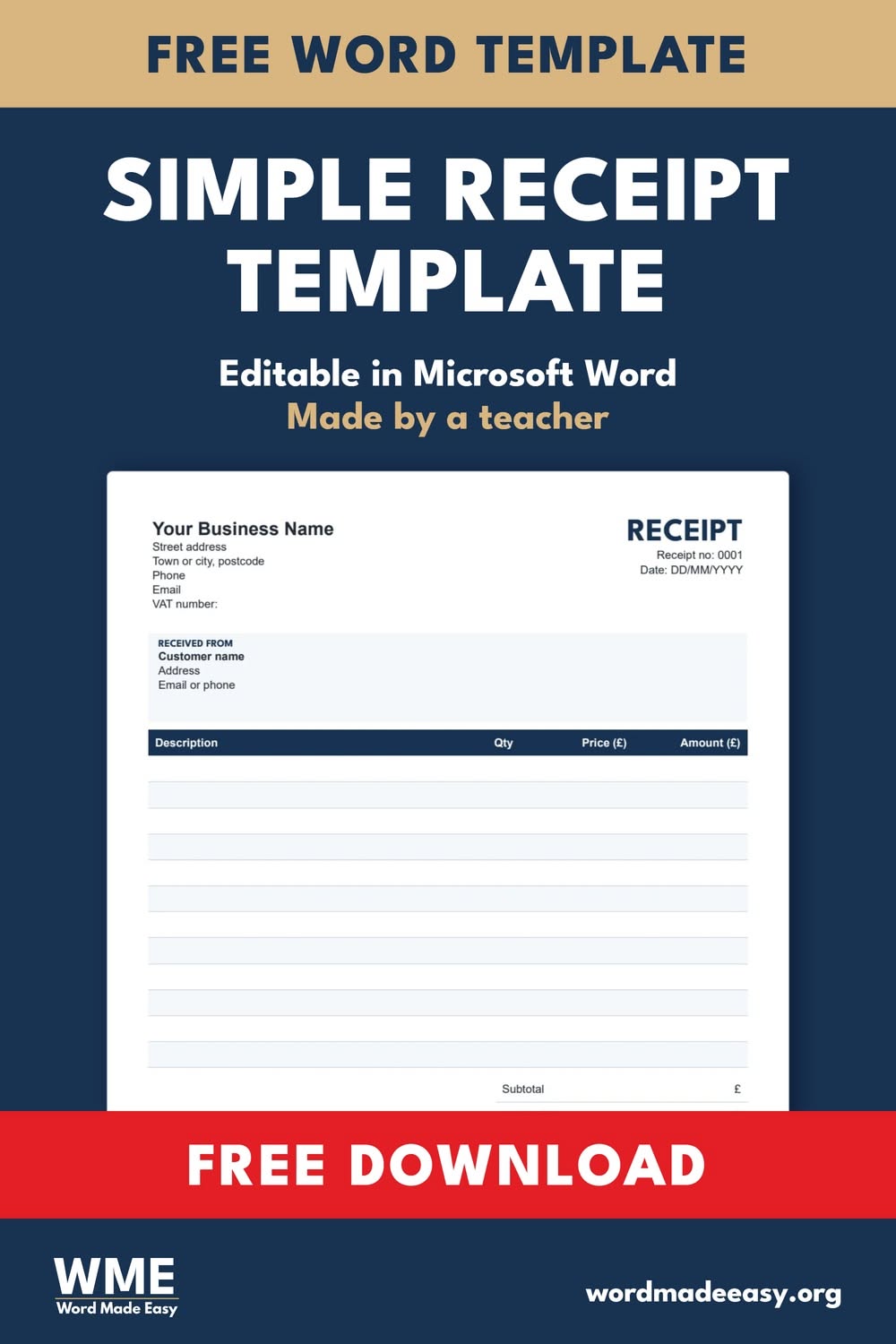
- Header: The top of the form often features your business name and logo, providing immediate identification. This area may also include the date of the transaction and a unique receipt number, both crucial for tracking purposes.
- Payer Information: This section collects details about the person or entity making the payment. Fields typically include the payer’s name, address, and contact information. Accurate information here helps in future correspondence and record verification.
- Transaction Details: The body of the form is where the specifics of the transaction are recorded. Expect fields for the amount paid, method of payment (cash, check, credit card), and a description of the goods or services rendered. This detailed breakdown is vital for both parties to ensure clarity.
- Footer: At the bottom of the form, there may be space for additional notes or terms of the sale, along with signature lines for both the payer and the recipient. This section can be helpful for both parties to confirm the transaction and address any potential disputes.
How to Properly Fill Out the Cash Receipt Slip Form
Filling out a cash receipt slip form correctly is crucial for maintaining accurate financial records. Here’s how to ensure every transaction is documented properly:
- Start with the Header: Fill in your business name and logo, if applicable. Include the date of the transaction and the receipt number to maintain a sequential record.
- Complete the Payer Information: Gather and input the payer’s details accurately. Make sure the name matches the one on the payment method to avoid confusion.
- Detail the Transaction: Enter the payment amount clearly. Specify the payment method used and provide a brief description of the transaction. For example, “Consultation fee for services rendered” can add clarity.
- Signatures: Both parties should sign the receipt. This not only confirms the transaction but also serves as a record should any disputes arise later.
Common Mistakes to Avoid
When using a Simple Printable Cash Receipt Slip Form, it’s important to avoid common pitfalls that could lead to confusion or disputes later on:
- Incomplete Information: Ensure all fields are filled out completely. Missing details can cause issues when reconciling accounts or addressing customer inquiries.
- Illegible Handwriting: If filling out the form by hand, ensure that the writing is clear. Illegibility can lead to misunderstandings about the transaction.
- Incorrect Amounts: Double-check the amount entered on the form against the payment received. Errors in this area can lead to financial discrepancies.
- Not Keeping Copies: Always retain a copy of the receipt for your records. This is essential for bookkeeping and tax purposes.
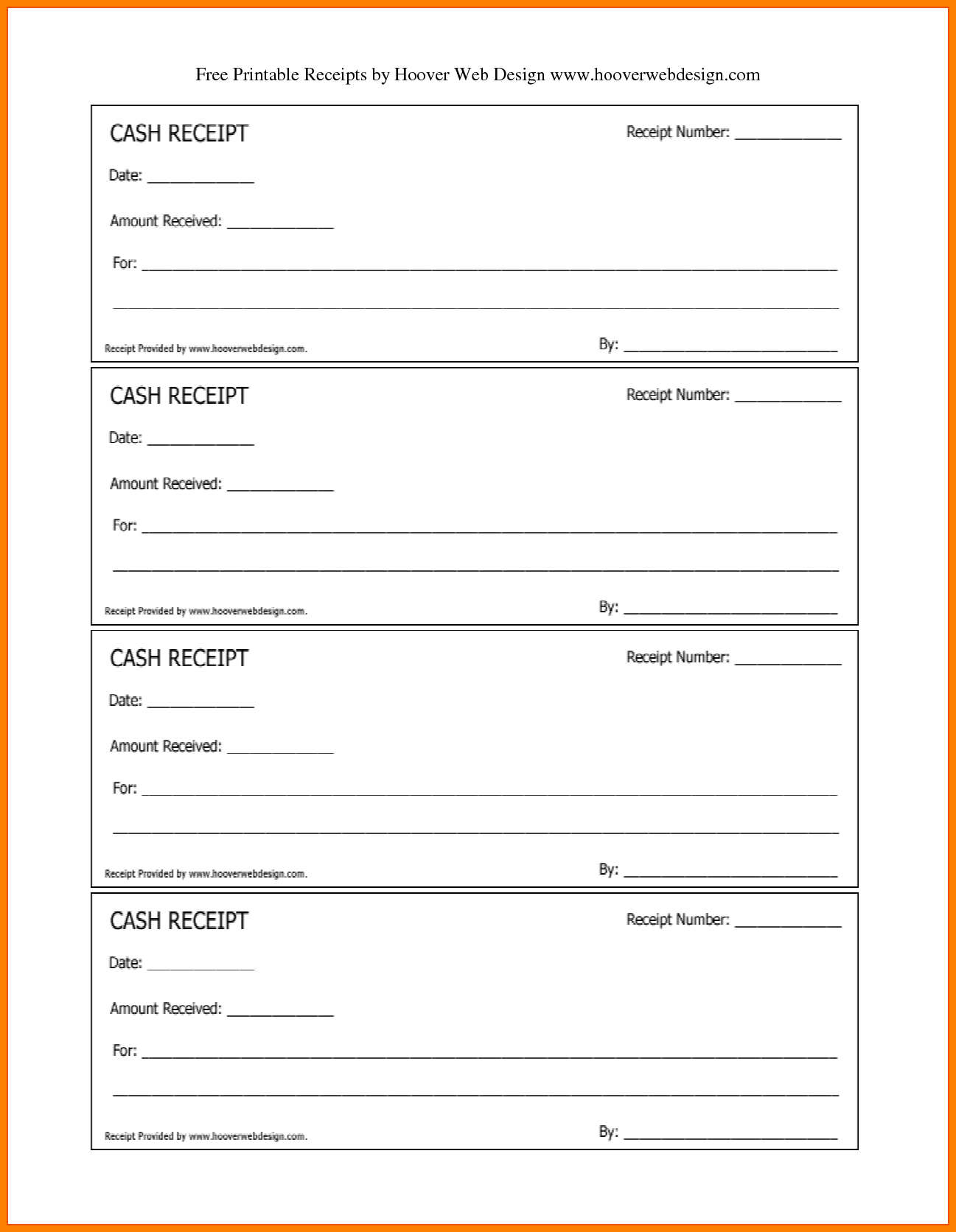
Storing and Using the Receipts
Once the Simple Printable Cash Receipt Slip Form is filled out and signed, the next step is proper storage. Here are some tips for effective management:
- Digital Copies: Consider scanning the completed receipts and storing them digitally. This ensures that even if physical copies are lost or damaged, you still have a record.
- Organized Filing: Store the hard copies in a designated folder, organized by date or transaction type. This makes it easier to locate specific receipts when needed.
- Regular Review: Periodically review your receipts to ensure all transactions are accounted for in your financial records. This practice can help identify discrepancies early.